
The “divine wind” story is one of the most famous legends in Japanese history — and it’s where the word kamikaze comes from.
In the late 1200s, the Mongol ruler Kublai Khan tried twice to invade Japan after conquering huge parts of Asia, including China and Korea.
First invasion — 1274
The Mongols sent a massive fleet across the sea toward Japan. They landed in Kyushu and fought effectively, using coordinated tactics and explosives unfamiliar to the Japanese samurai.
But then a powerful storm hit the Mongol fleet. Many ships were damaged or sunk, and the invaders withdrew.
Second invasion — 1281
Kublai Khan came back with an even bigger force — one of the largest invasion fleets in medieval history, possibly over 100,000 men.
The Japanese had prepared this time, building coastal defenses around places like Hakata Bay in Fukuoka.
The Mongol fleet lingered offshore for weeks. Then a huge typhoon struck.
The storm devastated the fleet:
- ships smashed together
- many sank
- thousands drowned
- survivors were killed or captured ashore
The Japanese believed the storm had been sent by the gods to protect Japan. They called it:
Kamikaze (神風)
Meaning:
- kami = divine/spirit/god
- kaze = wind
So literally: “divine wind.”
Centuries later, during World War II, Japan revived the term “kamikaze” for suicide pilots. The idea was symbolic: just as the divine wind once saved Japan from invasion, these pilots were expected to sacrifice themselves to protect the nation.
Modern historians think the Mongol fleets were especially vulnerable because many ships were hastily built river/coastal vessels not ideal for open-ocean typhoons. But the storms themselves were very real.
-JB
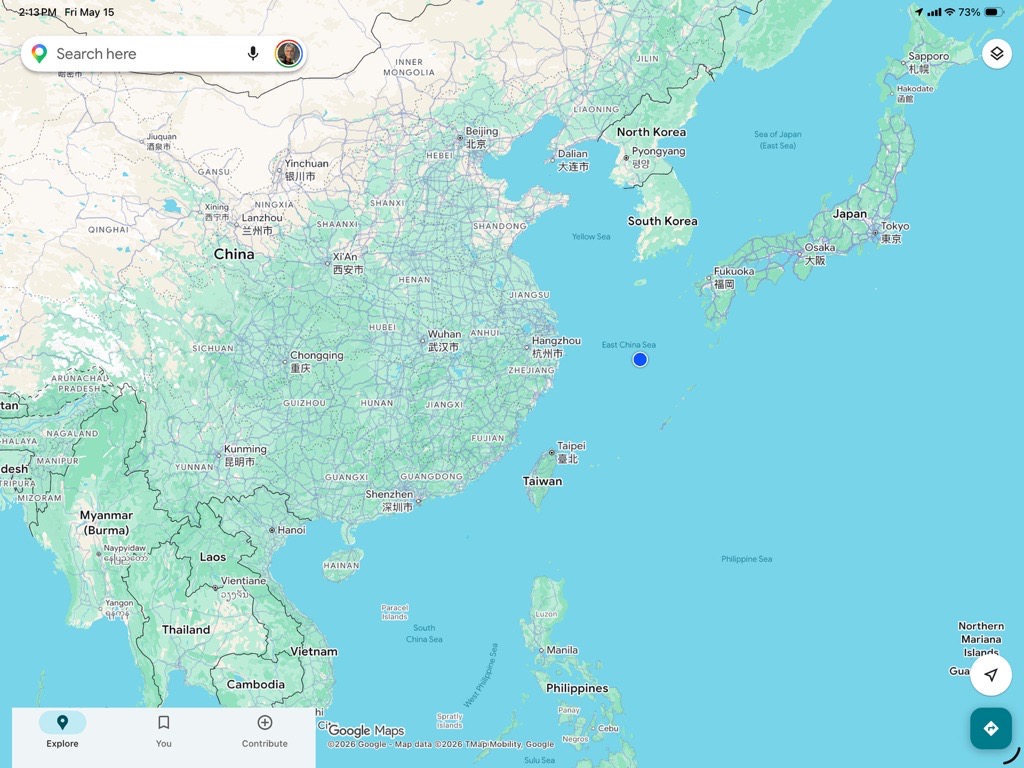
Our voyage from Hong Kong to Tokyo
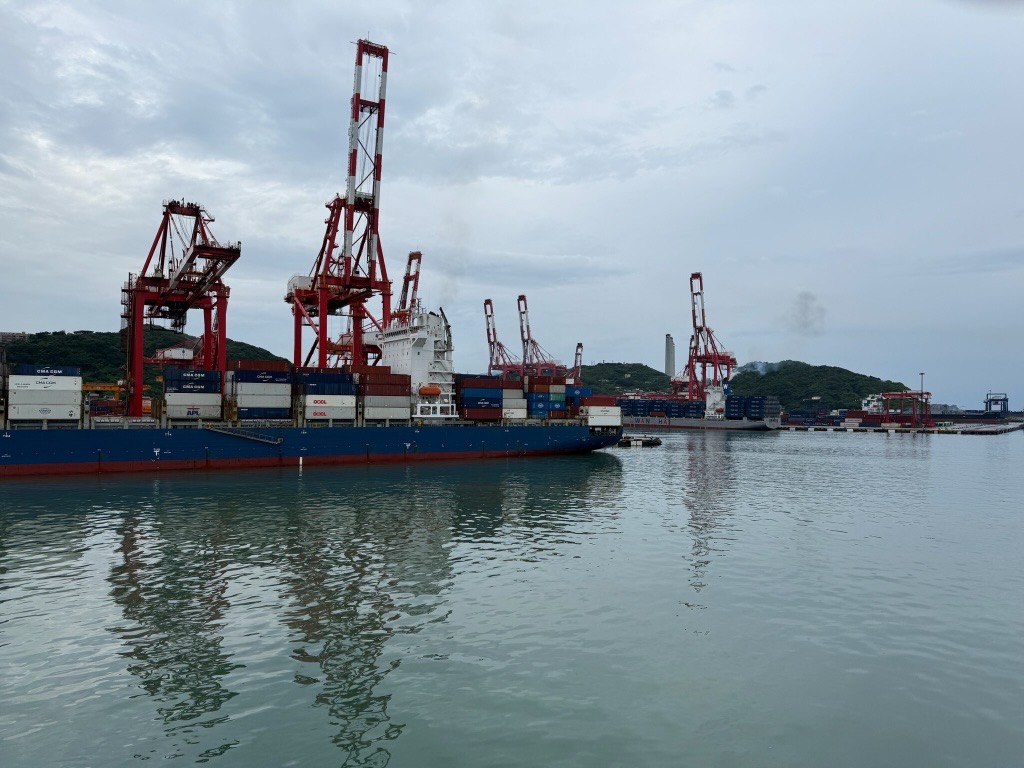
Container port
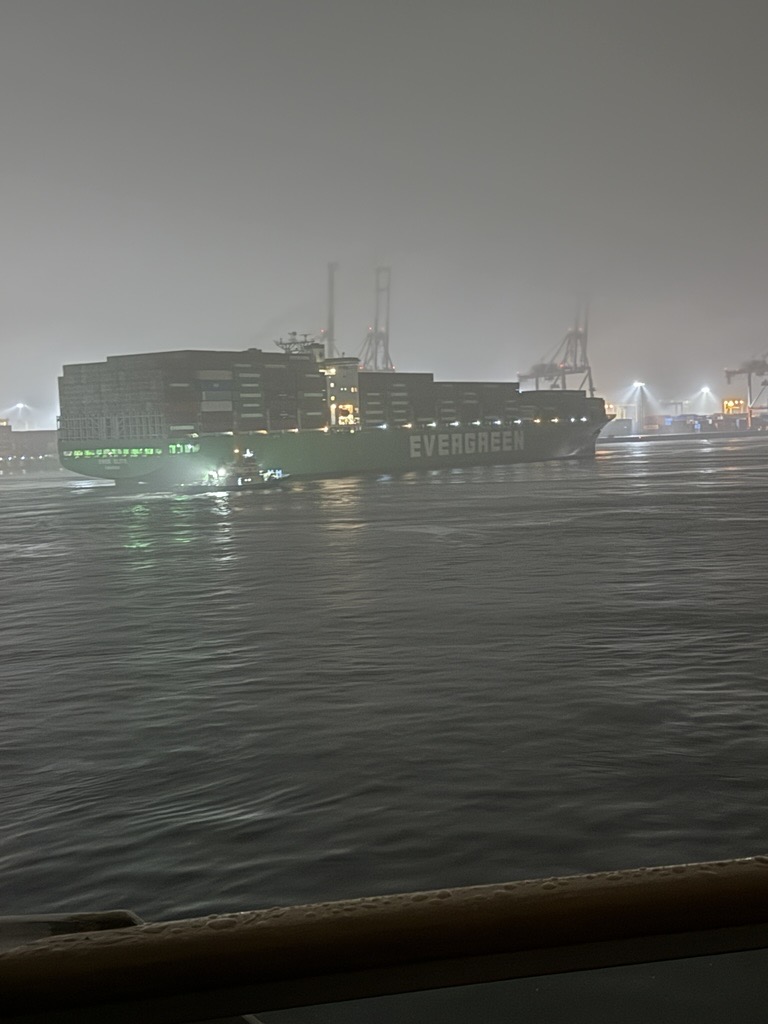
Container ship arriving in Osaka
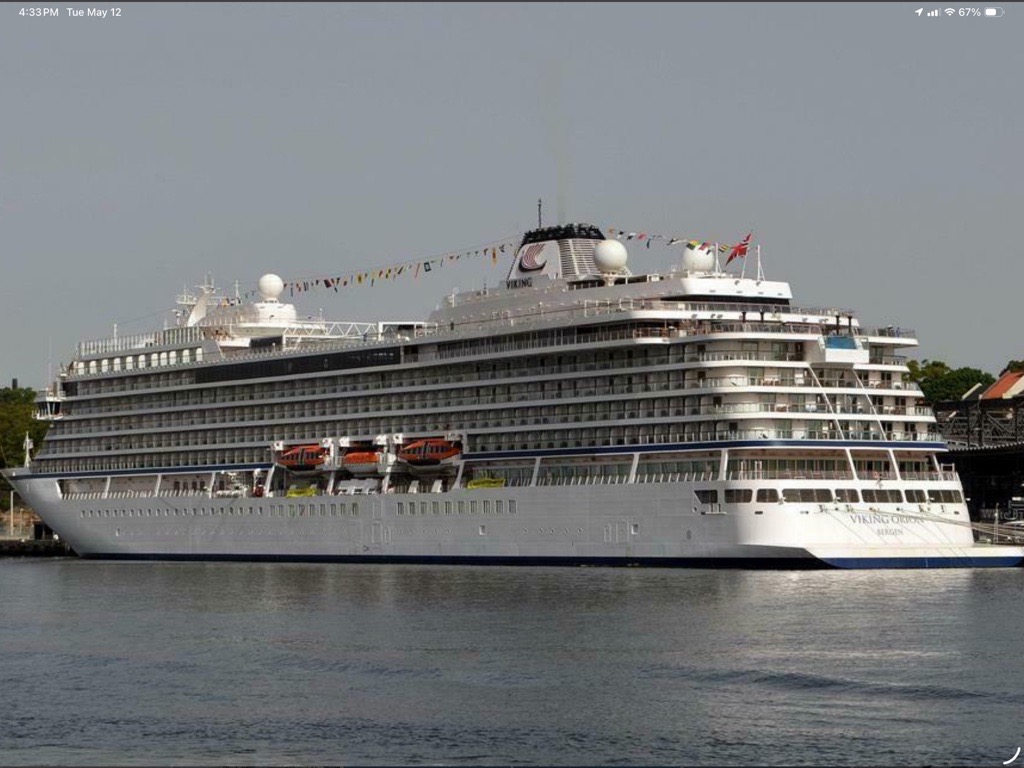
Unlike the Mongol invaders, we came in peace
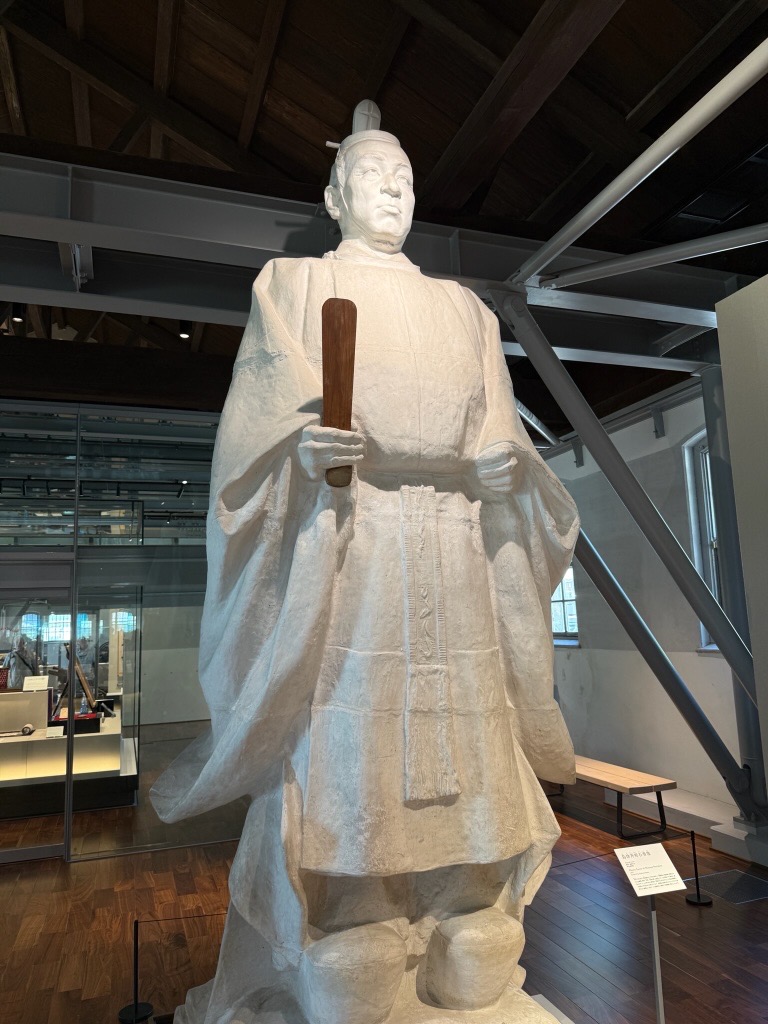
Samurai
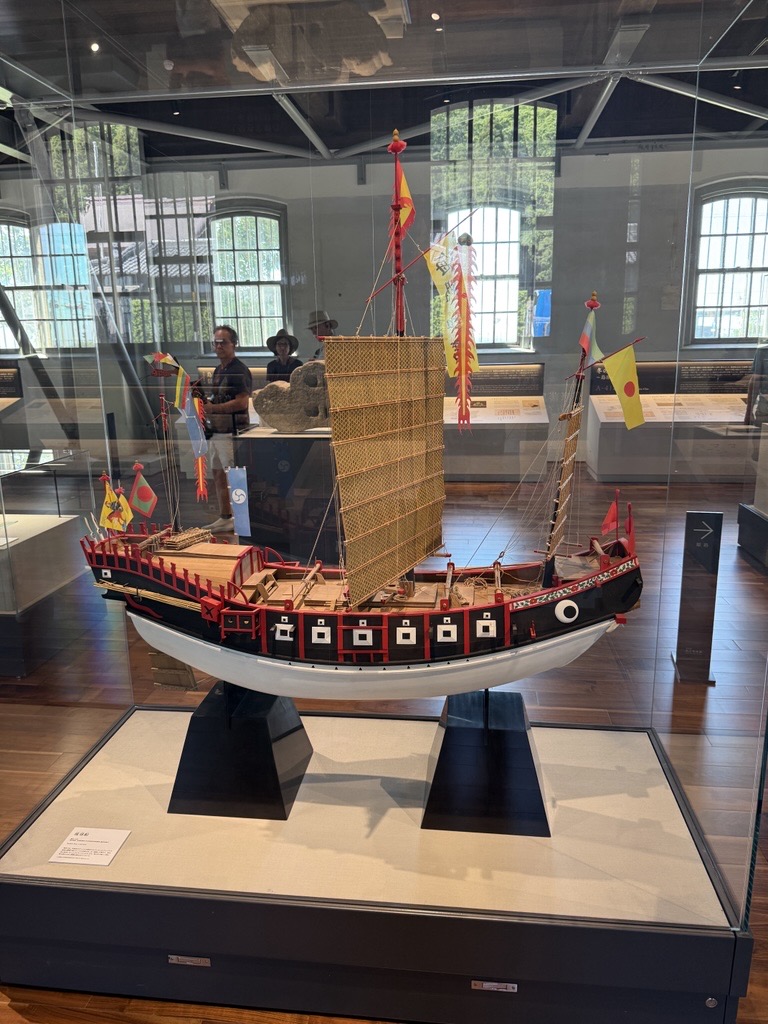
A model Japanese warship