
Port congestion is one of the biggest challenges facing global supply chains today. Whether caused by rising cargo volumes, labor shortages, weather events, geopolitical disruptions, or infrastructure limitations, congested ports can delay shipments, increase transportation costs, and disrupt inventory planning. Understanding the causes of port congestion is the first step toward minimizing its impact and keeping freight moving efficiently.
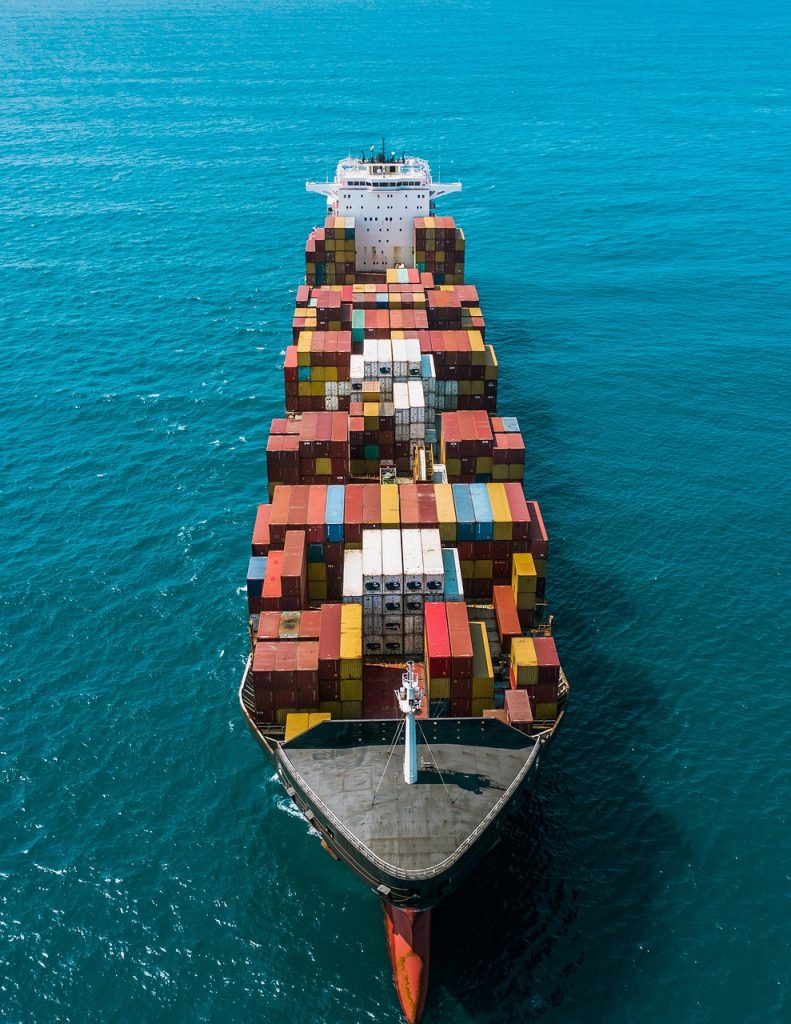 Rising Cargo Volumes Outpacing Port Capacity
Global trade and e-commerce have expanded rapidly, but many ports still operate with infrastructure designed for earlier decades. When container throughput exceeds a port’s physical and operational limits, vessel wait times increase, terminals become overcrowded, and yard space fills quickly. This imbalance between demand and capacity is one of the most common causes of port congestion.
Mega-Ships Create Bigger Bottlenecks
The rise of mega-ships has improved efficiency at sea but created new challenges at port. Many terminals lack the crane height, berth depth, or storage capacity needed to efficiently handle these massive vessels. When a single ship unloads thousands of containers at once, it places significant strain on cranes, trucks, rail connections, warehouses, and terminal operations, increasing the risk of congestion.
Labor Shortages and Workforce Disruptions
Ports depend on skilled professionals, including crane operators, longshore workers, truck drivers, warehouse teams, and logistics personnel. Shortages in any of these areas can slow cargo movement and reduce terminal productivity. Labor strikes, contract negotiations, and safety restrictions can further impact operations, leading to unexpected delays and growing backlogs.
Geopolitical Tensions and Route Disruptions
Conflicts, trade sanctions, piracy risks, and disruptions at key maritime chokepoints, such as the Suez Canal and the Red Sea, can force ocean carriers to reroute vessels. These changes often shift cargo volumes to alternative ports that may not have the capacity to handle the sudden increase, resulting in additional congestion and longer transit times.
Weather Events and Natural Disruptions
Severe weather can quickly disrupt port operations. Hurricanes, typhoons, flooding, heavy fog, and high winds may temporarily close terminals, delay vessel arrivals, or reduce cargo handling capacity. Even after conditions improve, ports often require days or weeks to work through the backlog of delayed vessels and containers.
Inland Transportation Bottlenecks
Port congestion isn’t always caused at the waterfront. Limited truck availability, rail congestion, chassis shortages, warehouse capacity constraints, and delays in container pickup can prevent cargo from leaving the terminal efficiently. As containers remain on the dock longer, valuable yard space is consumed, making it harder for ports to process incoming shipments.
How Logistics Plus Helps Businesses Navigate Port Congestion
When port congestion threatens your supply chain, having the right logistics partner can make all the difference.
 Logistics Plus combines global reach with local expertise to help businesses navigate disruptions and keep freight moving. With teams positioned near major ports worldwide, we understand the unique operating conditions, regulations, and challenges that affect each gateway. This local knowledge allows us to anticipate issues early, identify alternative routes, and proactively minimize delays before they affect your business.
Our operational flexibility is one of our greatest strengths. Whether rerouting freight through alternative ports, coordinating transloading and drayage services, arranging air freight, or deploying expedited trucking solutions, Logistics Plus develops customized strategies that adapt to changing conditions. Strong relationships with ocean carriers, terminals, rail providers, and trucking partners provide access to capacity and transportation options that aren’t always available through larger, less agile providers.
Just as importantly, our customers receive proactive communication from experienced logistics professionals. Rather than relying solely on automated updates, our team provides timely status reports, practical recommendations, and personalized support so customers understand exactly where their freight is and what steps are being taken to protect their schedules and budgets.
With offices and partners around the world, decades of global logistics experience, and a customer-first approach, Logistics Plus helps businesses respond confidently to supply chain disruptions while maintaining the flexibility needed in today’s dynamic shipping environment.