by Ryan Markiewicz | May 30, 2025 | Berlin's Wall
All,
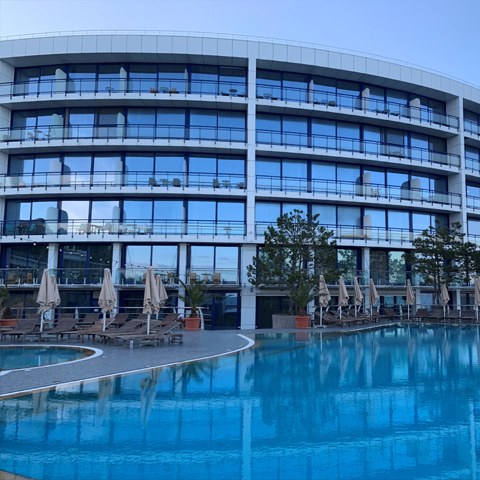
Arrived here in the afternoon. Mikhail took us to a very nice Greek restaurant for lunch. DELICIOUS!
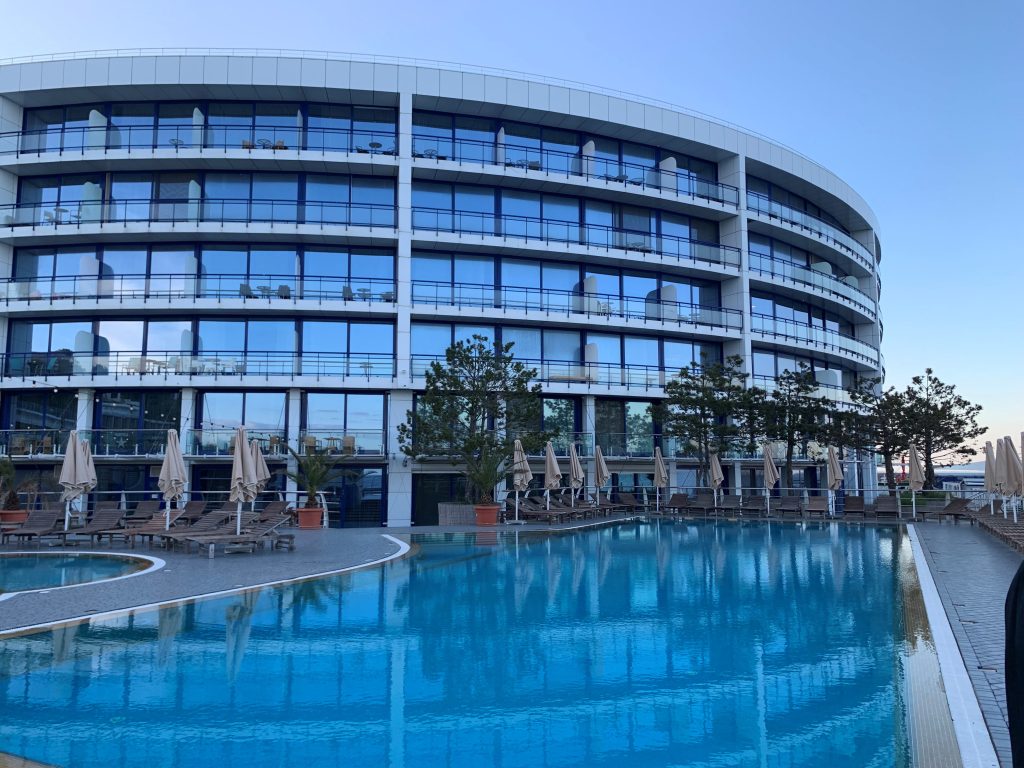
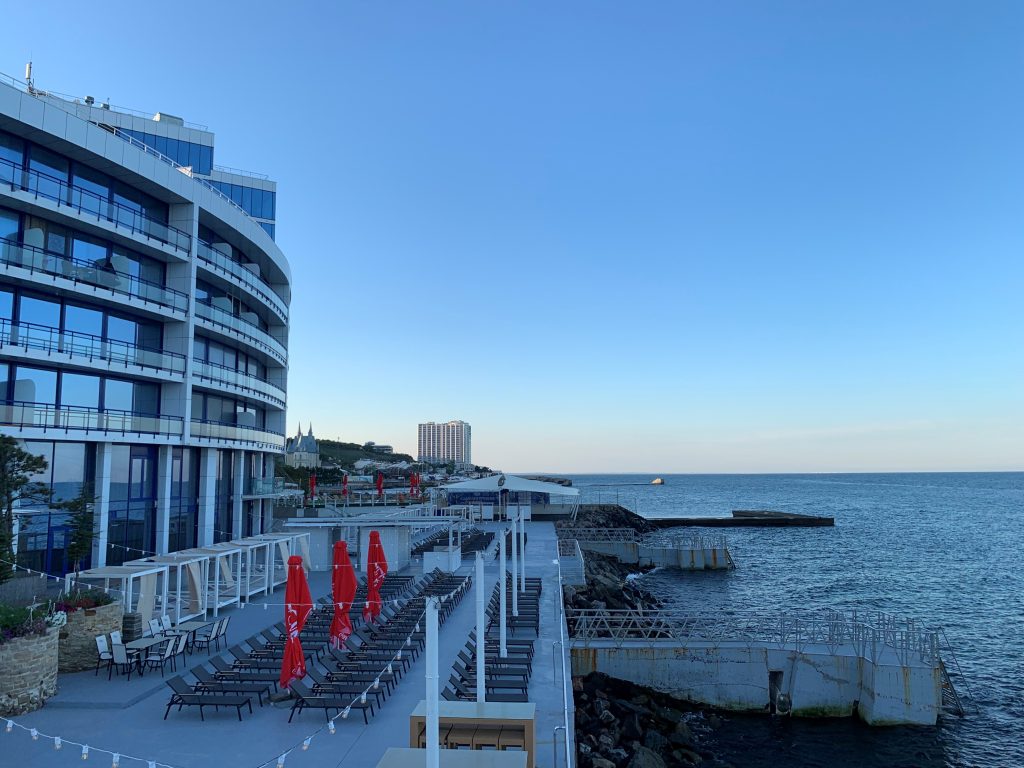
Jet lag (plus yesterday’s bike ride from hell) finally caught up to us, so both Gordie and I caught quick naps before heading out for a wonderful and memorable dinner with the owner, Slava, and his son, German, of this beautiful resort by the Black Sea.
Their family has been in Odesa for over 100 years. 4th generation. Both are extremely proud of their city’s unique and colorful history. They have owned and operated ports and been involved in government.
Because of Russia’s invasion, Ukraine has gone from having about 14 seaports, to just 3 now, all between Odesa and Chornomorsk (VERY close to one another) so we discussed the need to modernize the ports (especially for container ships) since there will be lots of good flowing into (and hopefully out of as well) Ukraine once the war end and reconstruction begins.
And Odesa, on the Black Sea, will become an even more major lifeline for Ukraine. BIG responsibility.
But, as mentioned earlier, Odesa/Ukraine is most definitely up to the task. PROUD history as Slava and German reminded us over a wonderful dinner.
Tomorrow, Andriy from our Kyiv office will join us, and we will visit the beautiful stadium here, which is owned by our good friends from Allrise Capital.
Onward!
by Ryan Markiewicz | May 30, 2025 | Berlin's Wall
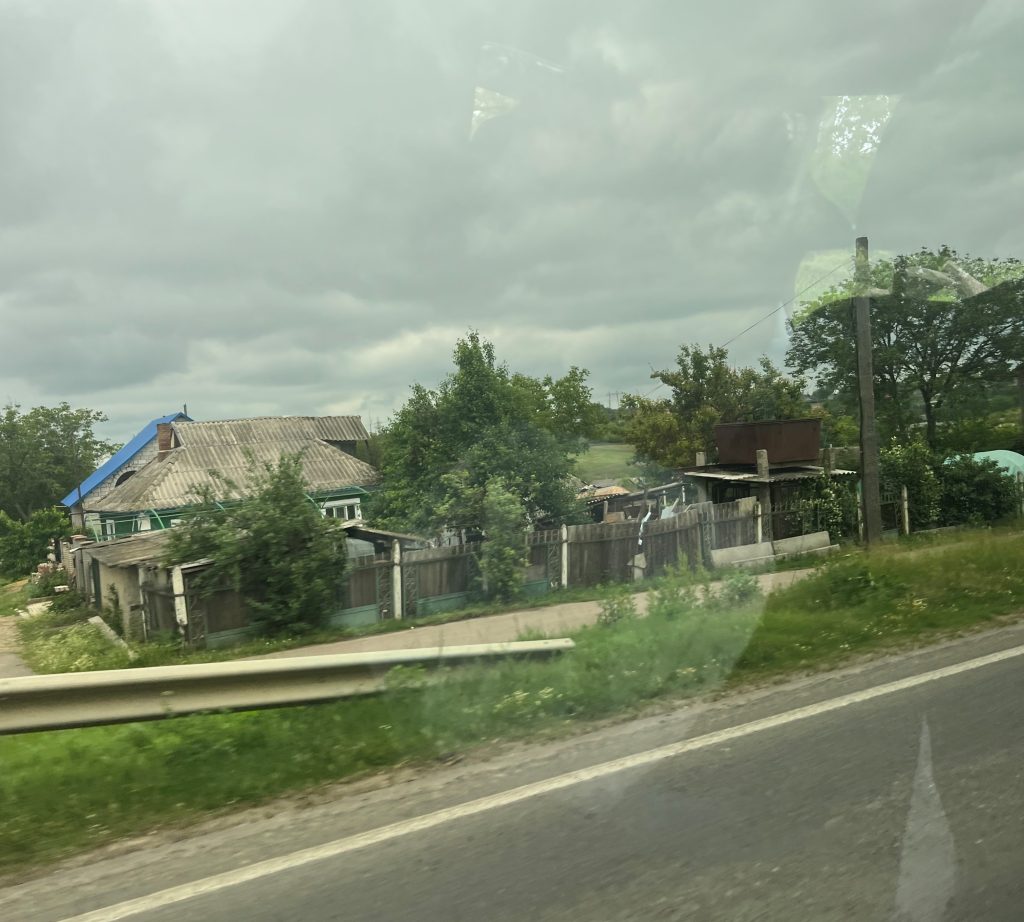
We took the 4-hour drive from Moldova to Odesa. Uneventful. Easy drive. What strikes you is the beauty of the land. Fertile farmland dotted by small villages (some more modern than others). Border crossing was easy, and we look forward to our time here.
Now I’m gonna cheat and use CHAT GPT – AI and my new ‘best friend” 🙂 to give you a brief history of Odesa:
Odesa isn’t just a port city—it’s a survivor. It’s been claimed, shaped, starved, bombed, and reborn
more times than most capitals. And yet, here it is. Still standing. Still stubborn.
The land it sits on has passed through a dozen hands—Greeks, Tatars, Ottomans—but the modern city
started in 1794, when Catherine the Great decided Russia needed a Black Sea port that could rival the
best of Europe. She named it Odesa. And unlike most Russian cities of the time, this one was built by
outsiders—Italian architects, French engineers, Greek traders.
The man who really put it on the map was Armand Emmanuel du Plessis, the Duke de Richelieu—a
French nobleman who fled the revolution in France and ended up running a Russian city. Go figure. As
governor of Odesa in the early 1800s, he brought order, built the port, and laid out the city in clean,
European lines. He turned a dusty outpost into a real hub—and his statue still stands today at the top of
the Potemkin Stairs.
By the late 1800s, Odesa was booming. It was the third-largest city in the Russian Empire, after
Moscow and St. Petersburg. Ships came in loaded with grain and left full of goods and gossip. The city
had no shortage of either.
It was always a mix of cultures—Ukrainians, Russians, Jews, Greeks, Armenians, Italians. Sometimes
they got along, sometimes they didn’t. But they all helped shape the place. Odesa had a reputation for
quick wit, fast deals, and a kind of cheerful disregard for authority.
Then came the darker chapters. The Holodomor hit hard. The Nazis and Romanians occupied the city
during WWII and murdered tens of thousands—especially in the Jewish community. The scars of that
time still run deep.
In the Soviet years, Odesa was a closed naval city—strategic, secretive, and swarming with black
market deals. Even behind the Iron Curtain, it kept its sense of humor. Writers, smugglers, and
comedians all called it home.
Since Ukraine gained independence in 1991, Odesa has tried to balance old loyalties with new realities.
It’s still vital to Ukraine’s economy, culture, and identity. And now, in the face of Russia’s war on
Ukraine, the city once again finds itself on the edge—this time not just of the sea, but of history.
Odesa is tough. It’s complicated. It’s not perfect. But it’s standing. And that’s something.
“Odesa doesn’t bow easily. Not to tsars, not to tyrants, not to time.”
We connected with Sasha, who (thankfully) came down to meet us from Kyiv and will begin our visit here. This city is “different” 😉
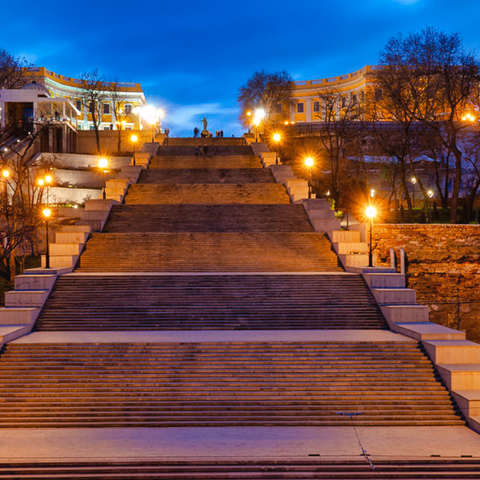
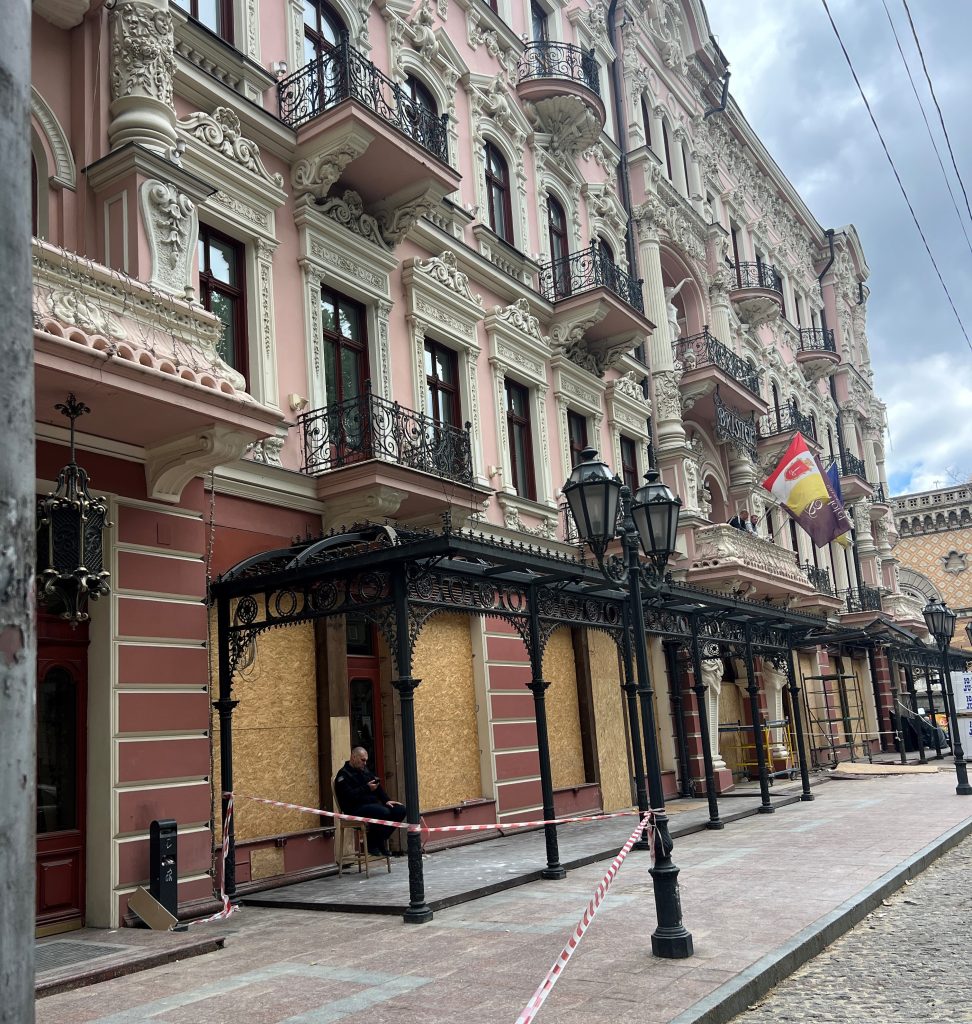
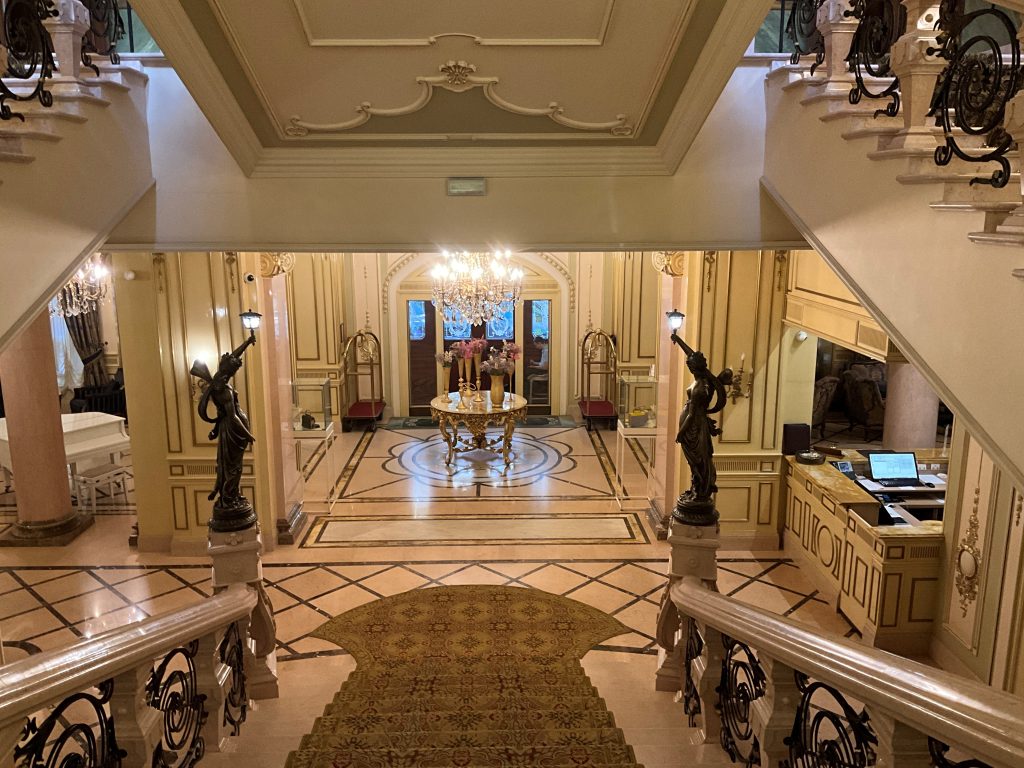
Here are the two pictures CHATGPT gave me, as well as one that I took of the beautiful hotel we stayed at last time, The Bristol, which got hit by a Russian missile since our last visit.
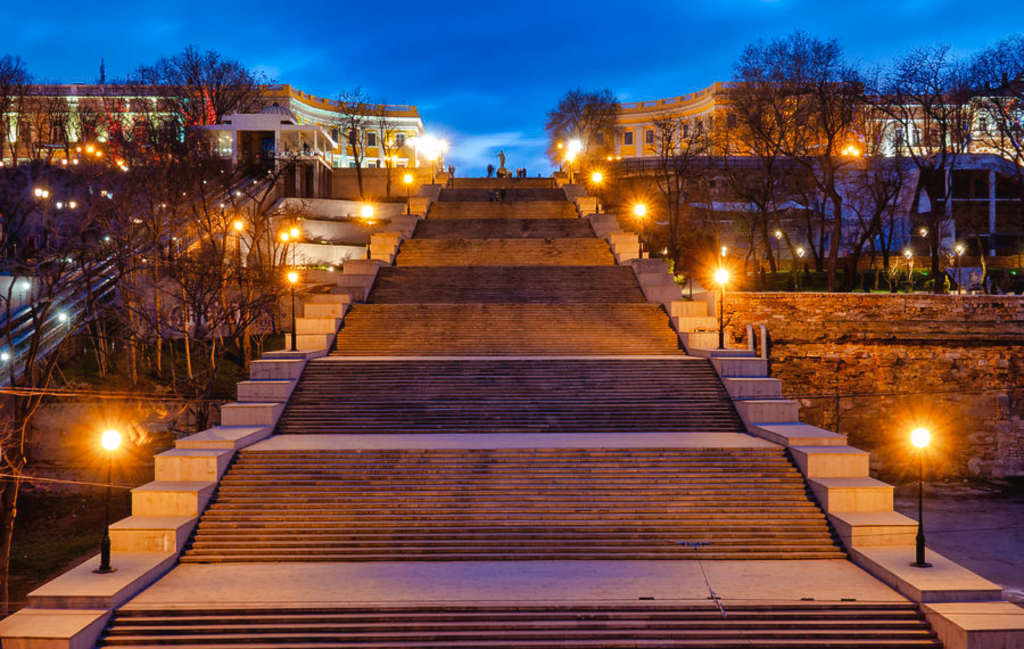
The famous Potemkin stairs, memorialized in the famous movie, “Battleship Potemkin” by Sergei Eisenstein, one of the classic scenes in early movie making in 1925 (Note: if you ever saw “The Untouchables” with Kevin Costner and Sean Connery, that scene with the baby stroller at Chicago’s Union Station, was a clear homage to Eisenstein)
Statue of the Duke of Richelieu at the top of the stairs
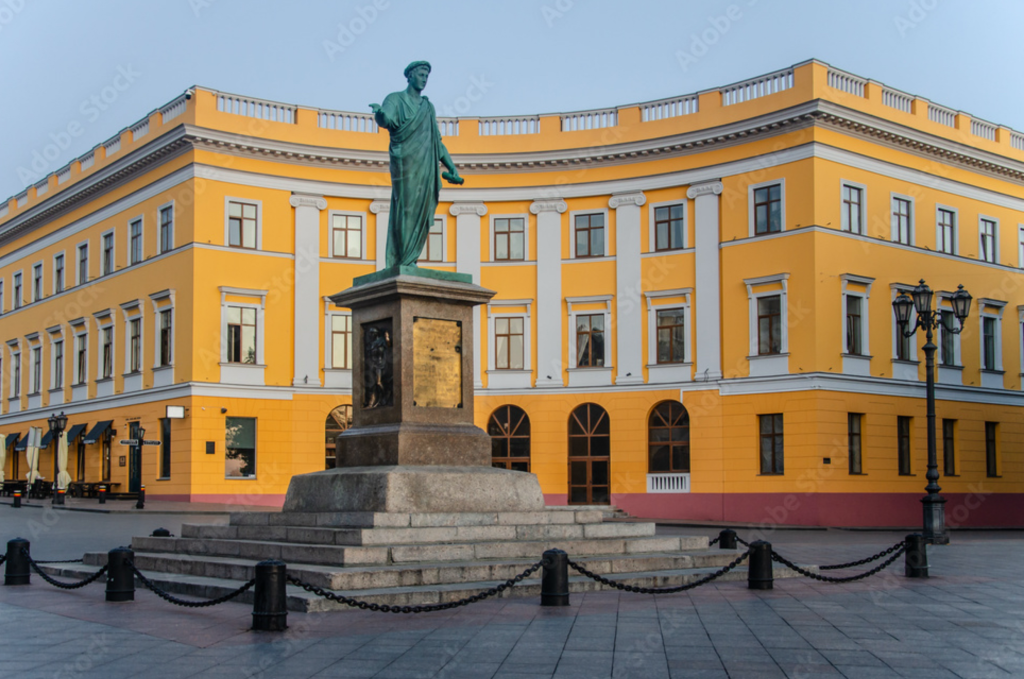
And who he was (from CHATGPT)
The Duke of Richelieu’s path to Odesa is one of those fascinating twists of European history—where exile, war, and opportunity collided.
Here’s how Armand Emmanuel du Plessis, Duke of Richelieu (1766–1822) ended up running a port city in the Russian Empire:
1. Born into Nobility in France
• He was a French aristocrat, descended from the famous Cardinal Richelieu, and inherited the title Duke of Richelieu.
• He served briefly in the royal court of Louis XVI, including time as a military officer.
2. Exiled by the French Revolution
• When the French Revolution broke out in 1789, Richelieu, like many nobles, was forced to flee.
• He became one of the so-called émigrés—royalists and aristocrats who scattered across Europe.
3. Entered Russian Service
• Richelieu found refuge in the Russian Empire, where Catherine the Great and later Tsar Alexander I welcomed exiled European aristocrats—especially if they brought talent, loyalty, and military experience.
• He served as an officer in the Imperial Russian Army, notably fighting against the Ottomans.
4. Appointed Governor of Odesa (1803)
• Impressed by his service and character, Tsar Alexander I appointed him Governor of Odesa and the surrounding region (New Russia).
• At the time, Odesa was a new and chaotic city. Richelieu brought order, European planning, and commercial ambition to the job.
• He helped lay out the city grid, expanded the port, improved sanitation, and made Odesa a thriving hub for grain exports, commerce, and immigration.
5. Returned to France After Napoleon’s Fall
• After Napoleon’s defeat, Richelieu returned to France and even served briefly as Prime Minister under Louis XVIII, helping with the political stabilization of post-Napoleonic France.
So, in short: the French Revolution exiled him, Russia gave him a second act, and Odesa became his legacy. His statue still stands in Odesa today—coattails blowing in the sea breeze, right where the steps meet the city.
And here is the Bristol hotel–wounded but still standing, and surely will be back on its feet one day. Part of a tough, resilient city and people!
And here is the Bristol from our visit last year. Beautiful, huh?
Onward!
by Ryan Markiewicz | May 29, 2025 | Berlin's Wall
All,
Had a very nice and full day in Chisinau, the capital of Moldova.
Got in at midnight. Gordie and I both got up early and walked around the town. Pretty quiet, clean, and safe, with some cool sites. Had a nice breakfast.
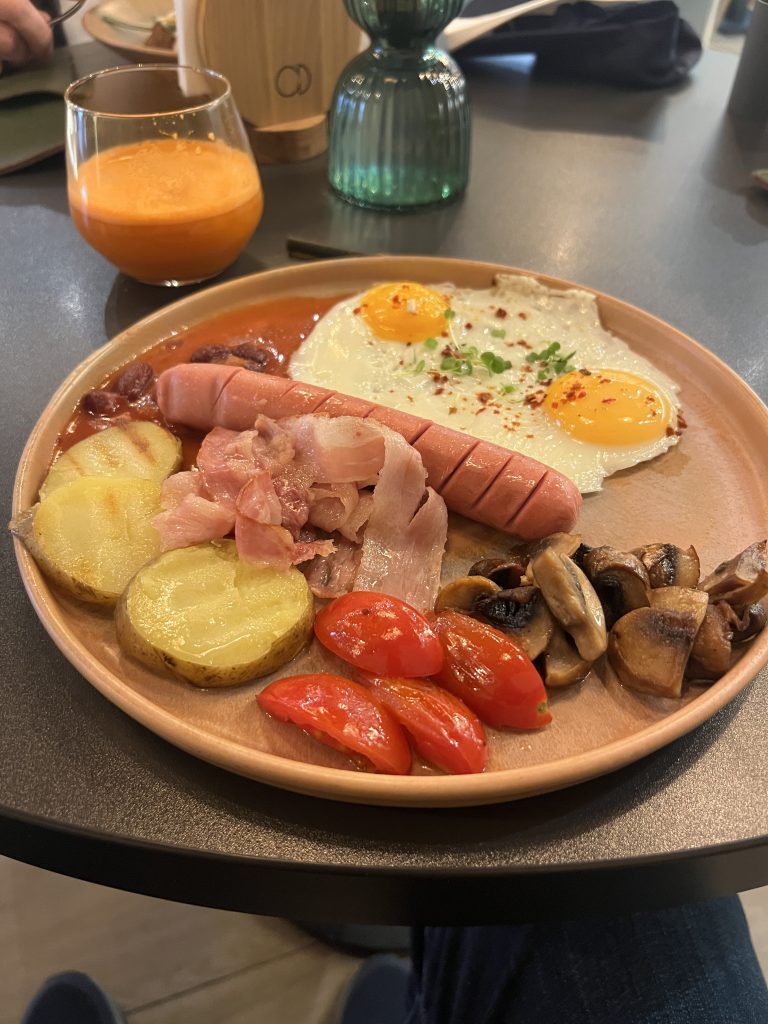
Typical “English” breakfast. Delicious.
We signed up for a bike ride to a very cool underground winery. (Moldova is famous for wine.) Over 100 miles of tunnels and caves. Pretty cool. https://cricova.md/en
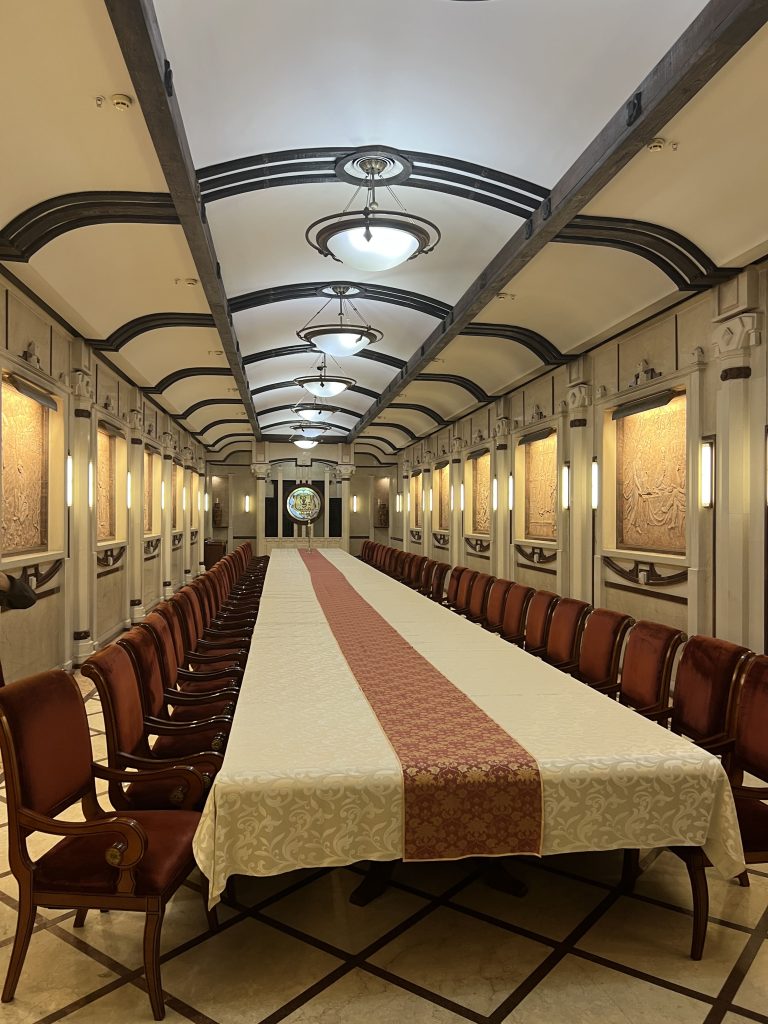
This place is like an underground castle.
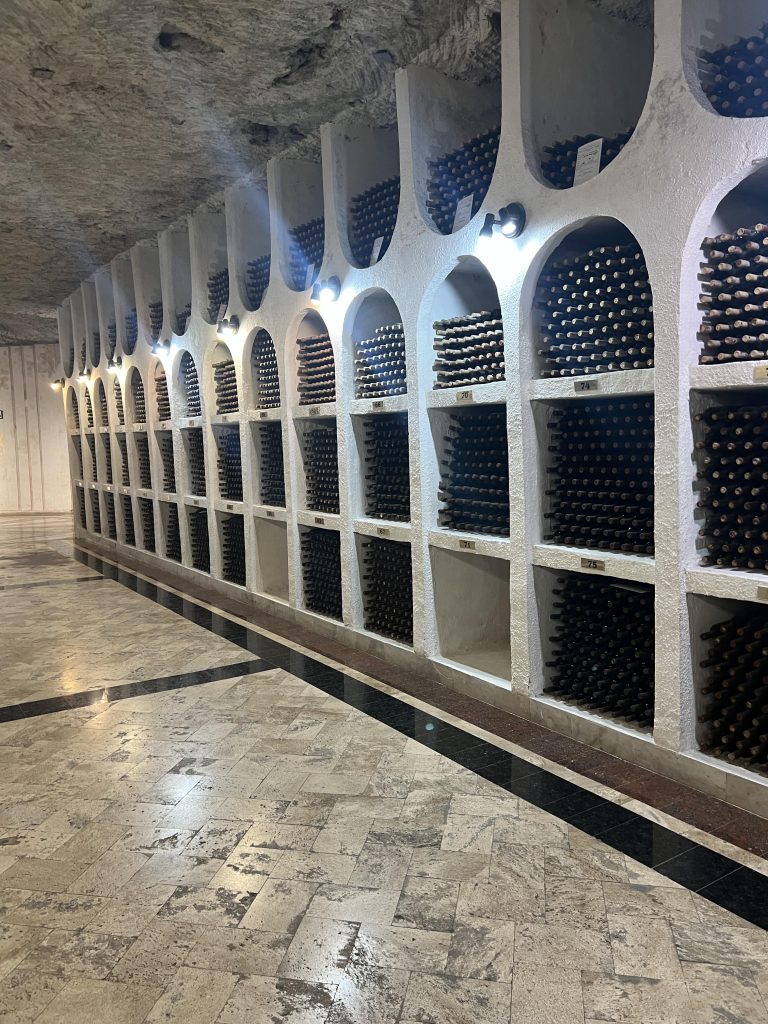
A really cool place!
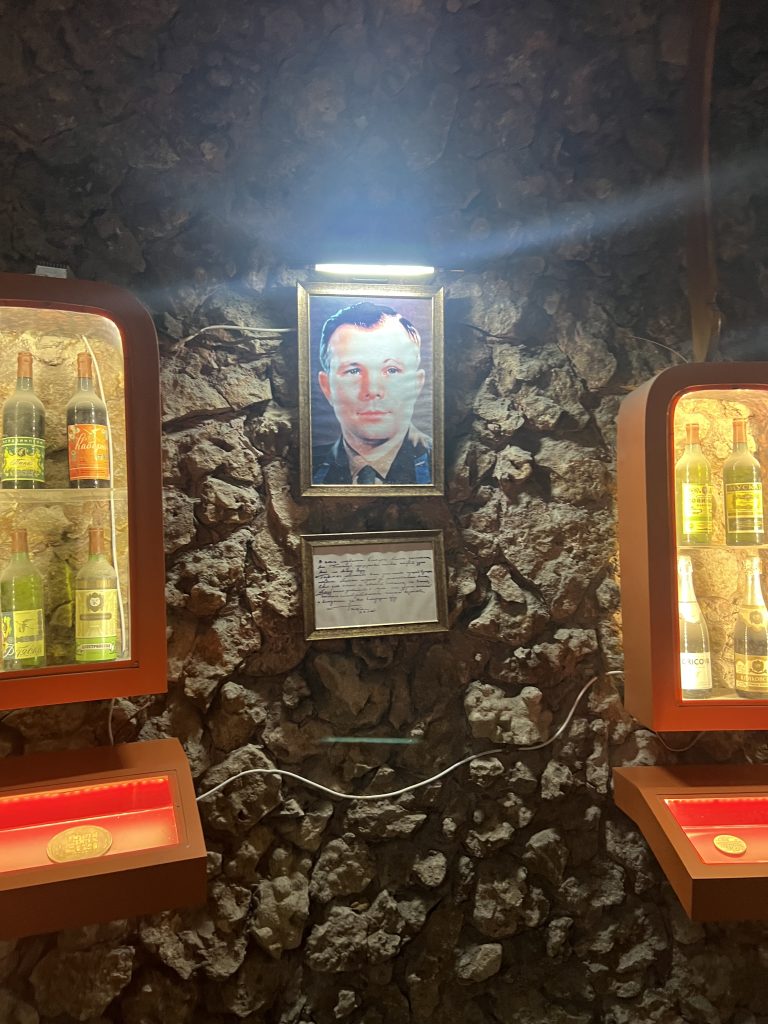
This is a picture and a thank-you letter from Yuri Gagarin, the first person to go into space. Word is that he visited here in 1964 and ended up spending the night (a combination of too much wine tasting and getting lost in the underground maze). Funny, he could get to space easier than he could find his way out of this place 😆
The bike ride itself was pretty tough. Through the city with a guide (just the 3 of us) and (I know you’re all gonna laugh at me and think I’m full of shit) but pretty much all uphill. And through mud roads once we left the city itself. It was really hard, though I felt much better that Gordie, who is an accomplished rider, also thought it was hard as hell 🤪.
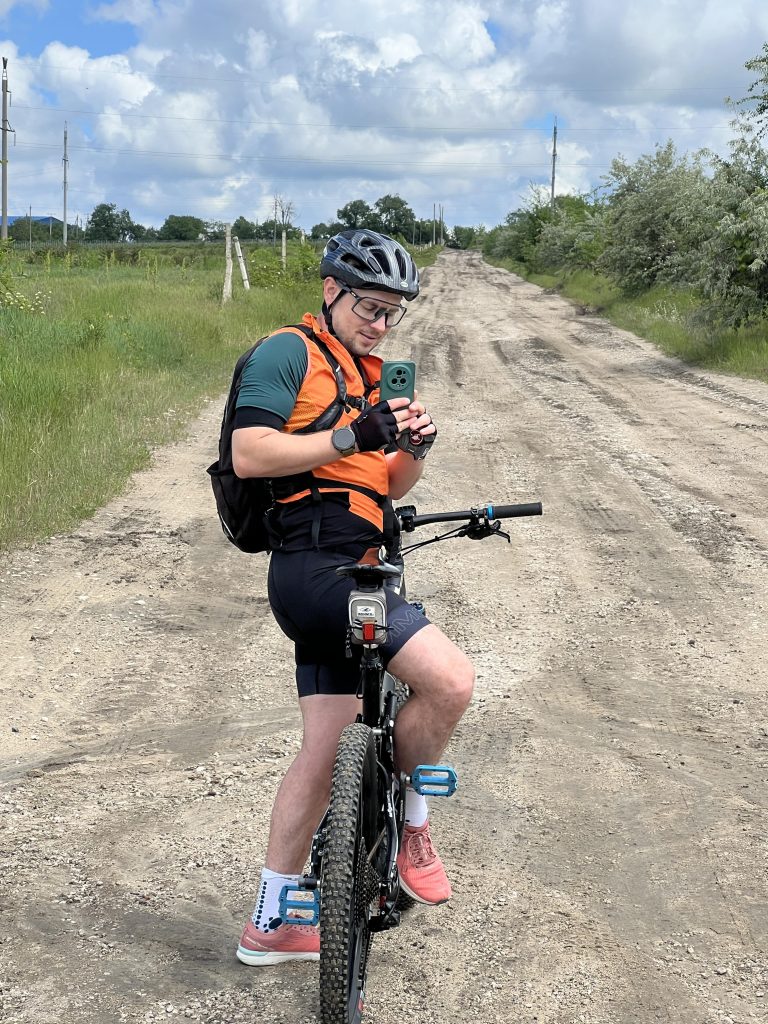
Our guide, Ariel, was great. We never would have made it without him 😉
Last night we had dinner with Shelby Magid and our friends from The Atlantic Council. Just a few folks–ex-US Ambassadors, some Kremlinologists, some security folks. VERY smart people. Gordie and I just kind of took it all in.
Looking forward to arriving in Odesa today. Will be traveling with our good friends from Allrise Capital. Will meet the Mayor and the Governor of Odesa and visit the soccer stadium, the port, and the women’s soccer school. And of course, see some of our LP team members–that will be my favorite part and what I am looking most forward to 🙂
Moldova is another very cool part of the world. Ex-Soviet Republic, looking to “westernize” and keeping an eye on how things go next door in Ukraine. Would likely be the next to fall if Ukraine is defeated, so clearly they/we have a stake in how this war ends. Hoping that the peace talks soon get “real” and that the US actually brings Putin to the table instead of continuing to kick the can down the road.
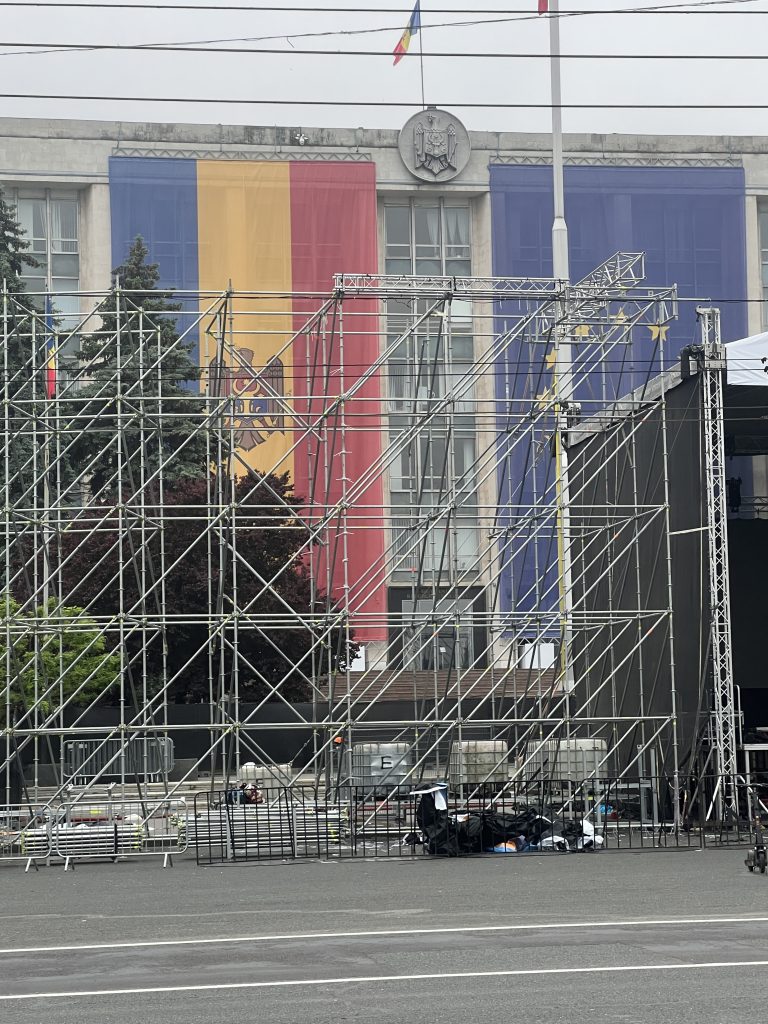
Lots of old Soviet style buildings.
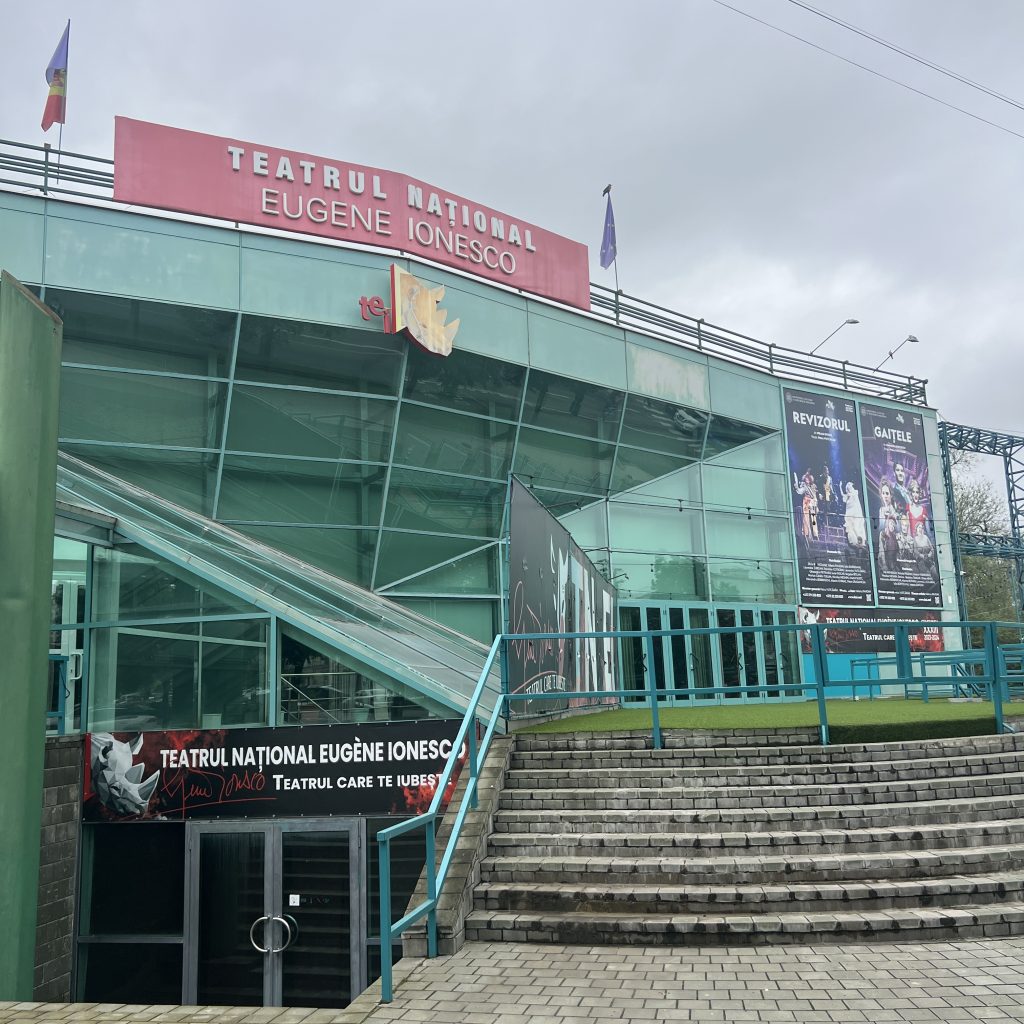
National Theater. Named after one of the founders of the Romanian Theater.
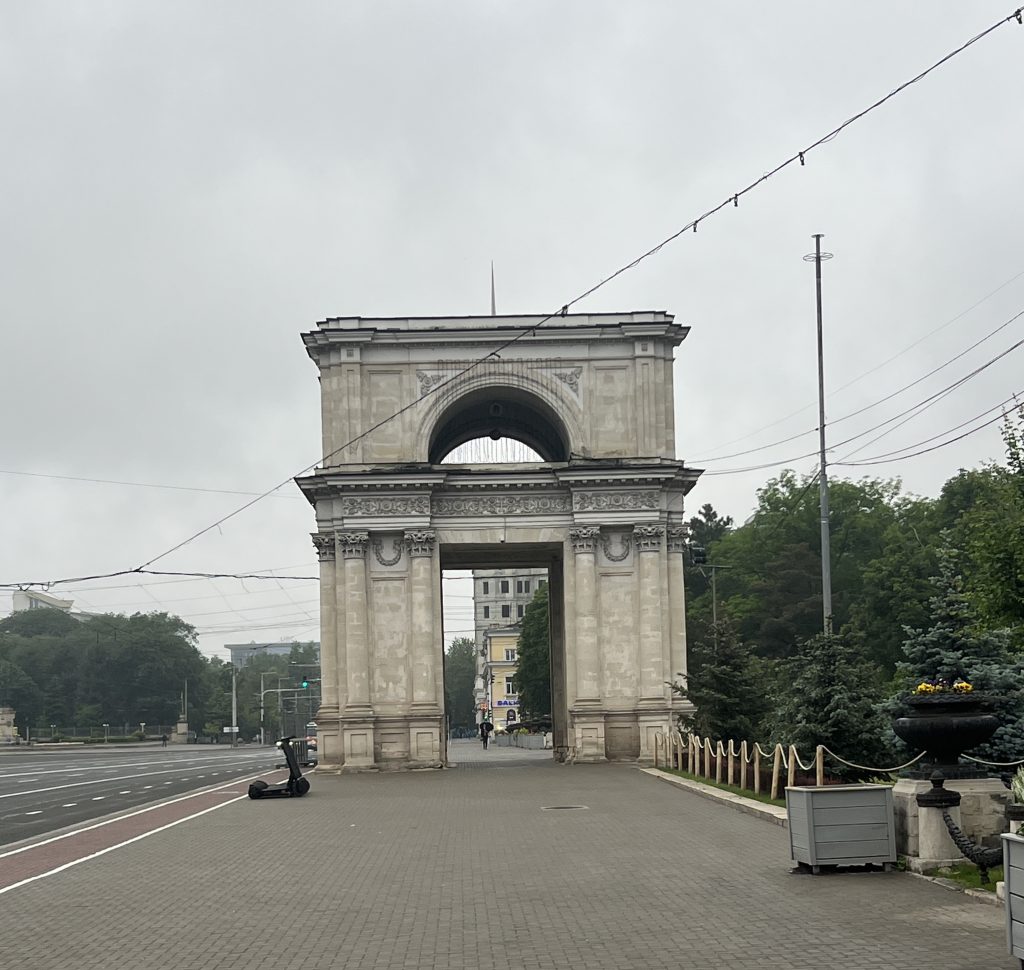
There’s a miniature Arc d’ Triomphe here.
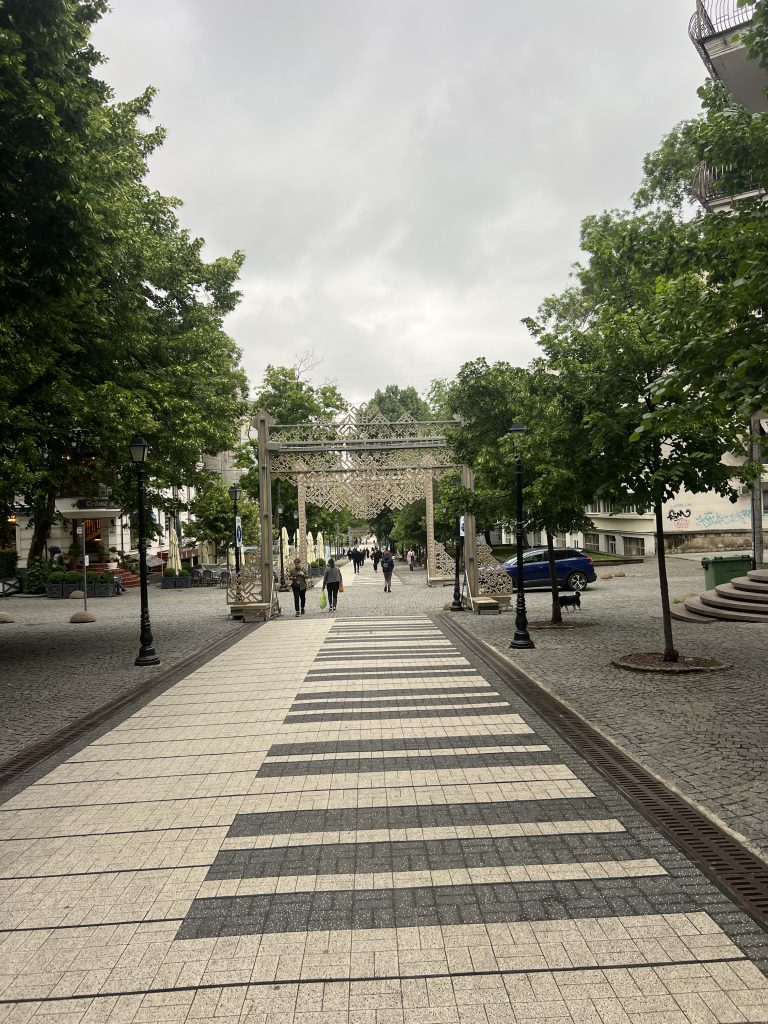
Nice broad walkways and parks. Chisinau is a very clean city.
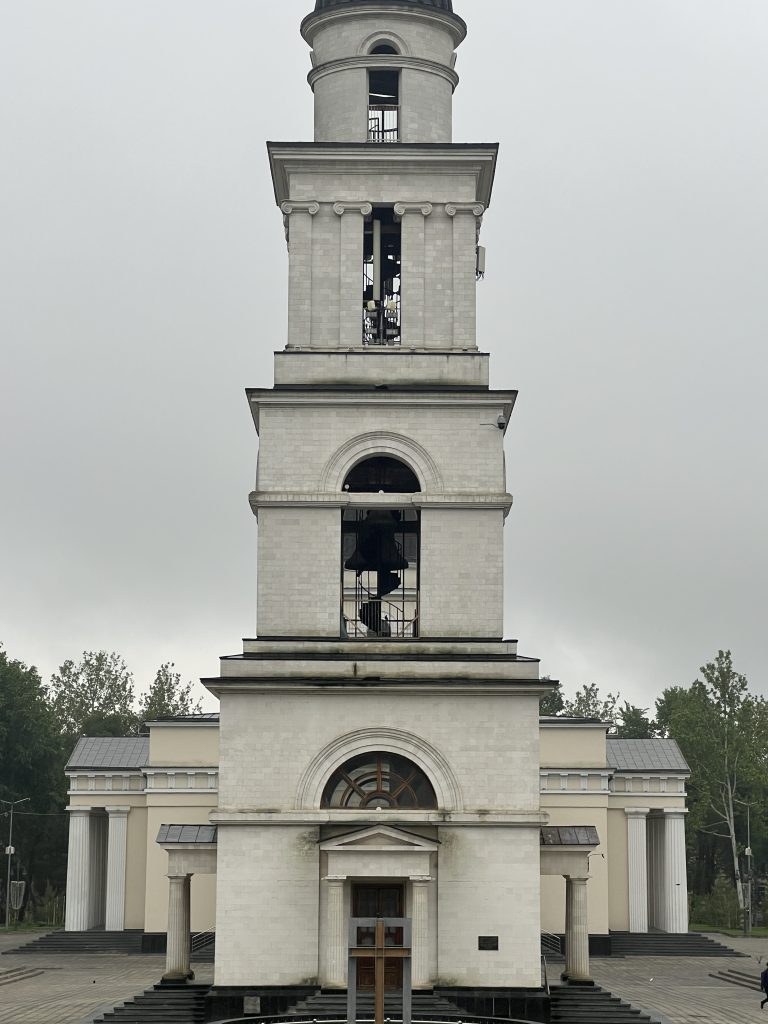
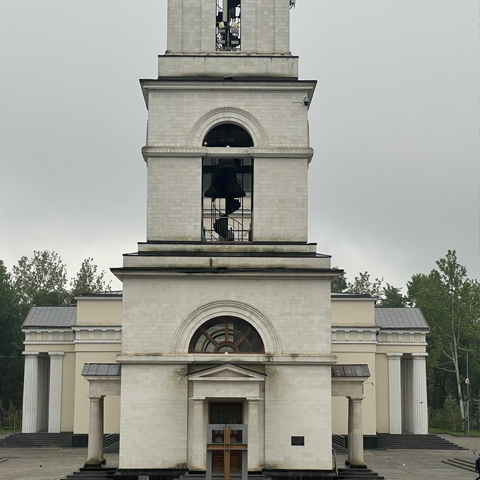
Church. 95% of Moldovans identify as Eastern Orthodox Christians
Seems to me that there is SO MUCH to gain, for Russia, for Ukraine, and for the world at large if this war can end and everyone can get on with trade and investment and economic growth (not even to mention an end to all the senseless killing).
We’ll see. And we’ll do what we can to help.
Onward!
-JB
by Ryan Markiewicz | May 27, 2025 | Berlin's Wall
All,
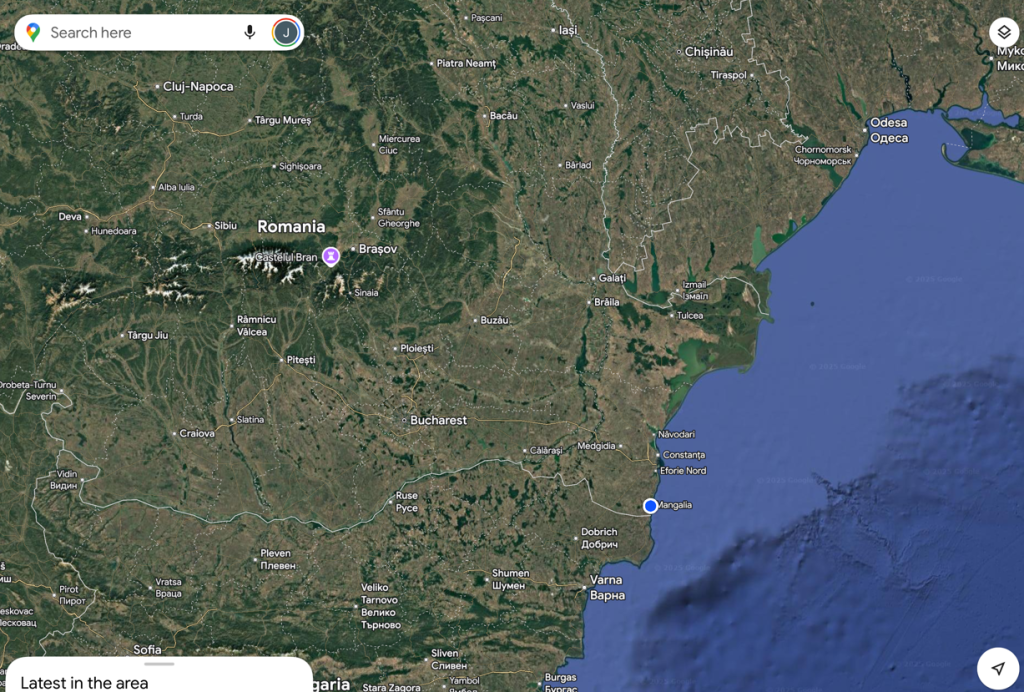
On my way back to Odesa. Flew from NYC to Istanbul and then to Chisinau, Moldova (cool, historical place. Look it up 😉)
The blue dot is on the flight.
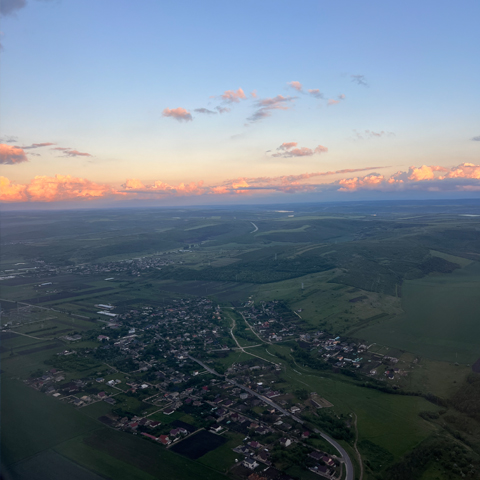
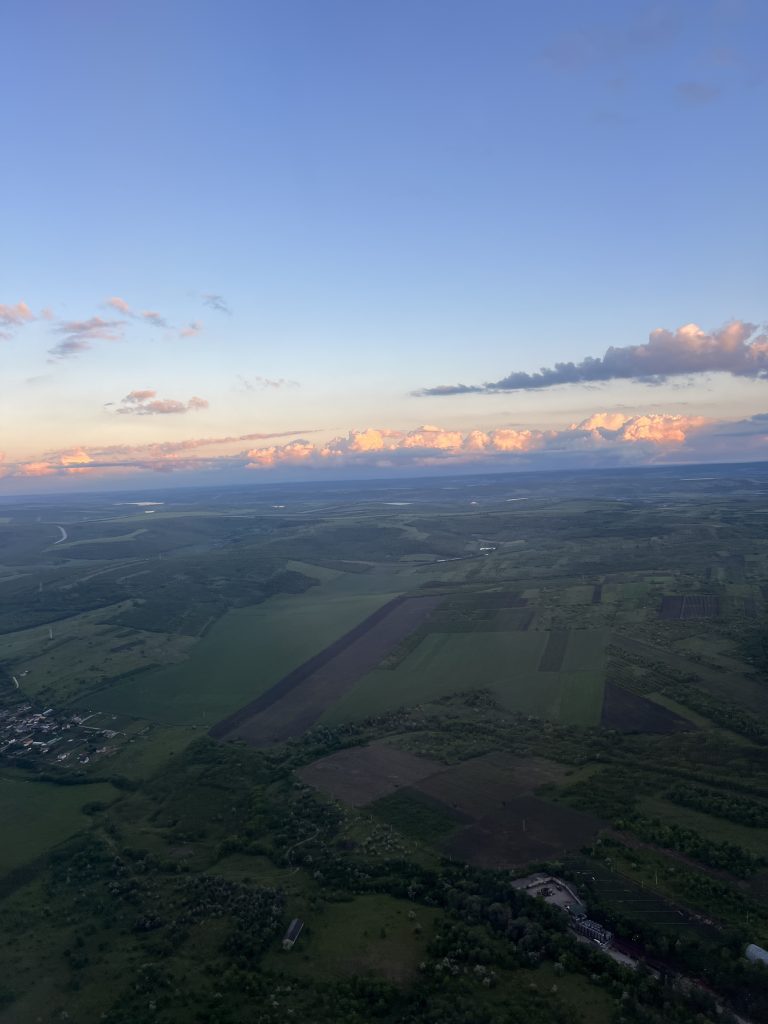
The pics are out of the plane window. Looks very green and fertile.
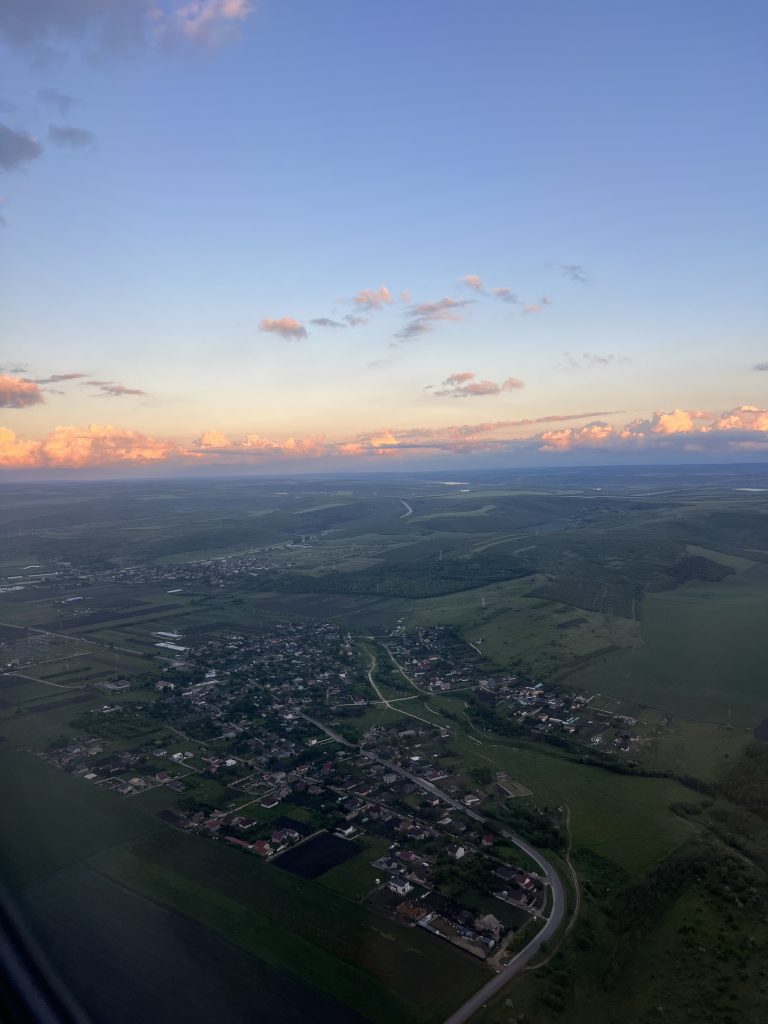
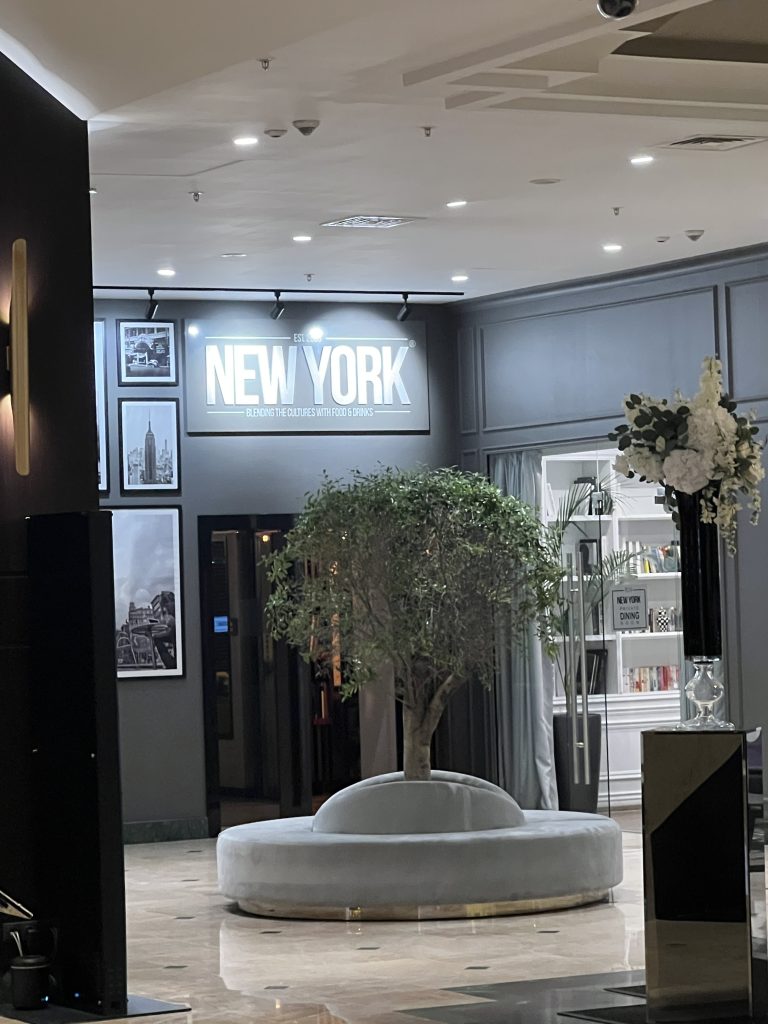
And we left JFK airport at midnight last night. Flew all night and all day. And look where I ended up back in New York City in my Chisinau hotel hahahahahaha.
More tomorrow.
-JB
by Ryan Markiewicz | May 9, 2025 | Berlin's Wall
All,
It’s pretty interesting—and exciting—that the new Pope is the first American Pope after 275 predecessors. I also read this morning (though not yet confirmed) that his grandparents and great-grandparents were from the Dominican Republic and have French/African Creole roots in New Orleans, making him, in many ways, a reflection of the broader American story and of humankind. Pretty cool.
Even more amazing? He’s a graduate of Villanova University in Pennsylvania—where, as it happens, my former son-in-law teaches.
That Villanova connection brought to mind a story that says a lot about how far we’ve come.
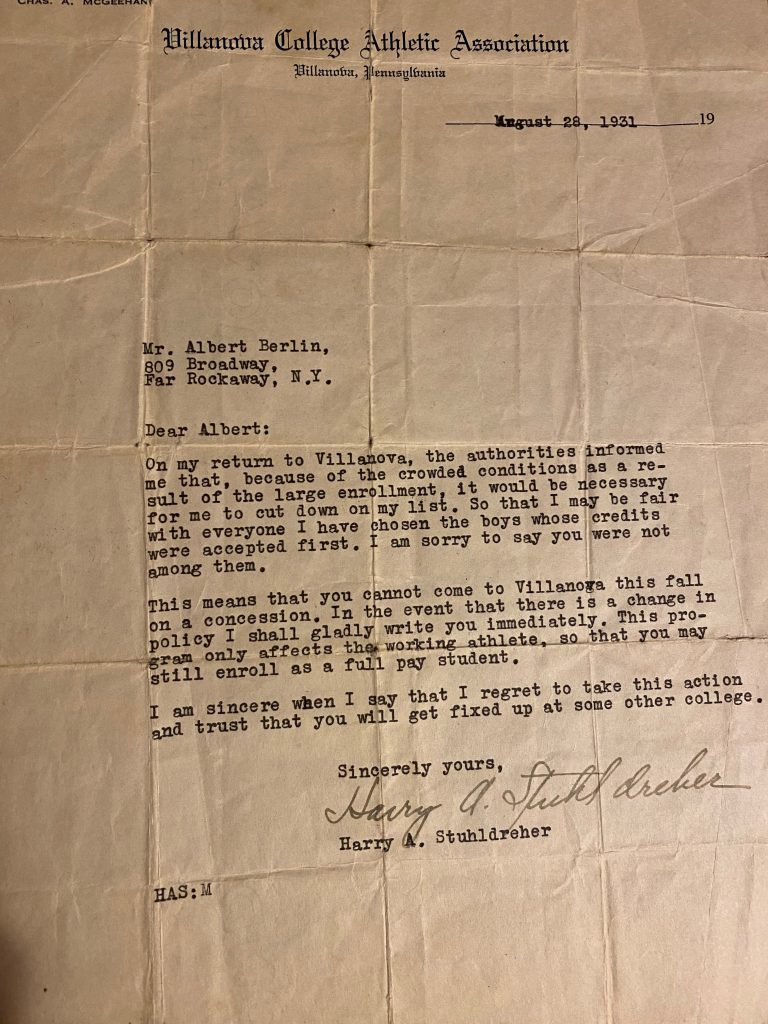
Back in 1931, my Dad—Albert Berlin—was a standout athlete in New York City, recruited by several colleges to play football, including Villanova. Their athletic director at the time was Harry Stuhldreher, one of Notre Dame’s legendary “Four Horsemen.” My Dad had been offered a spot… until the school found out he was Jewish.
I have the original letter, which is still on my wall today. In it, Stuhldreher regretfully withdraws the offer, citing overcrowding and limited scholarships. But in person, he admitted the truth: Jews were not allowed at Villanova back then. The name “Berlin” had slipped through. Once discovered, the decision came down from above: no go.
To his credit, Stuhldreher was ashamed. He helped my Dad get into NYU and stayed in touch with him for years.
Decades later, when I was with Governor Ed Rendell (a Jewish New Yorker and proud Villanova grad) receiving the Pennsylvania Exporter of the Year Award, I showed him that very letter. We both marveled at how the world had changed.
And now, here we are. A new Pope, from America, from Villanova—hopefully another sign of how far we’ve come. From exclusion to inclusion. From shame to progress. From whispered apologies to global milestones.
The arc does bend—if we help it along.
Onward! -JB
by Ryan Markiewicz | May 5, 2025 | Berlin's Wall
I just had breakfast with Brandon Beane at the stadium. Thanks to M&T Bank for the invite, and to our good friend Bill Hanes for the private introduction. I’ve met Beane before—thoughtful guy. Smart. Grounded. You can see why players want to be here.
He talked shop, of course—all the work it takes to build a winning team. (This’ll be Beane’s ninth season, and the Bills have won the AFC East five of his last six. Pretty damn good.)
He looks for guys whose arrows are pointing up—or at least sideways/not down. Bosa’s only 29. They picked up some great D-line talent in the draft. Said the priority this year was getting the defense younger and hungrier. New leadership. Tre’Davious White will help coach up Max Hairston, their first-round pick, and others. On offense, Khalil Shakir is a guy who can go slot or wide—slot first. Josh Palmer can go wide or slot—wide first. Different puzzle pieces. Salary cap always in play (BIG thanks to the Pegulas for putting their money where their team is).
And Josh Allen? Beane’s first draft pick as GM 8 years ago. (Nailed that one!) Still ascending, he believes. Arrow still up. And as good as he is at QB1, Beane said he’s an even better human being. Said he’s been around this league a long time and seen plenty of guys who turn on the “nice and humble” for the cameras—but act like a**holes when they’re off. “Ask anyone in the locker room or anyone working in this building,” he said. “They’ll all tell you: Josh is the real deal.”
Awesome.
But what stuck with me most wasn’t the roster or the draft board. It was the idea of players being there. Brandon talked about team building—not in the corporate “let’s-do-trust-falls” kind of way. Just being present. Showing up. Listening. Learning.
He said, “Sure, you can lift weights anywhere—but working out together and then hanging out afterward? That’s a whole different thing.” I agree. Same with any business. You want your guys to play for each other. That’s what builds success.
Afterwards we got to walk on the field—pretty cool. And it struck me, as it did others who I talked to: it’s bittersweet. I know it’s the second-oldest stadium in the NFL, but there have been incredible memories and moments here—for the team and the fans. And I know for me, for sure. Can’t wait for the new stadium in ’26, but still… sad to see the old place go.
As I drove home, I couldn’t help thinking about the long arc that brought me back to this field—memories of the old stadium, the drives down I-90 a thousand times from Buffalo, first to Jamestown, then to Erie. Starting way back in 1982 when I got the job in Jamestown, driving truck for Oneida Motor Freight. Headed down on Monday mornings, back on to Buffalo on Friday. Sleeping in my old Chevy Suburban at the Rt. 17 rest area four nights a week—just trying to make something happen. Trying to figure out what was going to be the path for our young family.
So yeah, maybe it’s corny—but sometimes, a stadium isn’t just a stadium. It’s a time machine. A mirror. A metaphor.
And who knows? Maybe—just maybe—this coming season–the last one in this well-worn, much-beloved stadium, will be the year the Bills finally get to lift the Lombardi Trophy.
How’s that for an ending?
Friggin’ poetry.
Onward!
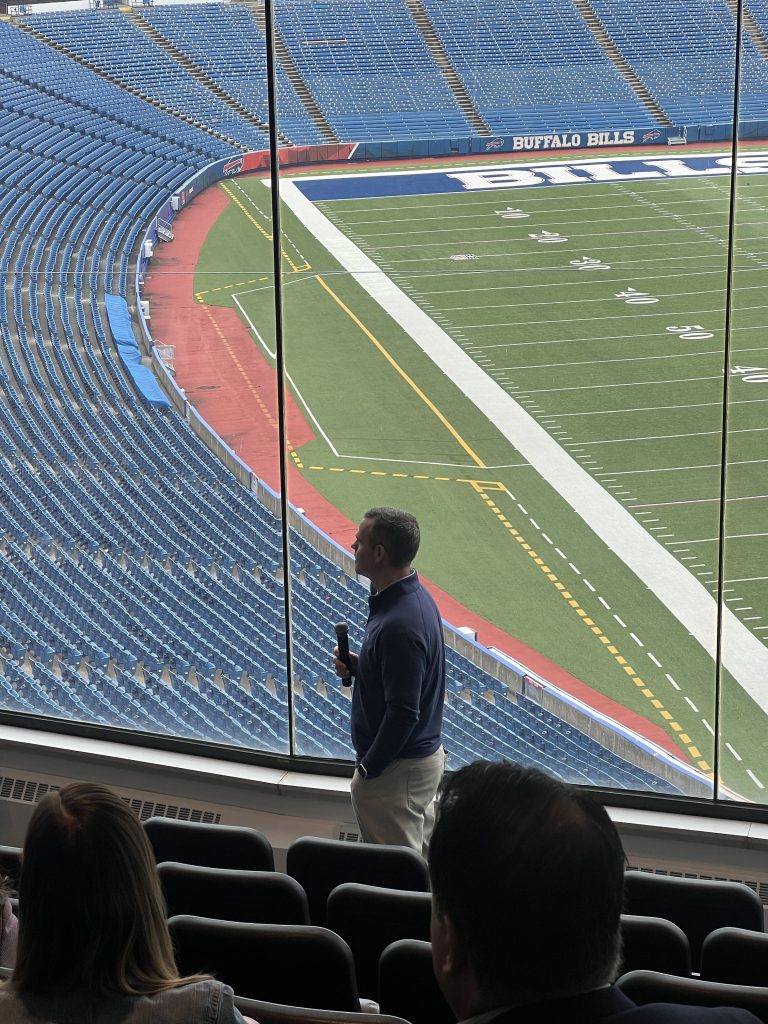
Brandon Beane addressing the group inside the stadium suite, with the field as his backdrop. Smart, grounded, and clearly in his element.
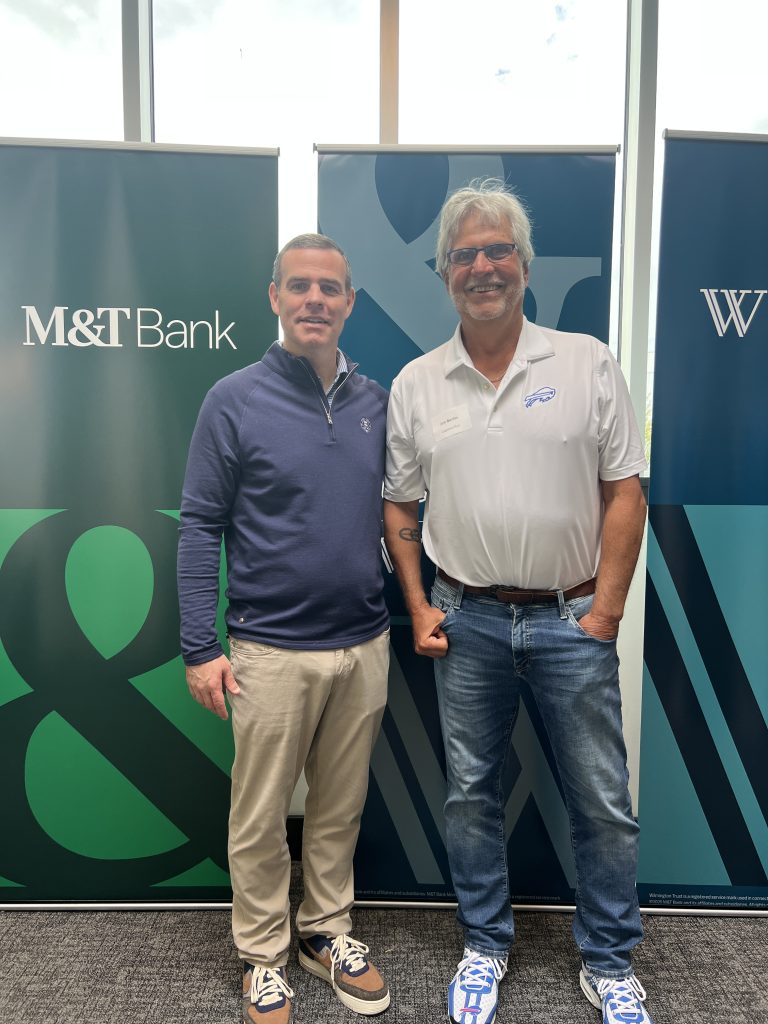
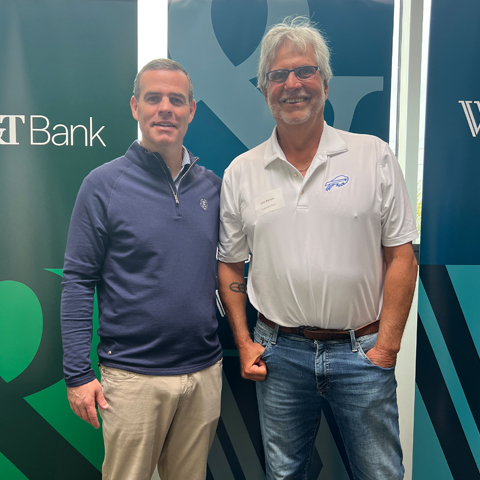
Me with Brandon Beane after breakfast. A good man, and a GM who’s built a culture players want to be part of.
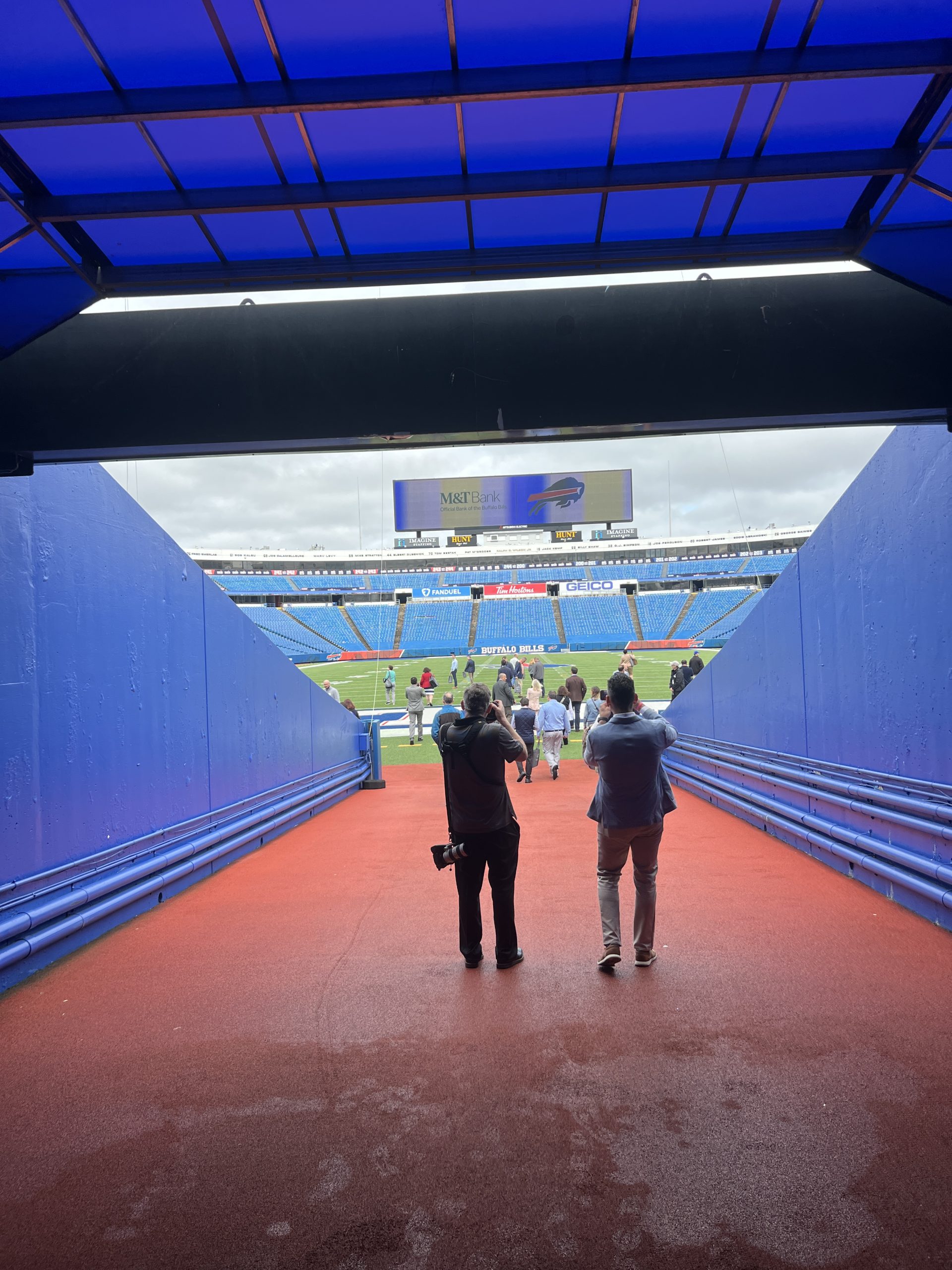
The same tunnel the Bills run out of on game day. Walking through it never gets old—this place is full of memories.
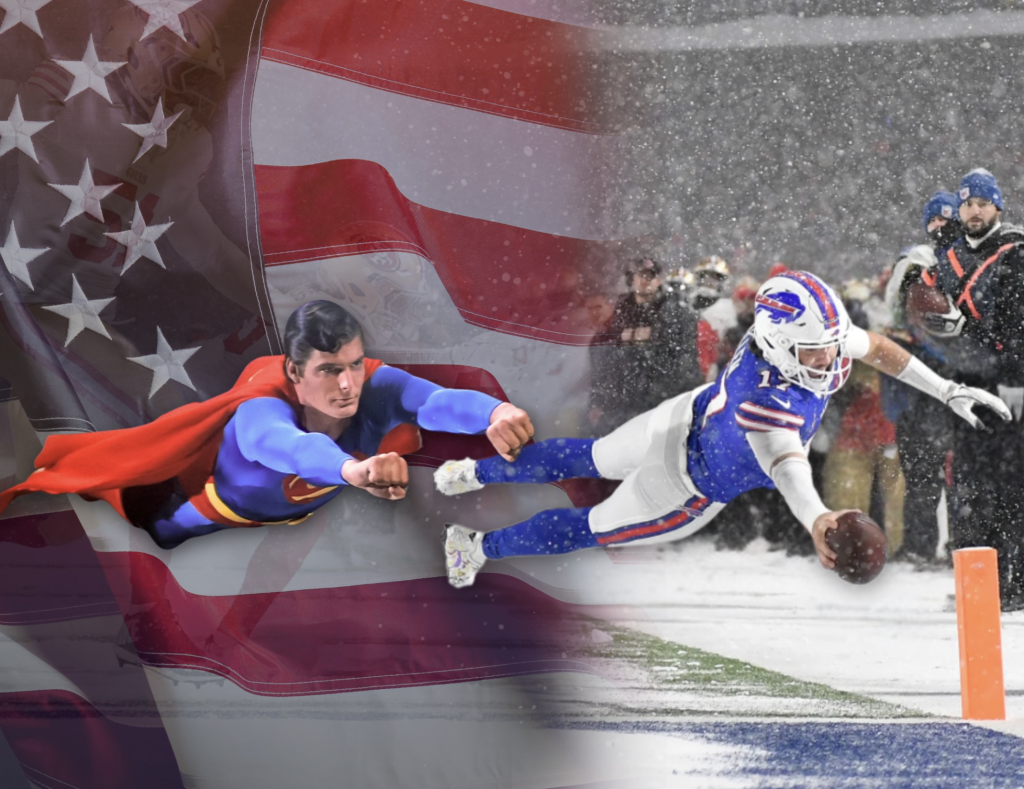
The Superman-themed image I gave Beane—one for him, one for Coach McDermott, and one for #17 himself. Because sometimes, Josh really does fly.
Page 7 of 17« First«...56789...»Last »