by Ryan Markiewicz | Jul 17, 2026 | News
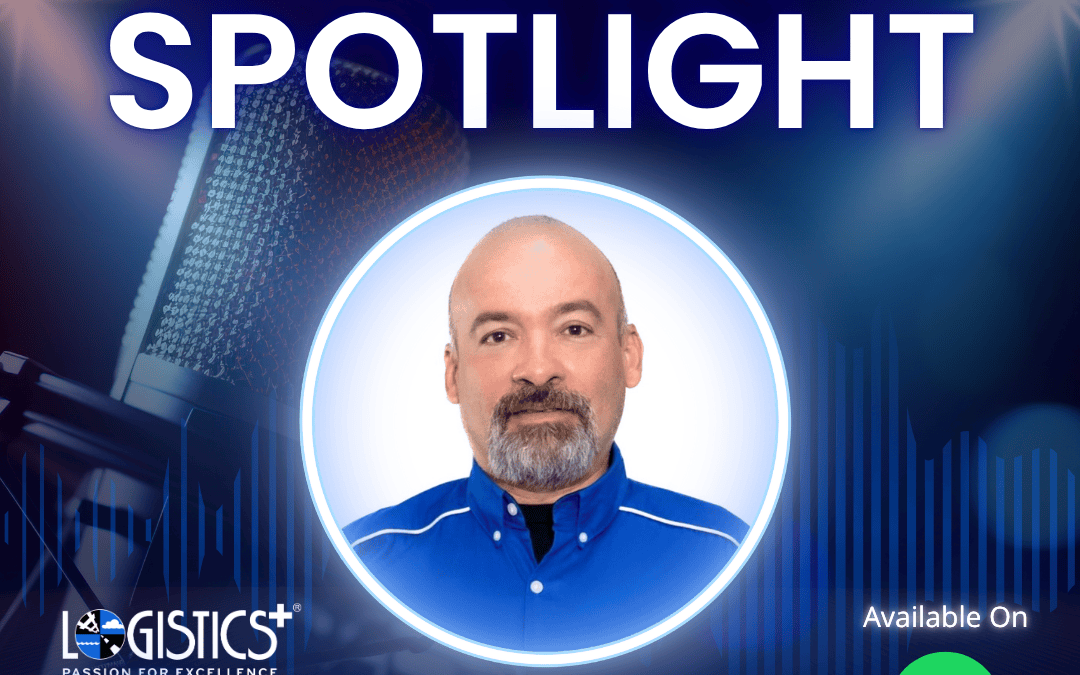
 Jose ‘Pepe’ Garza, Managing Director of Latin America for Logistics Plus, was featured on the recent (7/17/26) Business Spotlight program, produced in partnership with WPSE Money Radio. Business Spotlight is a monthly, 30-minute show that airs regionally and streams globally.
In this month’s Logistics Plus segment, Pepe shares his background, including his role as one of the original co-founders of Logistics Plus Mexico, which is celebrating its 20th anniversary this year. He discusses the Mexico team’s broad portfolio of services, the company’s growing presence and ambitions across Latin America, and how the logistics industry continues to evolve.
You can listen to a replay of the interview on the Logistics Plus podcasts page or by clicking below on our LP Radio channel on Spotify.
by Ryan Markiewicz | Jul 8, 2026 | Global Logistics Alerts
The CPSC’s new eFiling program is live today, July 8th 2026
The CPSC’s new eFiling program is live today. Here’s what importers need to know about how it works and why it matters.
If your products are subject to consumer product safety rules, such as flammability standards or choking hazard requirements, you still need to test them. But now, you also need to file a certificate electronically with Customs at the time of import. Customs then passes that data to the CPSC.
The filing describes the product, identifies which safety rule applies, and documents how testing was conducted. The CPSC uses this information to decide which shipments to hold for its own testing or to request copies of lab reports.
The key shift here is that compliance checks are moving upstream. Rather than catching problems after goods have entered the supply chain, this system flags issues at the border, which means a Customs hold can interrupt your entire shipment.
For more information, please see the announcement from the United States Consumer Product Safety Commission below:
https://www.cpsc.gov/Newsroom/News-Releases/2026/CPSC-Implements-Mandatory-eFiling-for-Certificates-of-Compliance-Targeting-Dangerous-Foreign-Imports
More detailed information on the eFiling program is available at the links below:
As always, Logistics Plus is here to support you through this process and any other trade compliance changes.

by Ryan Markiewicz | Jul 2, 2026 | Global Logistics Alerts
The EU de minimis change took effect on July 1st, 2026
Following the US Administration’s lead, which removed the $800 de minimis threshold last year, the EU will, from 1 July 2026, introduce a temporary €3 customs duty on low-value parcels imported from outside the EU, mainly through e-commerce. This includes a wide range of products commonly bought online, such as clothing, toys, electronics, and other consumer goods worth up to €150.
Every day, millions of low-value parcels enter the EU. Many contain products that do not meet EU safety standards or are undervalued or falsely declared to avoid customs duties. At the same time, the current customs duty exemption gives non-EU sellers an unfair advantage over businesses that manufacture or sell products in the EU.
The new duty will apply per item, based on tariff classification and not quantity. In practice, this means:
- if you buy 5 T-shirts, a €3 customs duty will be applied (as all T-shirts fall under the same tariff classification)
- if you buy 3 T-shirts and a watch, a €6 customs duty will be applied (as the T-shirts and the watch fall under two different tariff classifications)
- The seller or importer will be responsible for declaring and paying the duty as part of the customs process.
The new measure will help create fairer competition for EU businesses, better protect consumers from unsafe products, tackle customs fraud, and address environmental concerns over mass shipping.
The EU is working to modernize customs procedures to strengthen the single market and ensure that all businesses selling into the EU compete on equal terms while meeting the EU’s safety and compliance standards.
The original press release from the European Commission on December 11th, 2025, can be found here: https://ec.europa.eu/commission/presscorner/detail/en/ip_25_3045
As always, Logistics Plus is here to support you through this process and any other trade compliance changes.
by Ryan Markiewicz | Jun 30, 2026 | Global Logistics Alerts
Proposed Changes to the De Minimis Duty Exemptions by CBP (June 23, 2026)
On June 23, CBP published two proposed rules to indefinitely suspend the de minimis duty exemption for low-value imports — but this time, they’re not relying on IEEPA.
Instead, CBP is citing authority under the Tariff Act of 1930, which allows the agency to limit or suspend tariff exemptions “for any reason to protect the revenue or to prevent unlawful importations.”
Why does the legal basis matter?
The IEEPA-based suspension has faced legal challenges in the Court of International Trade. By pivoting to a more established statutory authority, CBP is making this suspension significantly harder to overturn in court.
What this means for importers:
- The $800 de minimis threshold is effectively on life support
- E-commerce and low-value import models built around duty-free entry need to be reassessed
- Compliance costs and formal entry requirements are coming for shipments that previously flew under the radar
This isn’t a temporary policy pause anymore. Importers should be treating this as a permanent shift in the landscape and planning accordingly.
Find the link to the Federal Register notice here: https://public-inspection.federalregister.gov/2026-12669.pdf
As always, Logistics Plus is here to provide guidance and support.

by Ryan Markiewicz | Jun 28, 2026 | Berlin's Wall
All,
Just as a side note on our recent visit to Gdansk for the G7 Ukraine Business Advisory Council meetings…
It was a very positive event, and some of the changing realities on the Ukraine-Russia battlefront created more optimism than in previous years that the war may finally be moving toward an end. Fingers crossed.
These conferences really aren’t my thing (as those of you who know me probably already know 😉). Derek is much better at them than I am. But they do give us the opportunity to meet and interact with leaders from business and government around the world, and they allow LP to play a small part in the fight for the freedom and independence that this war is ultimately about. I’m proud and honored that we have this opportunity to contribute.
As I mentioned earlier, the trip also gave us a chance to spend time with our LP office in Gdansk and to catch up with Petro and Oksana Fedoruk—two of our favorite people—who represent LP in various parts of the world whenever needed. We truly couldn’t ask for better representatives or better friends to spend time with.
After the conference wrapped up on Friday, the four of us headed over to nearby Sopot for the afternoon. Now, if you’re like me, you probably don’t think of northern Poland as a beach destination…but Sopot absolutely is. Beautiful hotel. Beautiful weather. Beautiful sandy beach. We relaxed, had a drink, enjoyed the afternoon, and took a few pictures.
Then, just for shits and giggles, Oksana decided to have a little fun with AI.
Check out the photos below.

I bet this is not what most people picture when thinking of Poland 🙂

There are actually several “Grand Hotels” like this one along the North Sea shore between Gdansk and Gdynia
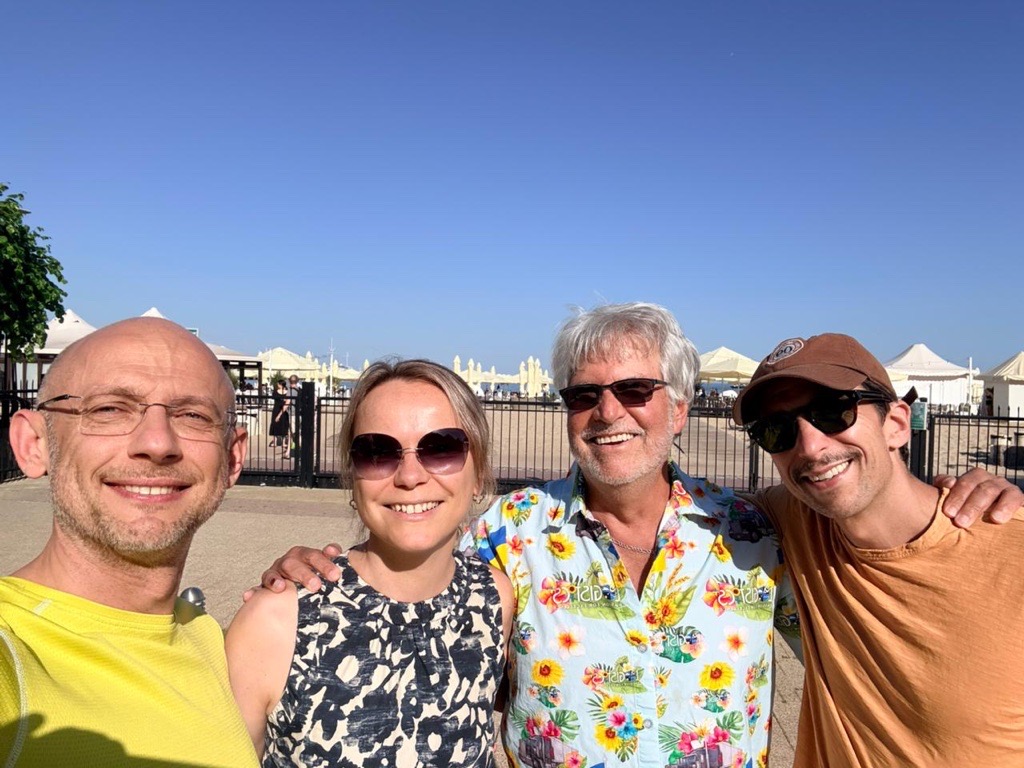
Petro & Oksana with Derek and I enjoying a relaxing afternoon.
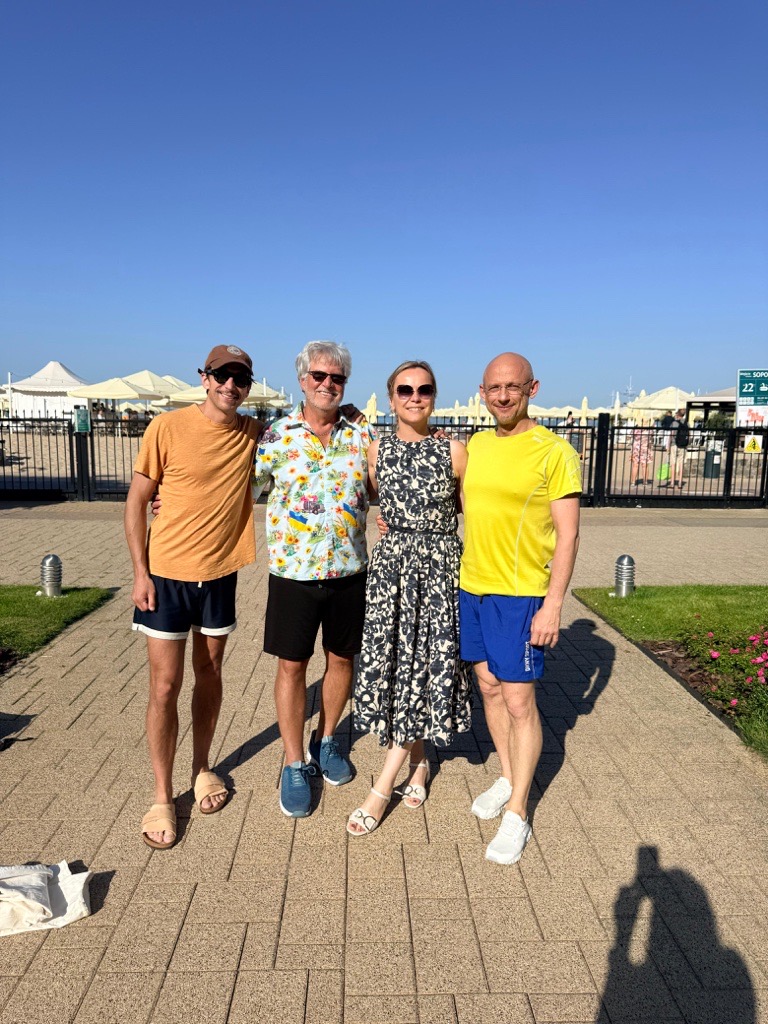
We took this picture. Then Oksana decided to have some AI fun 😉
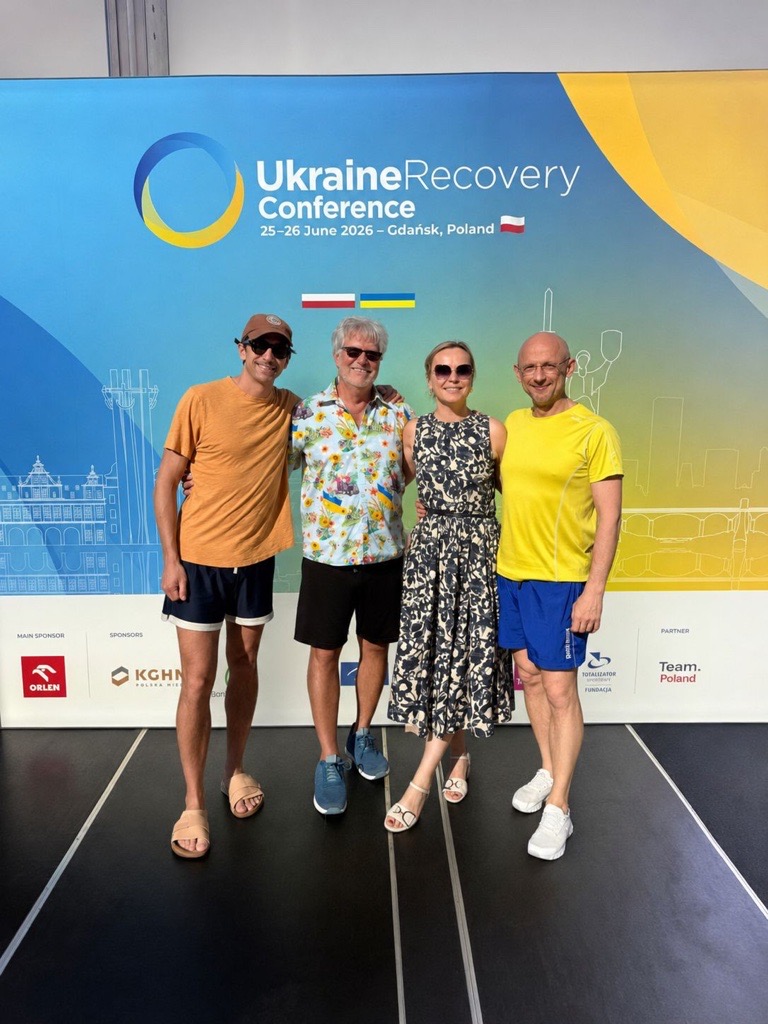
She turned it into this picture
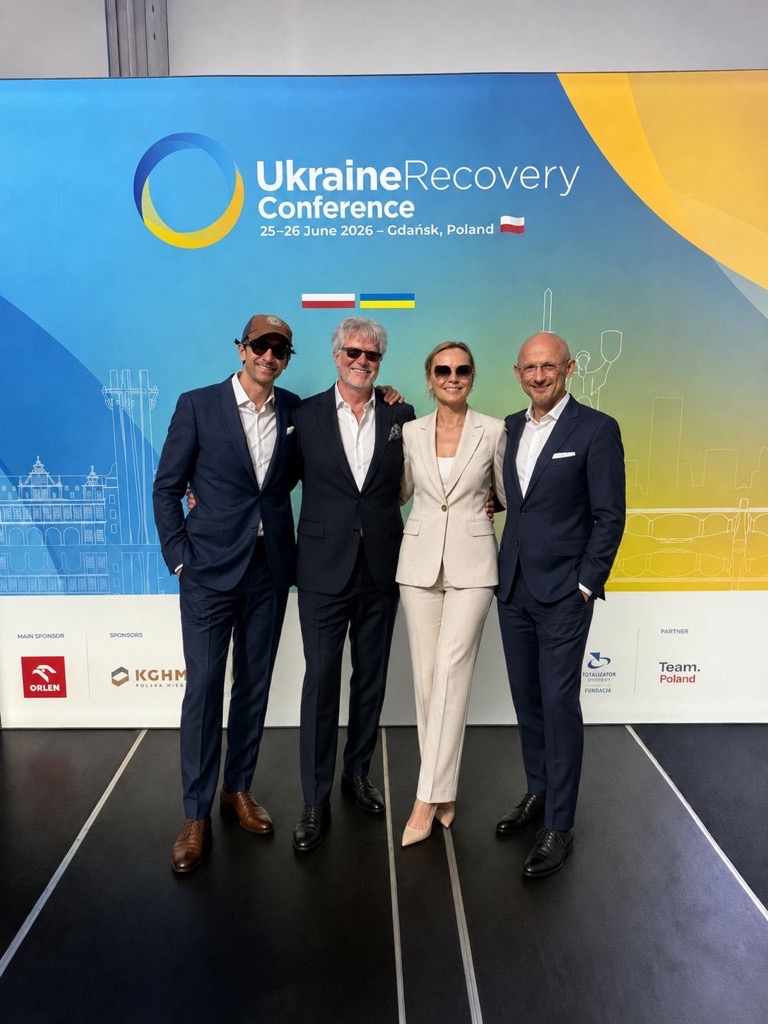
Then dressed us up, and put us back into the conference hall in this picture
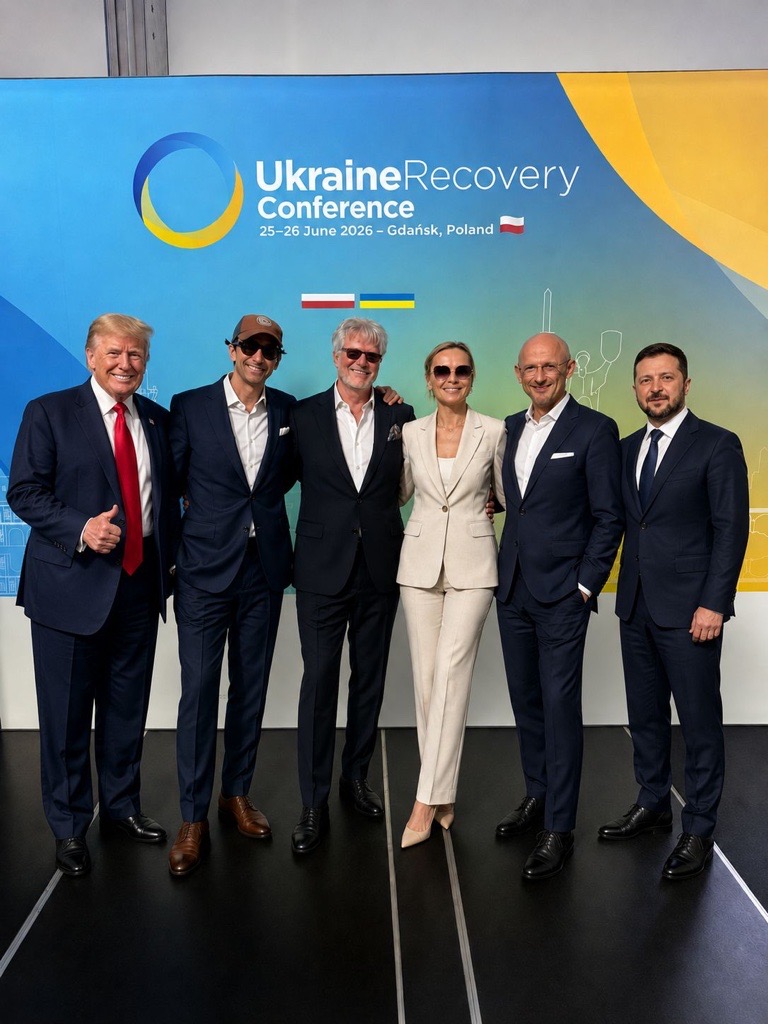
Then added a couple of “friends” at the conference
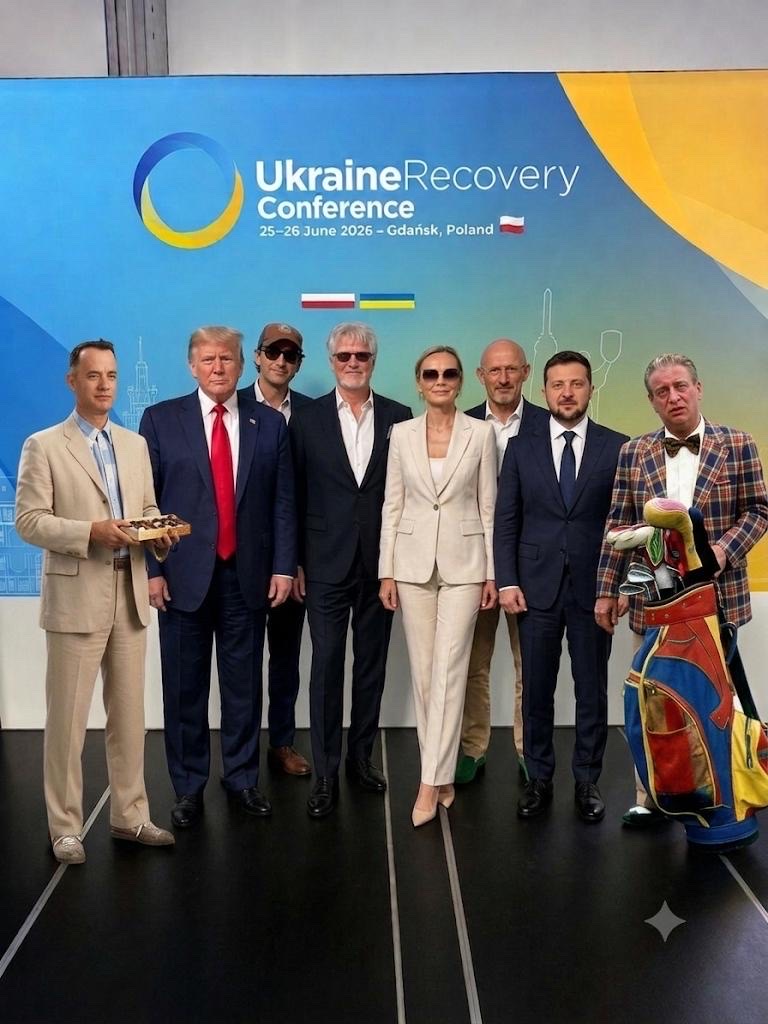
Then had Tom Hanks and Rodney Dangerfield join us
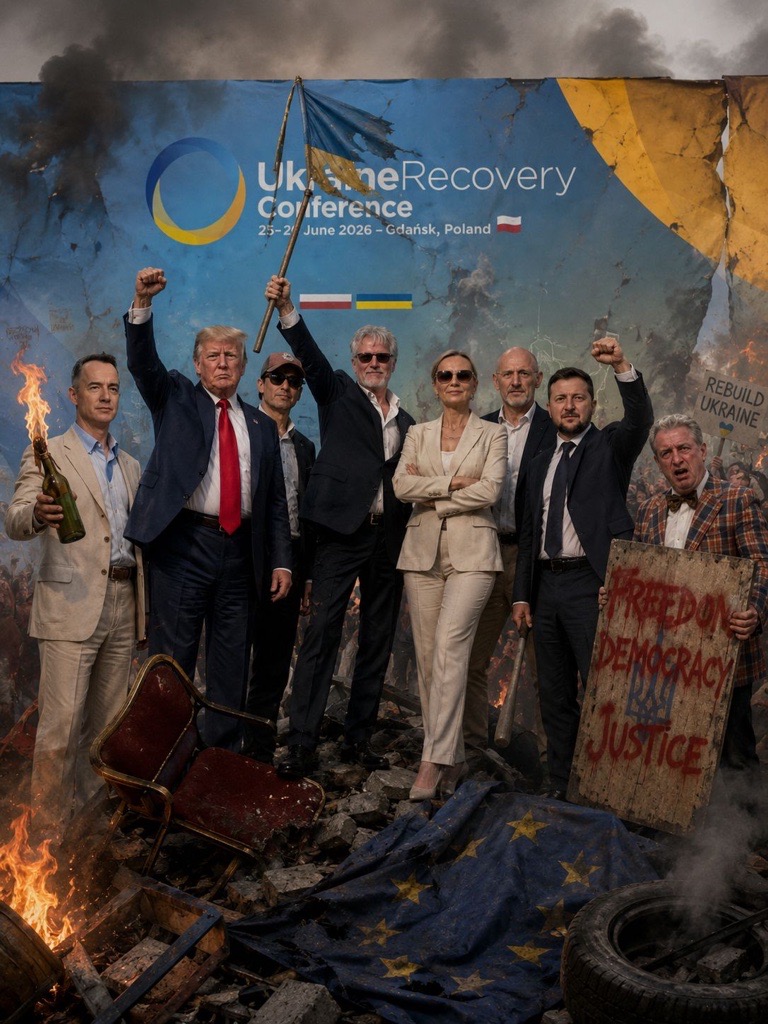
And then we all celebrated! And these were all done in minutes while sitting at a table under an umbrella by the beach having dinner. CRAZY!!
I’m definitely not a tech guy. I was an early adopter of computers and the internet, but I have zero technical skills—you can ask Andrew, Keith, Emile, or Tony! 😂 I’m still trying to figure out how those two tin cans connected by a waxed string actually work.
That said, I have become a huge fan of ChatGPT. I use it every day, and I think artificial intelligence is going to change the world in ways we’re only beginning to understand.
What amazed me was watching Oksana create these images. She did it in just a few minutes, and it looked almost effortless.
If this is where the technology is today, imagine where it will be in another year…or five.
All I can say is…
Buckle up. 😉
Onward! -JB
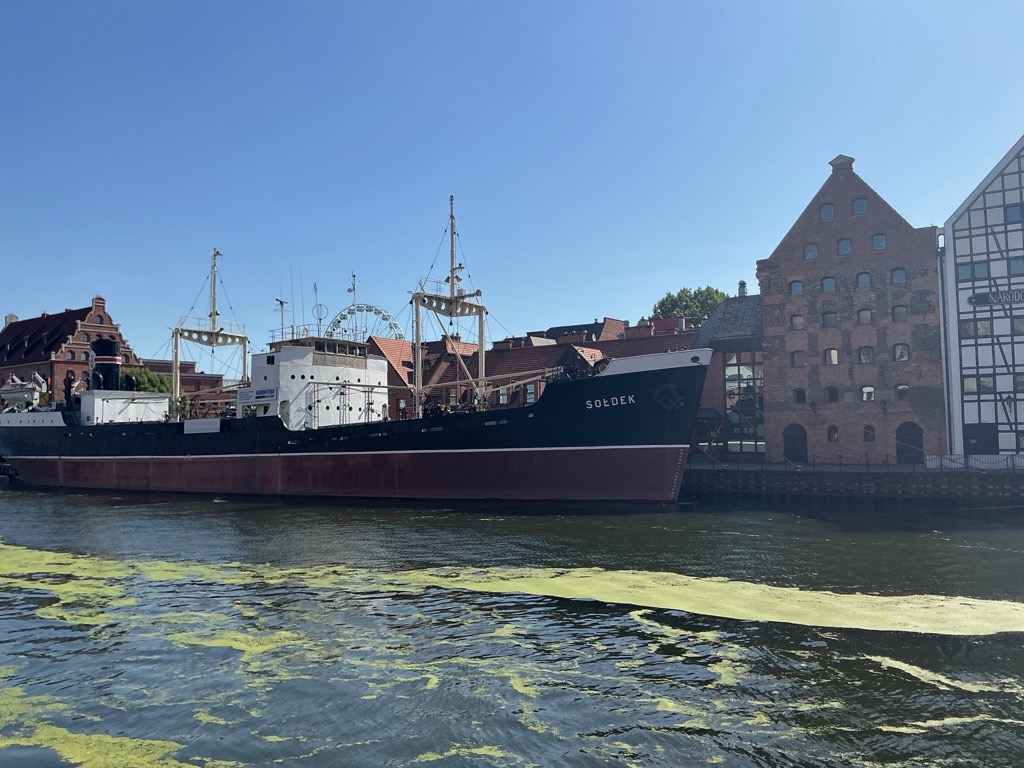
Farewell, Gdansk.
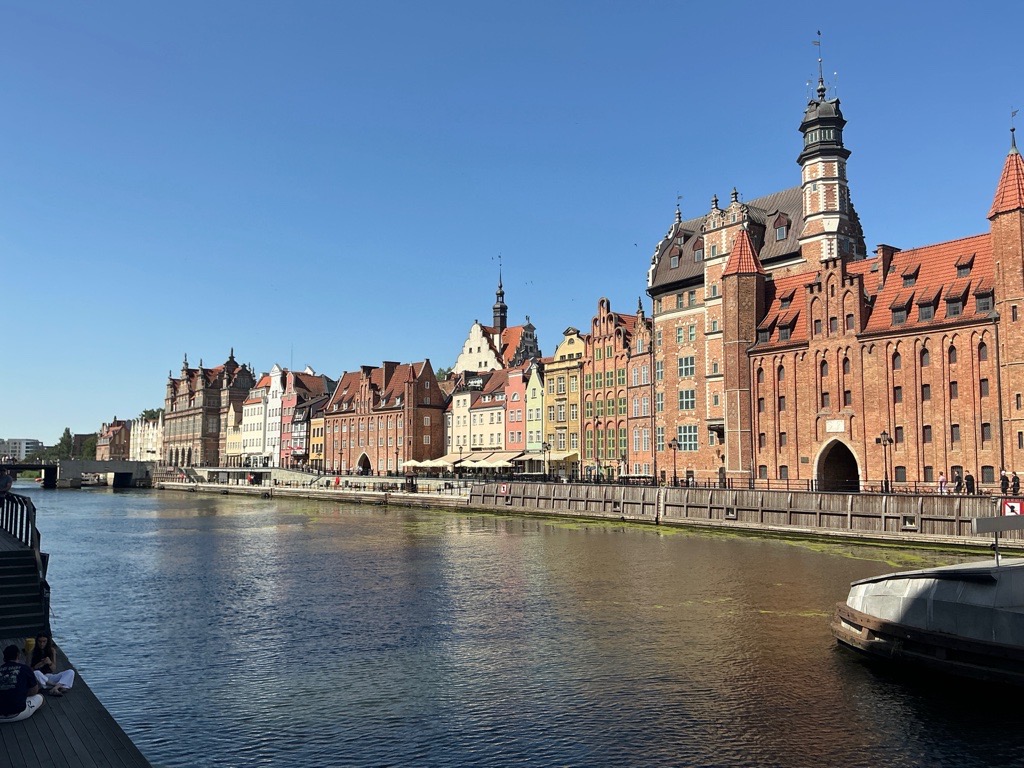
A fairy tale city. I hope to come back again one day.