
Why “more space” isn’t the goal—network flexibility is.
For Fortune 1000 manufacturers and distributors, warehousing is no longer just a place to store inventory. It’s a performance engine that influences service levels, cash flow, resiliency, and total landed cost. Yet many enterprises are facing the same constraints: labor pressures, rising customer expectations, shifting inventory strategies, and the need to respond quickly when demand or supply conditions change.
That’s why more organizations are turning to outsourced warehousing solutions—not simply to find capacity, but to gain flexible, scalable execution without taking on the fixed cost and complexity of expanding their internal footprint.
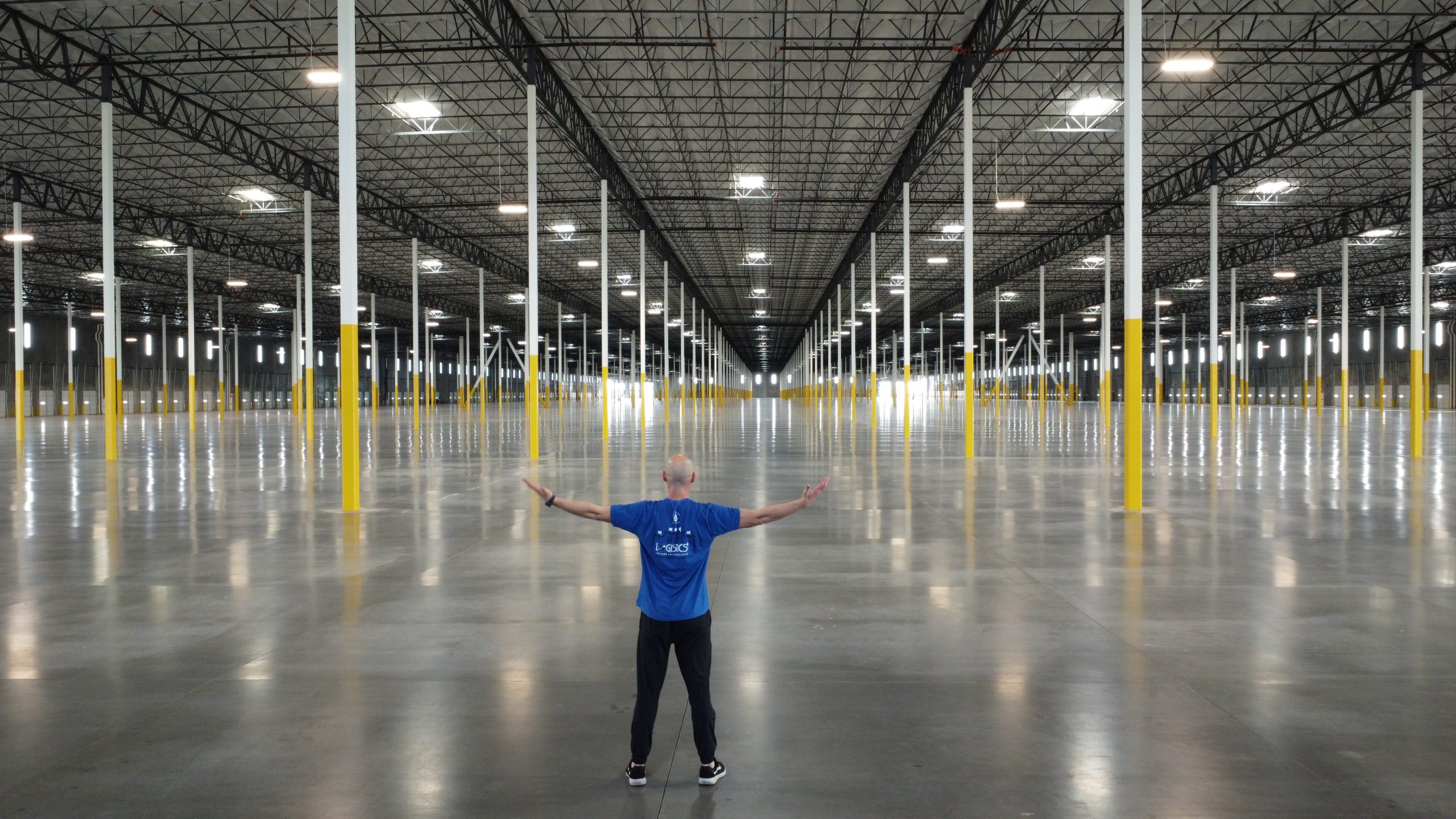
1) The market is shifting from “warehouses” to warehouse networks
Enterprise shippers are increasingly optimizing networks, not single buildings. The goal is to place inventory closer to demand, reduce transportation spend, shorten lead times, and build resilience into distribution—particularly during seasonal surges, promotions, port disruptions, and supplier variability.
In practice, that means many Fortune 1000 organizations are adding:
- Regional overflow capacity for peak periods
- Multi-node fulfillment to improve delivery performance
- Staging and transload options to reduce congestion and dwell time
- Flexible contract models that allow for volume swings
This is one reason 3PLs continue to grow in importance as companies outsource more operational complexity, including fulfillment and returns
Where Logistics Plus fits: Logistics Plus describes a North American warehousing network of over 11 million square feet (plus additional warehousing worldwide), designed to be “just the right size, in just the right place, for just the right length of time.”
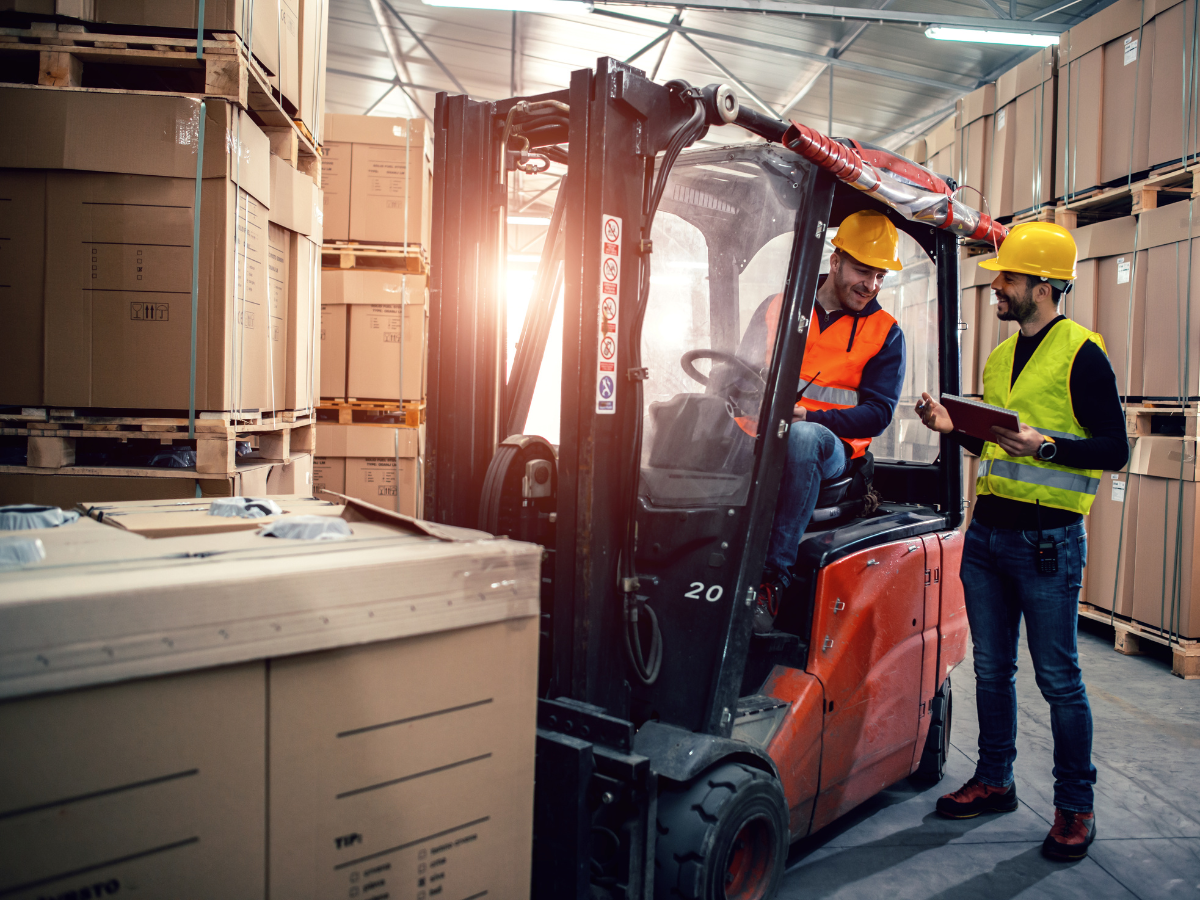
2) Warehouse labor constraints are accelerating investment in process and technology
Even companies with strong operational discipline are finding that labor availability and cost can change the economics of in-house warehousing. That’s driving renewed emphasis on:
- Standardized processes
- Measurable KPIs and continuous improvement
- Modern labor management approaches
- Technology that makes operations less dependent on scarce labor
Industry outlook coverage continues to highlight labor tightness and efficiency pressure as drivers behind warehouse modernization and automation adoption.
Where Logistics Plus fits: For enterprise customers, the differentiator isn’t “can you warehouse product?”—it’s whether the 3PL can engineer consistent execution across multiple facilities while remaining responsive when requirements change.
3) WMS modernization is becoming a boardroom issue
Many enterprise shippers are discovering that their current WMS environment can’t keep up with new demands—especially in integration, visibility, and automation support. Industry reporting on “next-gen WMS” emphasizes scalability, adaptability, and readiness for AI/automation integrations as critical requirements.
What to ask a 3PL (enterprise-ready tech questions):
- Do your technology solutions integrate with our ERP, OMS, TMS, and carrier stack?
- Do you support EDI/API connections and customer-specific reporting?
- How do you handle inventory accuracy, cycle counts, and traceability?
- What visibility do we get (real-time dashboards, exception alerts, KPIs)?
Where Logistics Plus fits: In warehousing evaluations, LP’s value proposition is positioned as operations-first—solving warehousing challenges in “the real world,” supported by systems and reporting that match enterprise governance needs.
4) “Speed to deploy” is now a differentiator
Fortune 1000 logistics teams are increasingly measured on how quickly they can respond to disruption—without sacrificing compliance or performance. Outsourced warehousing solutions can support:
- Fast overflow capacity during peaks
- Contingency plans for supplier delays
- New product launches and promotions
- Market expansions and new customer onboarding
Where Logistics Plus fits: Logistics Plus can implement warehousing solutions quickly (engineering, labor, process, systems integration), not just offer a rate.
5) The best 3PL partners combine scale and agility
Enterprise shippers often feel stuck choosing between:
- Very large providers that can be slow, rigid, or standardized, and
- Smaller providers that are nimble but limited in network reach or capacity
A strong outsourced warehousing partner bridges that gap: enterprise-grade capability with a hands-on operating model.
Where Logistics Plus fits: The Logistics Plus North American footprint (11M+ sq ft) aligns with scaling expectations, while the company’s positioning emphasizes tailoring solutions to business needs and time horizons rather than forcing “one-size-fits-all” programs.

How to Choose an Outsourced Warehousing Partner
(Fortune 1000 Checklist)
- Network fit
- Do they have the facilities you need—now and in the future?
- Can they support multi-region distribution and growth?
- Operational capability
- Receiving, putaway, storage, pick/pack, outbound
- Cross-dock/transload
- Value-added services (labeling, kitting, light assembly)
- Returns processing (if needed)
- Governance and performance
- SLAs, KPIs, business reviews
- Inventory accuracy and cycle count programs
- Quality and compliance standards
- Technology integration
- WMS visibility and reporting
- ERP/OMS/TMS integration options
- Security posture and data reliability expectations (especially as AI and automation adoption grow)
- Commercial flexibility
- Scalability for peaks and promotions
- Contract structures that match volume reality
- Transparent cost drivers
Why Logistics Plus for Enterprise Warehousing?
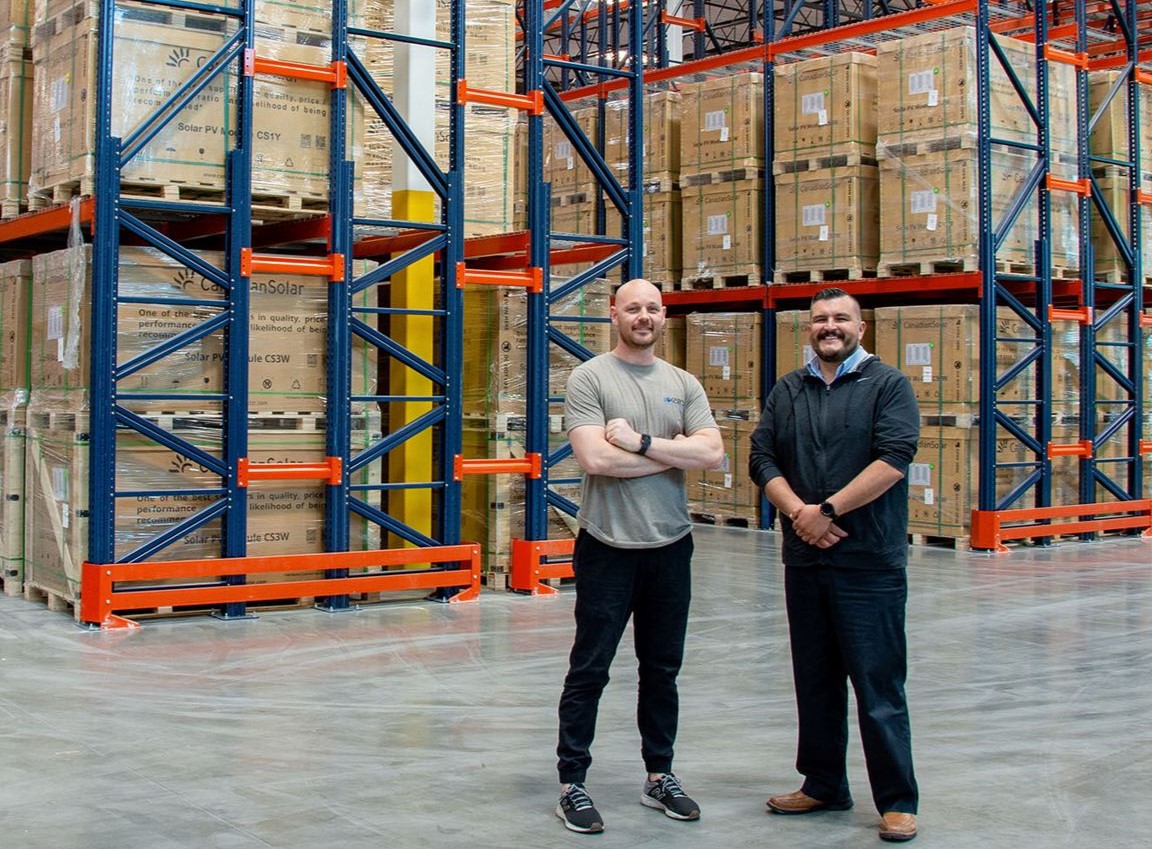 Logistics Plus provides warehousing and distribution services across North America, with over 11 million square feet of commercial warehouse space, plus additional global facilities, supporting customers who need flexible solutions and real-world execution.
For Fortune 1000 manufacturers and distributors, the ideal outcome is not just outsourced storage—it’s a warehousing program that improves service, lowers total cost, and scales with business change.
If your organization is evaluating outsourced warehousing solutions—for overflow, regional distribution, fulfillment, or network resilience—Logistics Plus can help assess your requirements and recommend a right-sized program for the right locations and timelines.
Talk to our warehousing team to review your network needs and identify capacity options.