by Ryan Markiewicz | Jun 26, 2026 | Berlin's Wall
All,
It’s been a very busy week, and I’m just grabbing a few minutes to try and summarize everything (apologies if I miss something 🙂).
The week began with the G7 Leaders’ Summit, where world leaders reaffirmed their support for Ukraine. That was followed by the Ukraine Recovery Conference, which brings together governments, financial institutions, and business leaders focused on Ukraine’s defense, recovery, and long-term reconstruction.
For the third consecutive year, LP has been one of just three U.S. companies representing American business at the conference, alongside Northrop Grumman and Palantir. Representatives from major global companies such as Siemens, Philips, and Vestas, as well as many of Ukraine’s leading businesses, also participated. It is a big deal, and Derek and I are honored to be part of it.
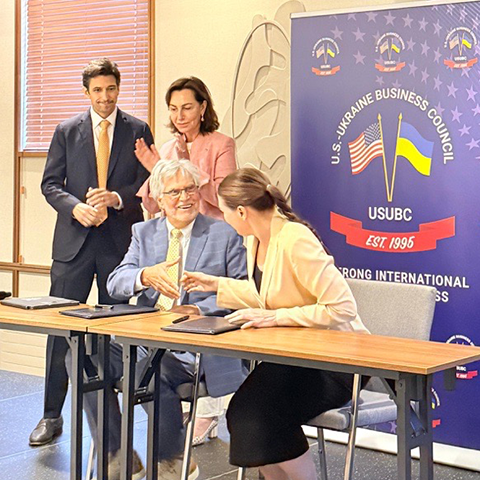
One of the highlights for us was signing an agreement with UkraineInvest, the investment promotion agency of the Ukrainian government. Through this partnership, UkraineInvest will open its first overseas office, located within the LP/Berlin Bridges office that Derek has established in downtown Manhattan. This will give the Ukrainian government closer access to U.S. businesses looking to explore opportunities in Ukraine.
The New York location is especially meaningful. Many of these discussions naturally happen in Washington, D.C., and Ukraine already has an important government presence there. But, as I mentioned during the signing ceremony, the United States has always been the Land of Opportunity, and New York City remains the financial capital of the country. As Ukraine increasingly becomes a land of opportunity itself, we’re hopeful this office will help facilitate conversations, partnerships, and investments that support both Ukraine’s defense today and its reconstruction tomorrow. 🤞
I also had the chance to visit with Slawek and our Gdańsk team and enjoy a quick dinner together. It’s always great spending time with our teams. I love their energy and spirit, and they’re continuing to grow. It’s amazing to think we’ve been in Poland for more than 25 years now. I still remember first meeting Paweł in Rzeszów, and I’m grateful he’s still such an important part of our efforts in Poland and across Europe.
We also attended a dinner hosted by our good friends at the U.S.-Ukraine Business Council (USUBC), where we were treated to a beautiful performance by Ukrainian Army veterans. During the evening, we were fortunate to win a painting created by one of the veterans during the charity auction. It was later signed by Oksana Markarova, the former Ukrainian Ambassador to the United States, and will hang proudly in our Kyiv office.
Finally, Derek and I were able to spend time this week with Petro and Oksana Fedorov, two of our favorite people, who continue to be deeply involved in supporting Ukraine and a number of other LP initiatives around the world. We truly have wonderful people at LP, and moments like these make me incredibly proud.
Heading back to the U.S. tomorrow. It was a good trip, and hopefully we continue to make a difference.
LP—Always punching above our weight. 💪
Onward! -JB
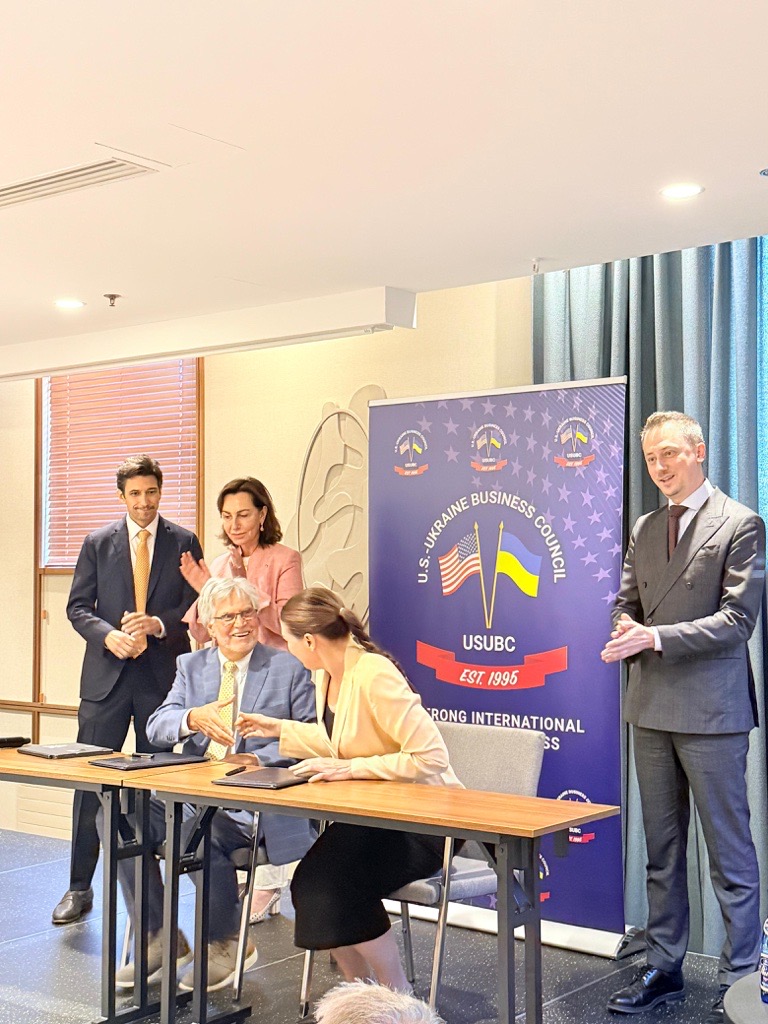
Signing the agreement with UkraineInvest to house their first US office in LP’s NYC office. This will make it much easier for American companies to connect and meet with the representatives of the Ukrainian government to explore potential business opportunities.
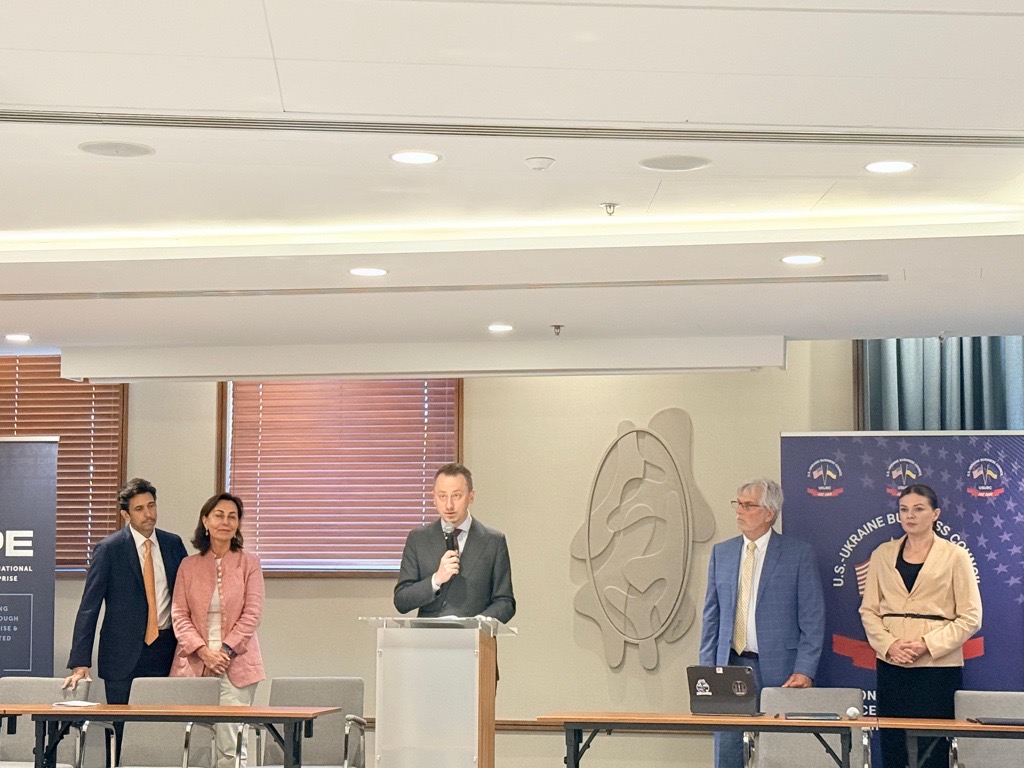
Oleksiy Sobolev, Minister of Economy, Environment and Agriculture of Ukraine. And a very good guy 👍
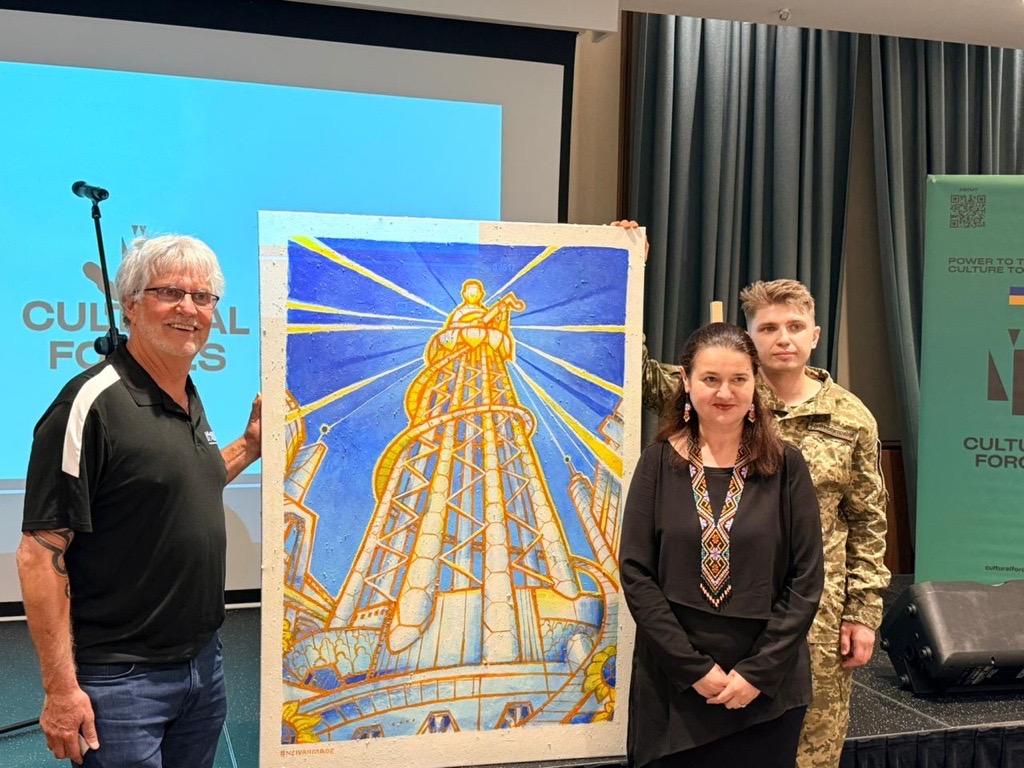
This is the painting we won at the auction here. Former Ambassador to the US. Painted by a Ukrainian soldier. Former Ambassador to the US, Oxana Markarova signed it. It will hang proudly in our Kyiv office.
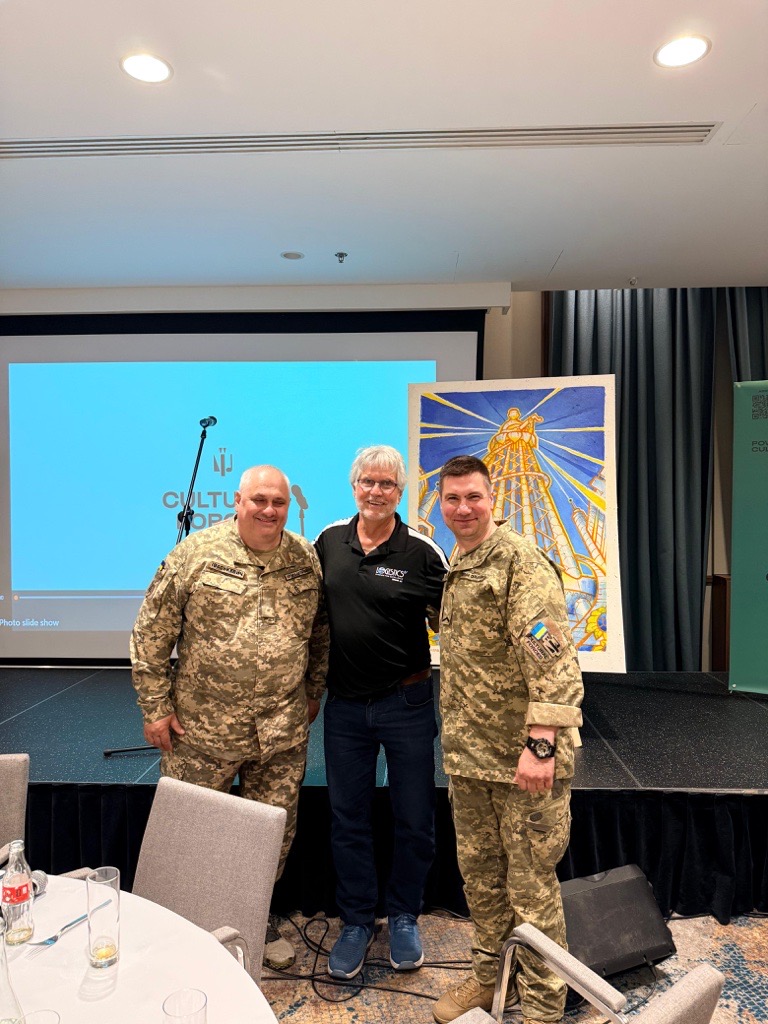
These veterans performed several beautiful musical pieces for the US-Ukraine Business Council members.
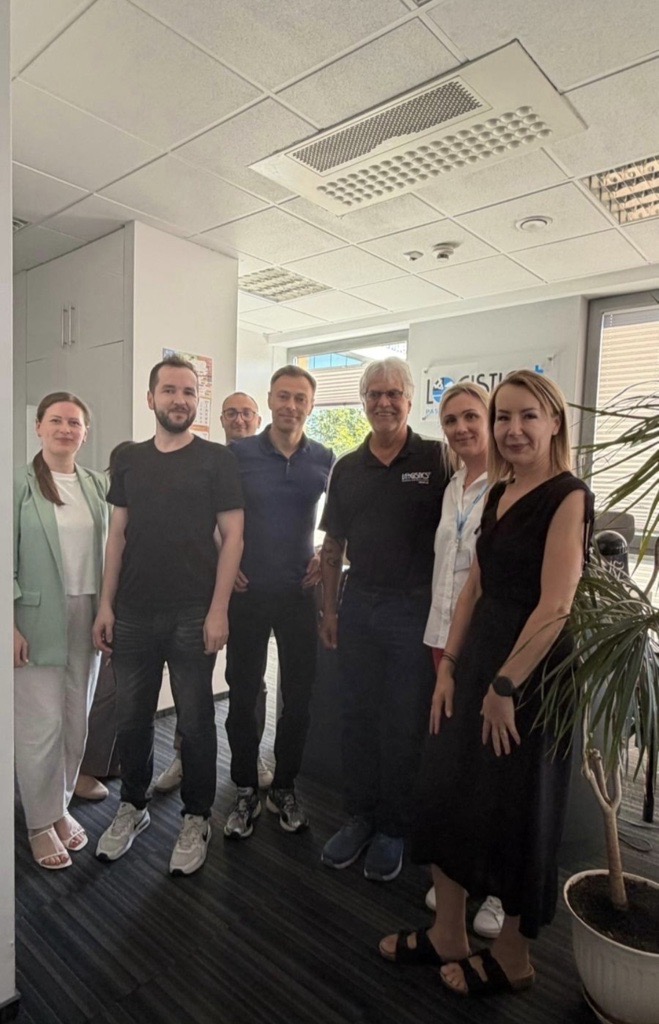
Though (as always) a crazy busy schedule, I got to visit our Gdansk office and have a nice dinner with the team there. Definitely one of the highlights of my trip 😊
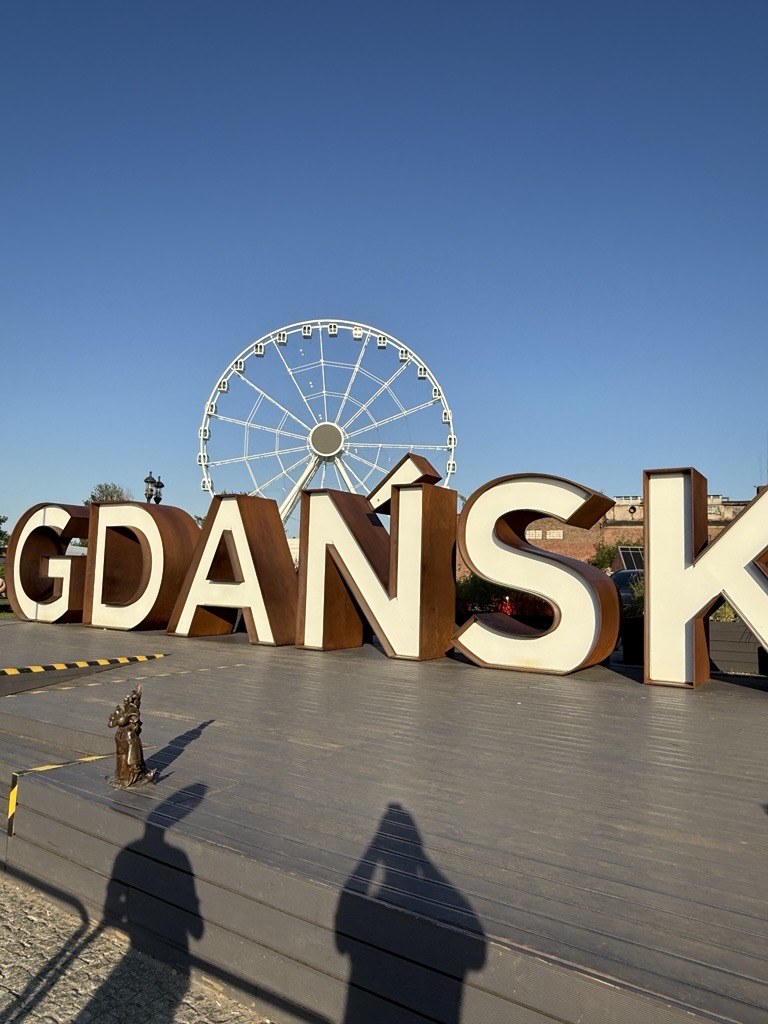
Gdansk.
This is where the beginning of the end of the old Soviet Union started with protests by the shipbuilders here led by Lech Walesa. At the start of the G7 session, Polish Prime Minister opened the conference with a video of that rebellion. And he made the very cogent point that “While the fight for our freedom and independence began right here in Gdansk, today it is the proud and heroic people of Ukraine who continue it”. True words!!!
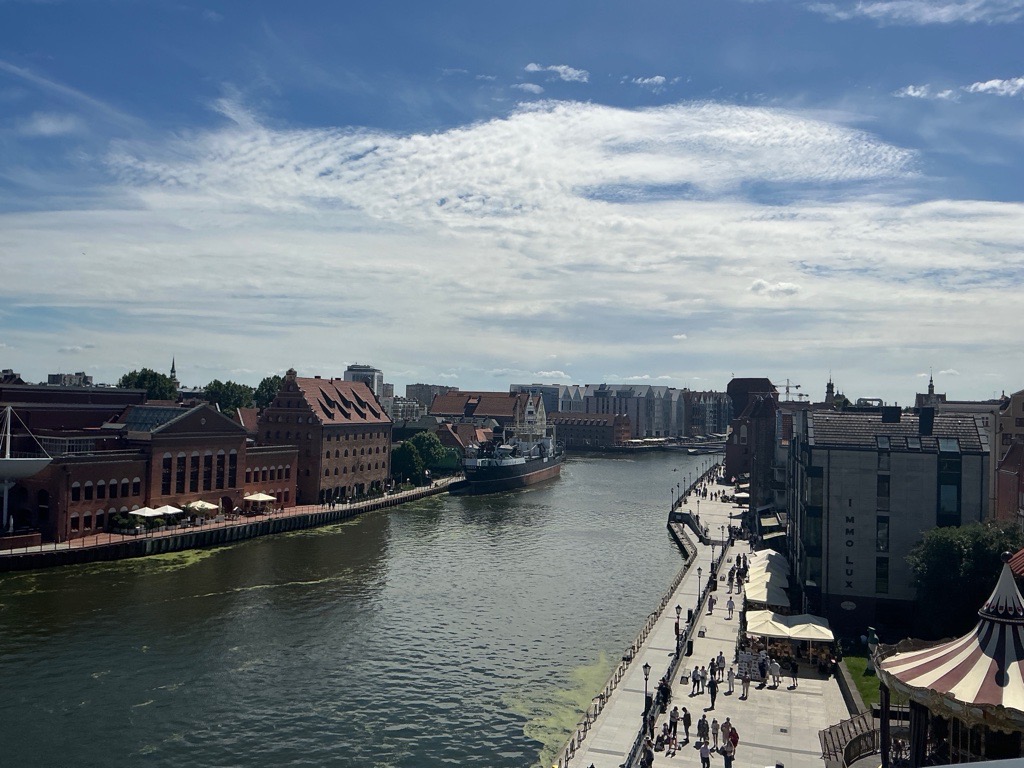
Gdansk, Poland. Looks like a fairy tale city.
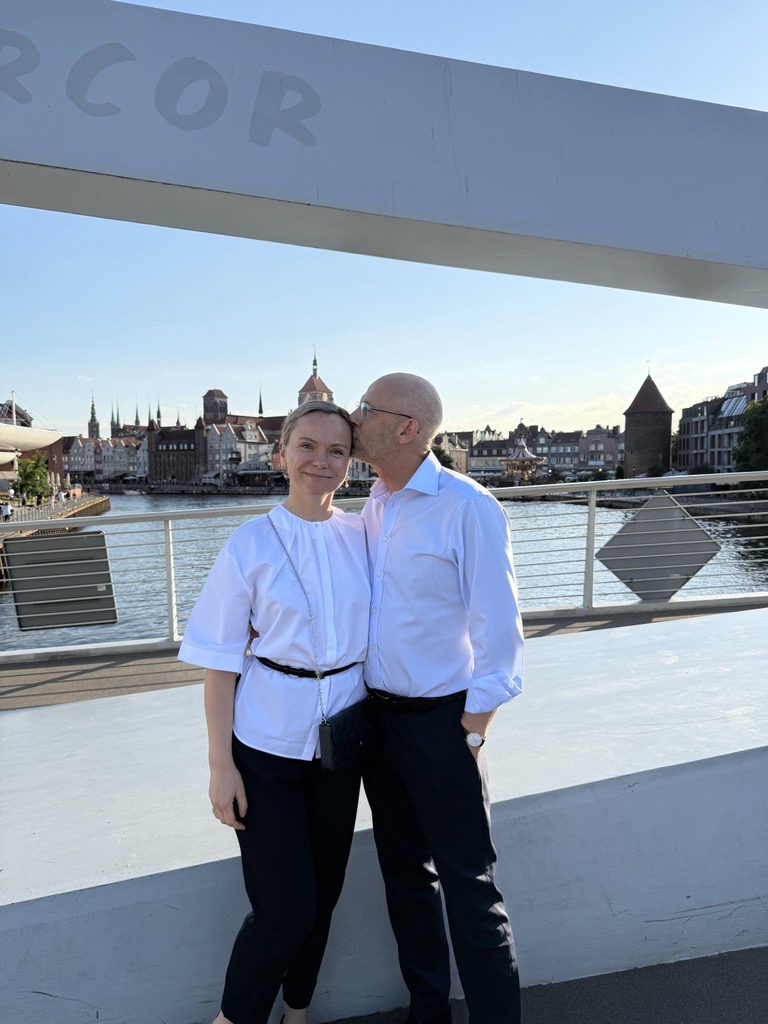
It’s always a real pleasure to be in Petro and Oxana’s company 🙂
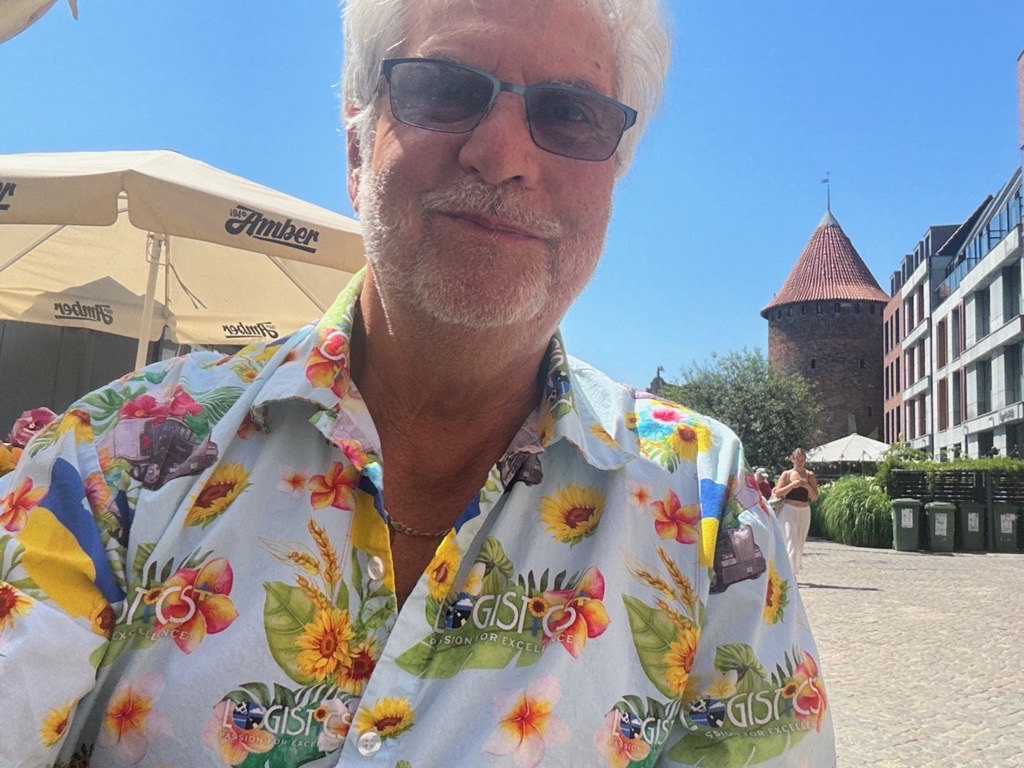
Proudly sporting the LP colors in Poland 🙂
by Ryan Markiewicz | Jun 25, 2026 | News
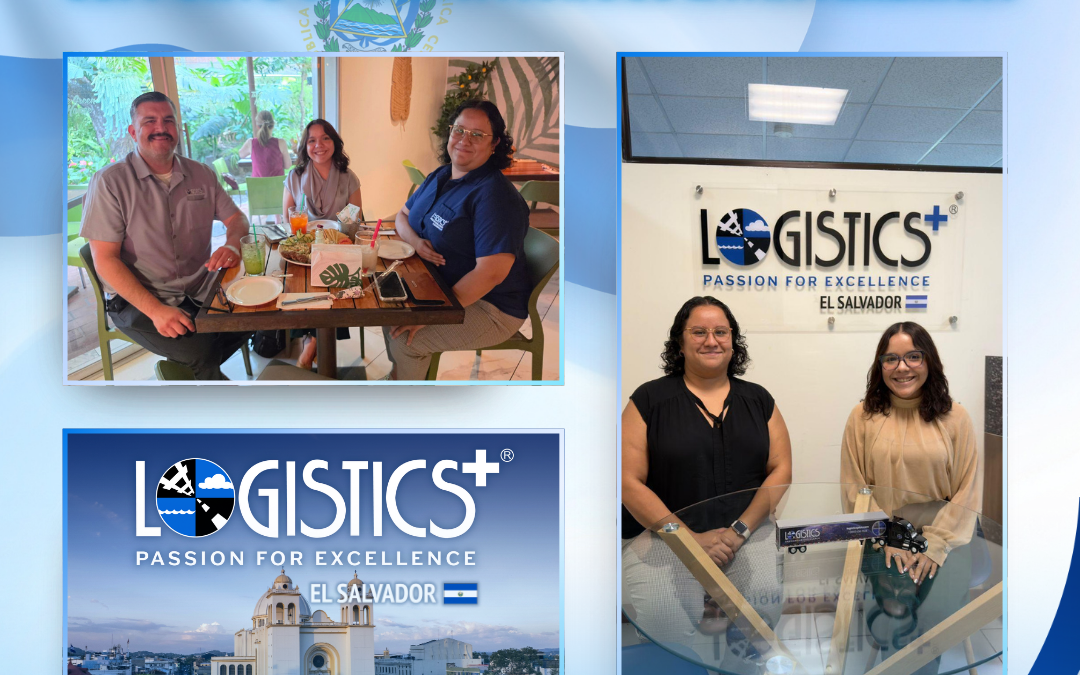
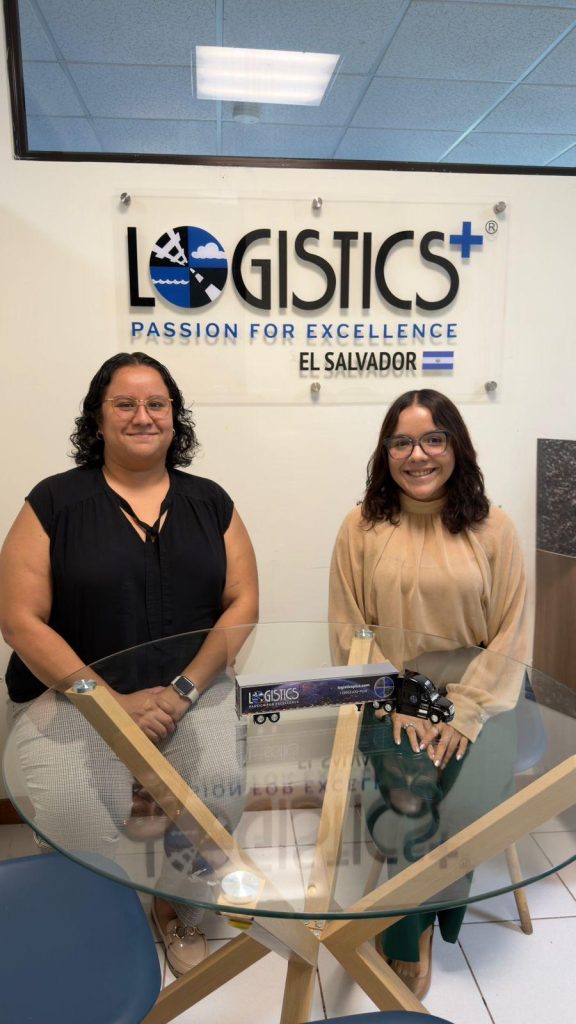 The Logistics Plus El Salvador (aka LP El Salvador) team has been fully operational since March 2026 and continues to strengthen the company’s presence throughout Central America. As Logistics Plus expands its global network, the El Salvador office serves as a strategic hub for supporting customers across the region with customized logistics and supply chain solutions.
LP El Salvador offers a comprehensive range of services, including:
- International Freight Forwarding
- Imports & Exports
- Customs & Compliance
- Project Cargo
- Regional Distribution
- Supply Chain Management
The office is led by Country Manager Alejandra Gonzalez, with Beatriz Marquez leading business development efforts. Together, they are focused on supporting customers across key industries, including energy, manufacturing, consumer goods, retail, and infrastructure projects.
El Salvador serves as an important gateway for regional and international trade. LP El Salvador further strengthens the Logistics Plus presence in Latin America, complementing recent investments in Mexico, ongoing growth in Brazil and Chile, and support from the company’s Miami operation. Whether serving as a 3PL or 4PL partner, Logistics Plus continues to provide flexible, customized solutions that help customers navigate increasingly complex supply chains throughout the Americas.
For any requests involving our El Salvador office, please email [email protected]. If you want to learn more, you can visit the Logistics Plus El Salvador website at sv.logisticsplus.com.

Logistics Plus, Inc. (El Salvador)
Boulevard del Hipódromo, pasaje 11, #73,
Colonia San Benito, San Salvador, El Salvador
by Ryan Markiewicz | Jun 2, 2026 | Testimonials
“Great work getting this delivered to our customer on time. It was a challenging task with virtually no float in the delivery schedule, and your team executed the plan flawlessly. We appreciate the dedication, communication, and effort that went into making this happen. Again, great work, and thank you for your support. We truly appreciate it!”
-Logistics & Procurement Manager for a Large-Scale Energy Company
by Ryan Markiewicz | May 27, 2026 | Berlin's Wall
All,
Got to spend the last two days here in Tokyo. Believe it or not, Tokyo is the largest city in the world, with a metropolitan population of approximately 37 million people.
Rank | City / Metro Area | Country | Approx. Population
1 | Tokyo | Japan | ~37 million
2 | Delhi | India | ~33 million
3 | Shanghai | China | ~30 million
4 | Dhaka | Bangladesh | ~24 million
5 | São Paulo | Brazil | ~23 million
6 | Mexico City | Mexico | ~22 million
7 | Cairo | Egypt | ~22 million
8 | Beijing | China | ~22 million
9 | Mumbai | India | ~21 million
10 | Osaka | Japan | ~19 million
But, as you would probably expect if you have been reading any of my blogs from Japan, it is an incredibly clean, friendly, and well-organized city. No horns honking. No chaos on the sidewalks or streets. Beautiful to look at and seemingly run with incredible efficiency.
This has been a great trip. Hong Kong, Taipei, and half a dozen Japanese cities. All of them interesting and well worth seeing. (And Viking does a GREAT job on these cruises. Always enjoyable.)
I would say, though, that the highlight of our trip was the day we got to spend with Take Hosomi and his wonderful girlfriend, Asuka.
They had planned to take us to see some Tokyo temples and shrines (Buddhist temples/Shinto shrines : ), but I suggested we just “hang out.” We had already seen lots of temples and shrines and really just wanted to experience the non-touristy parts of Tokyo. (And, honestly, I think Take was a bit relieved as well 😉)
So that is what we did. We wandered around, ate at some street vendors, and while Asuka and Hallie did some shopping, Take and I spent time just talking about work, life, and things in general.
I LOVE that the relationships I have always had with our country leaders and colleagues around the world have felt more like friendships than business relationships.
As Take said during our conversation, when you are lucky enough to work with people you genuinely like, it does not feel too much like work.
A thoroughly enjoyable day and, honestly, the highlight of our trip.
We look forward to repaying their hospitality someday when Take and Asuka are able to visit us in Erie or Long Island.
Thank you both.
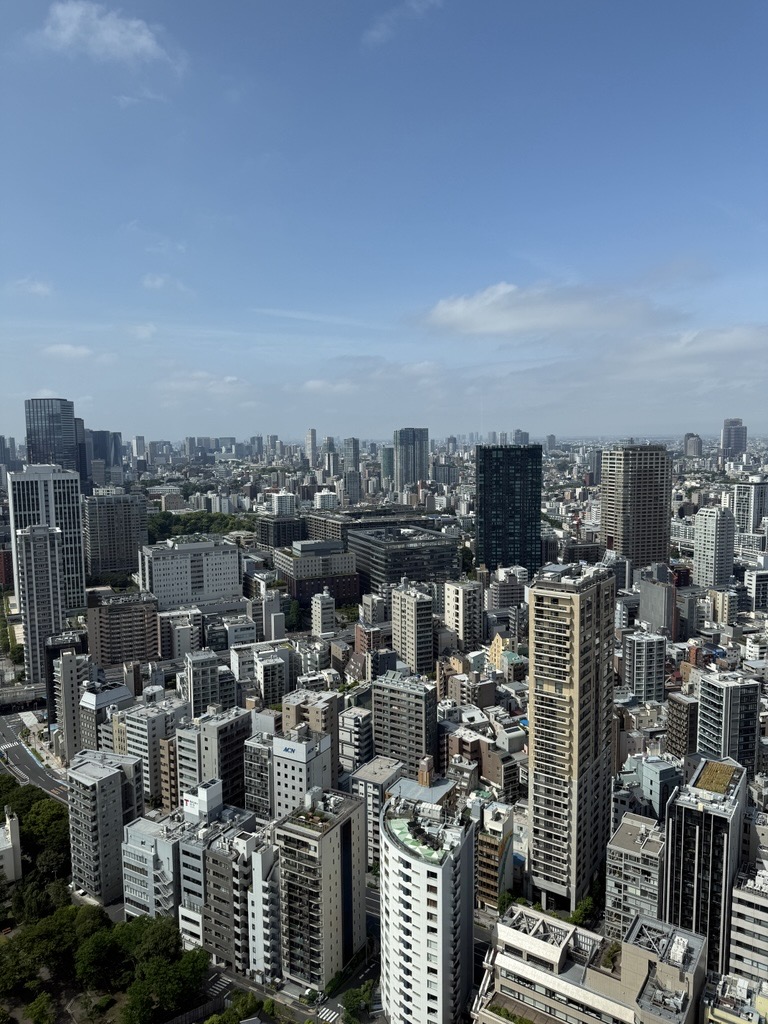
Tokyo – the biggest city in the world
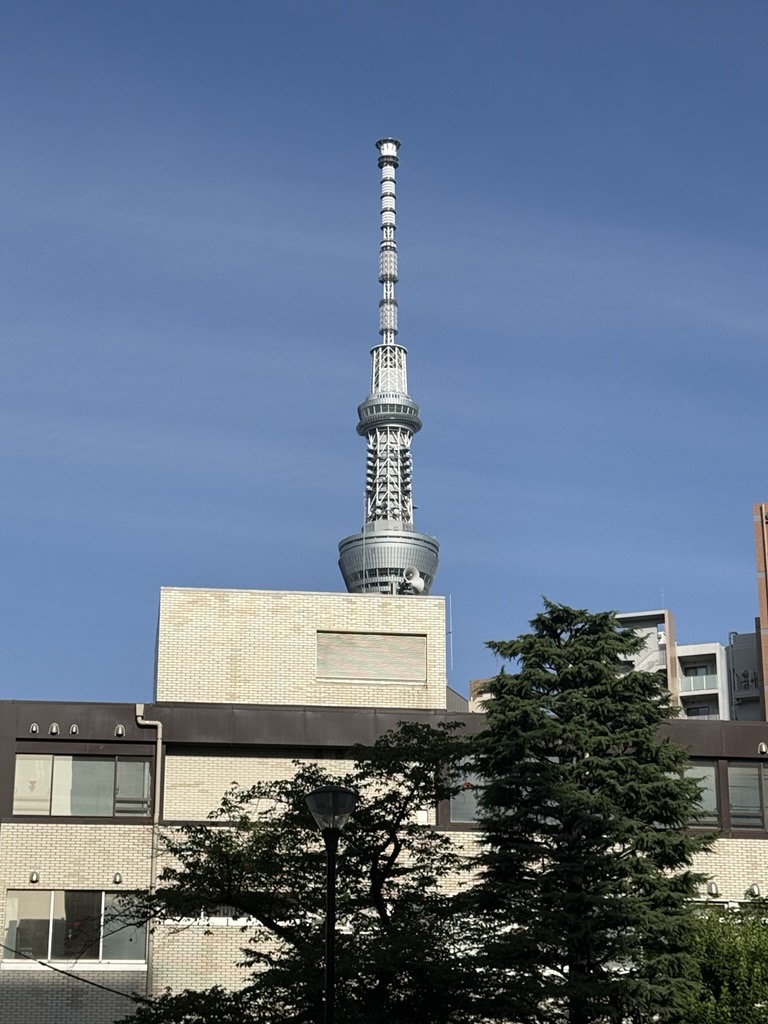
Tokyo Tower
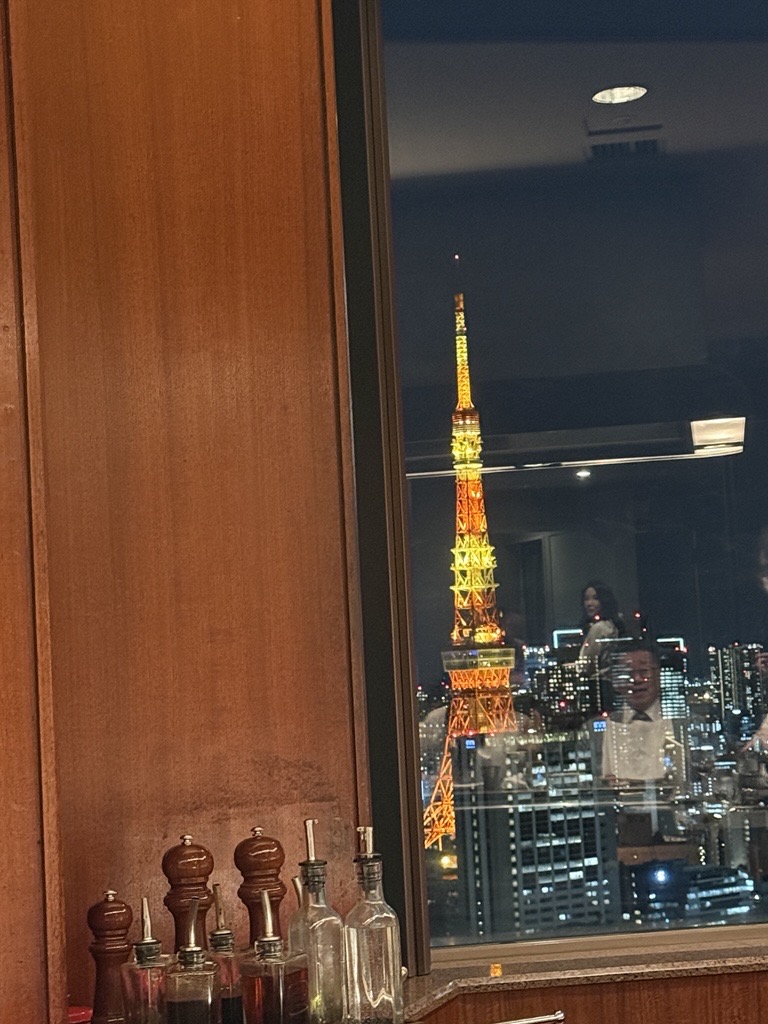
….and at night
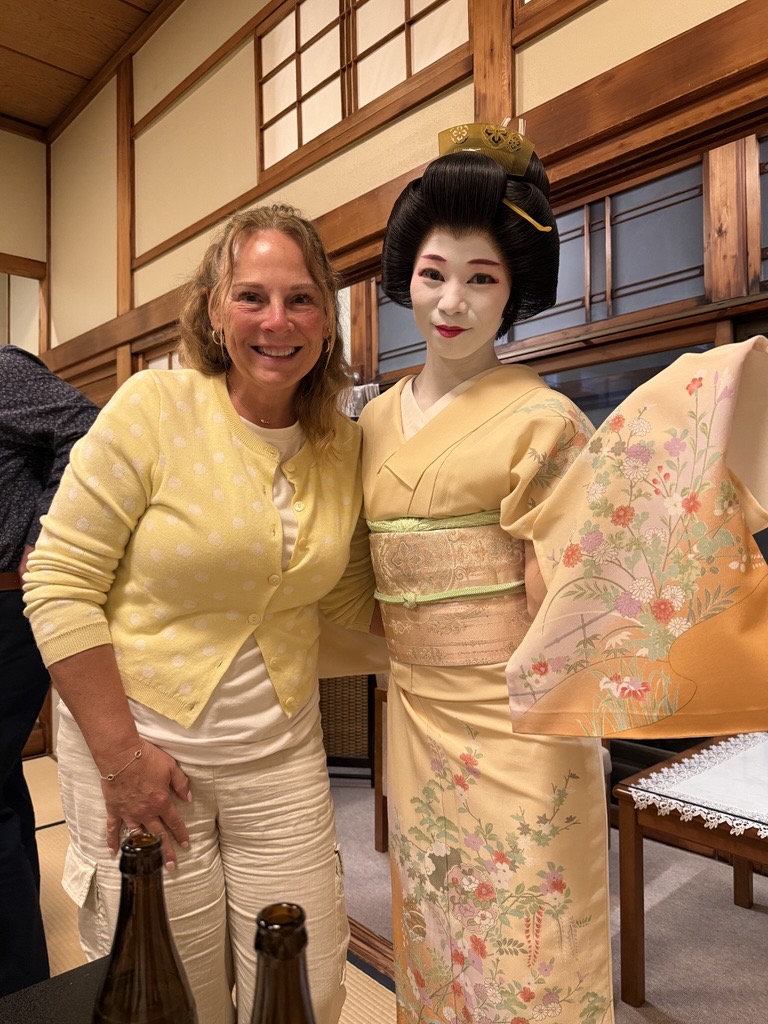
Which one is the real Geisha?
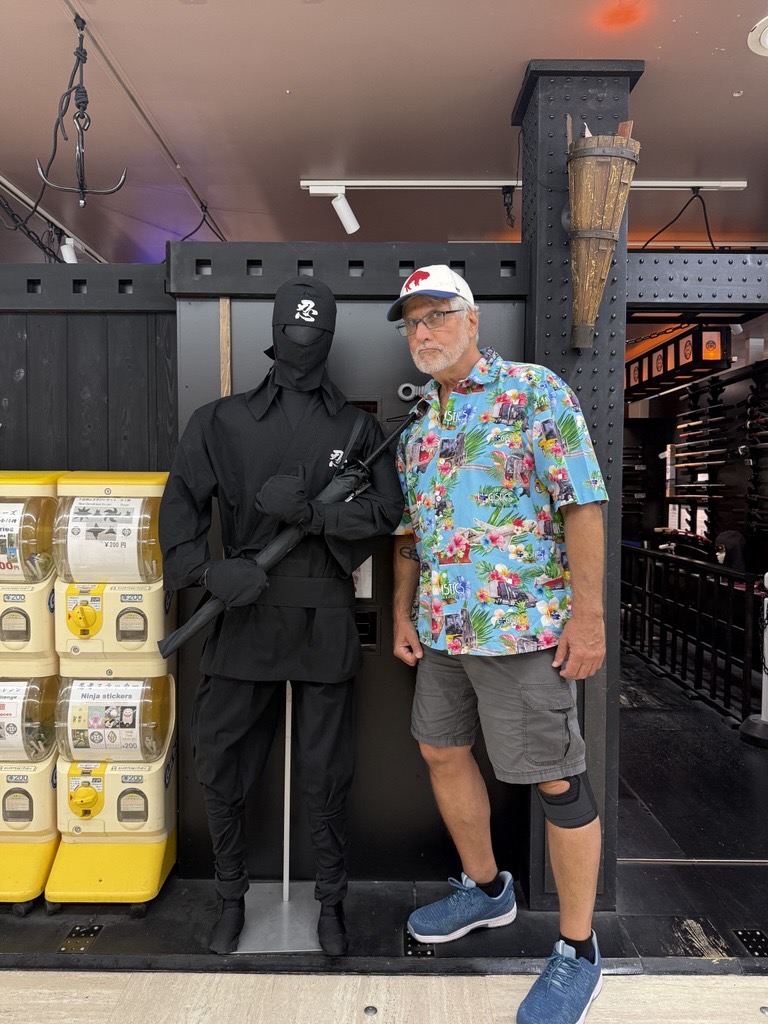
Guess which one is the real ninja?
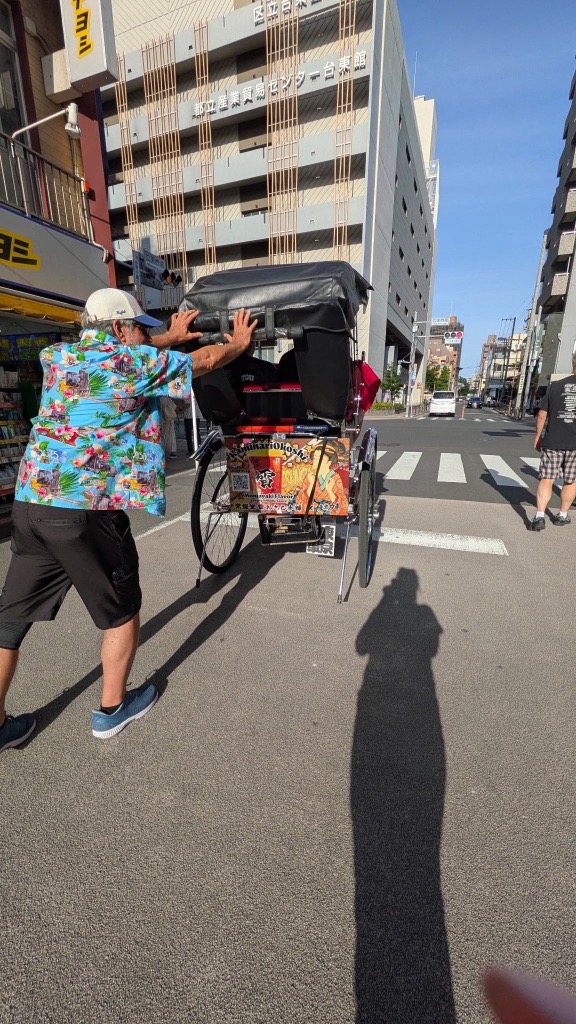
I think I may have been unclear of the concept
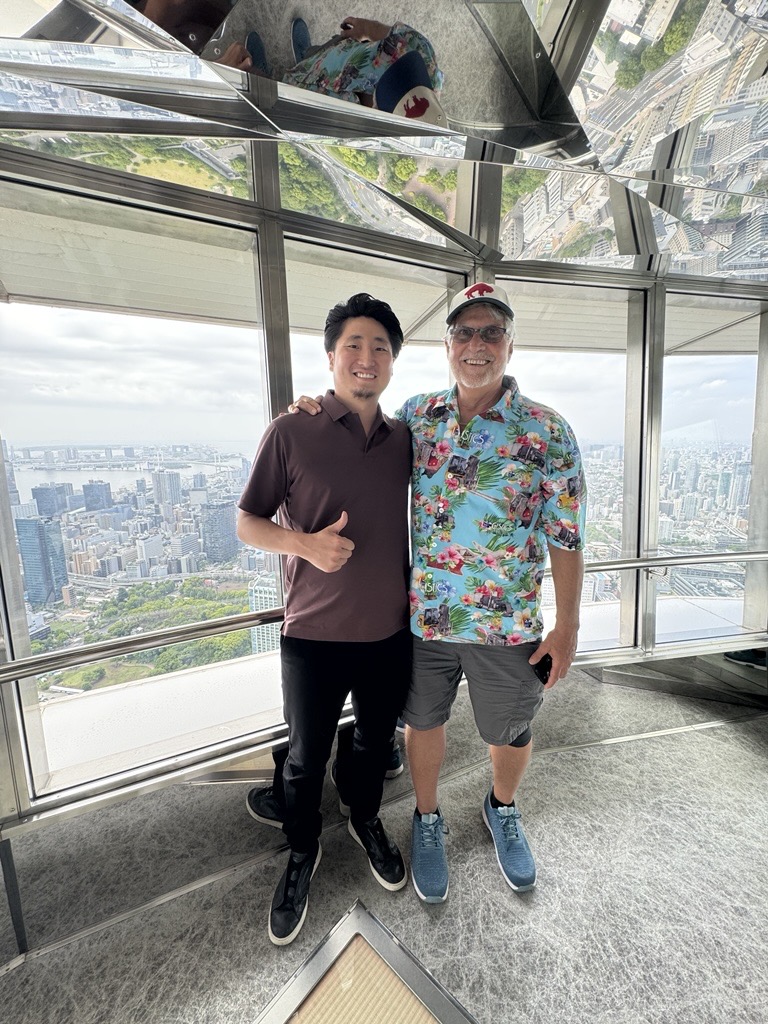
Take
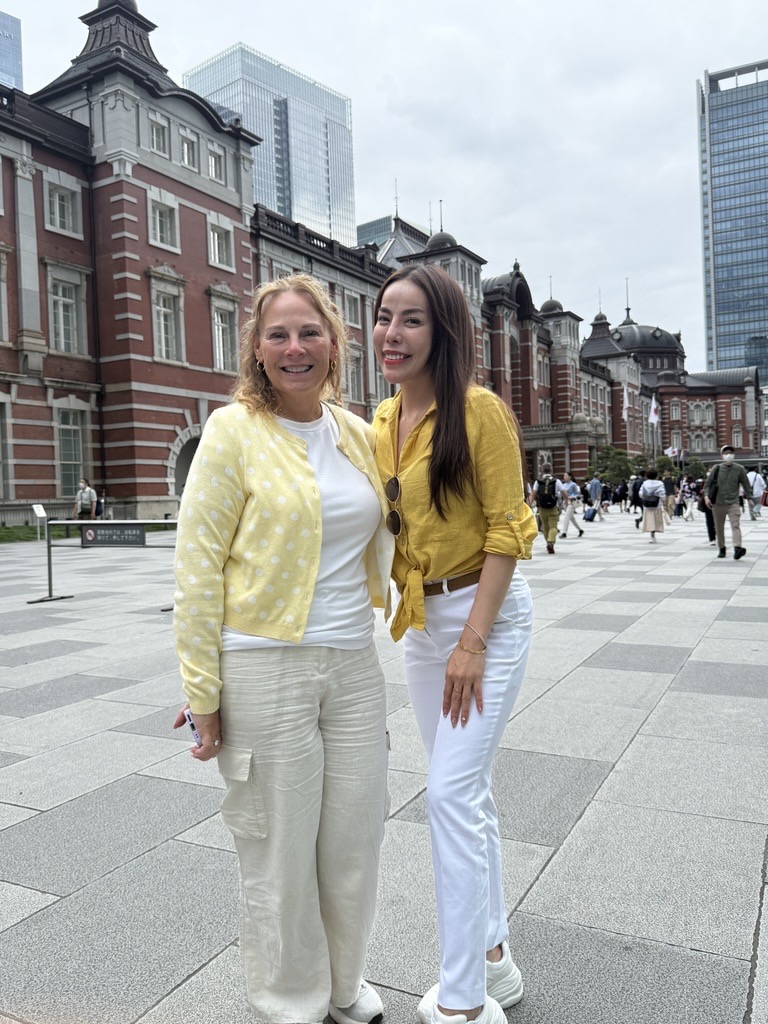
Asuka
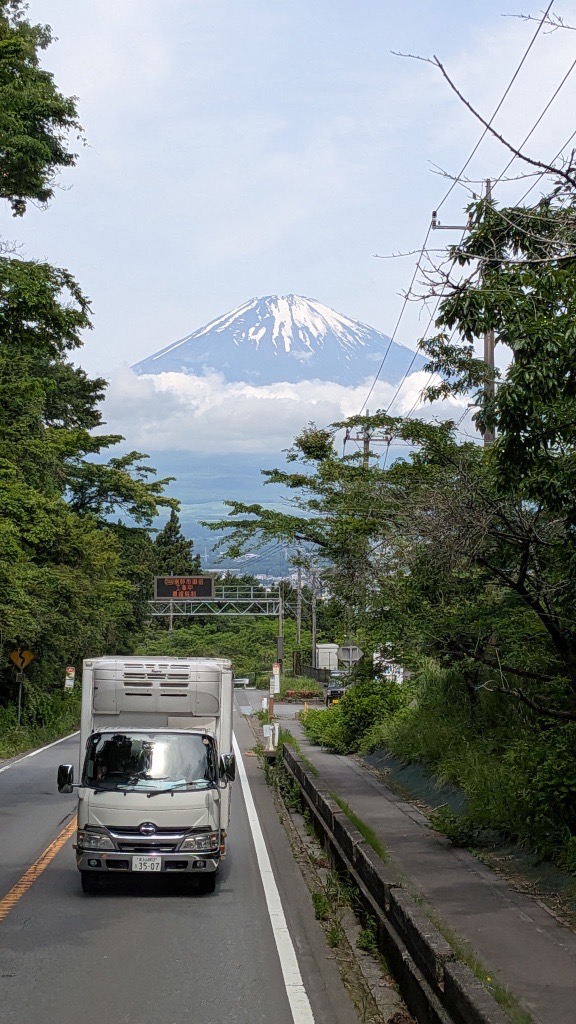
PS – We finally DID get to see Mt. Fuji from our bus on the way to a national park. So, it is NOT AI and really DOES exist 🙂
by Ryan Markiewicz | May 26, 2026 | Berlin's Wall
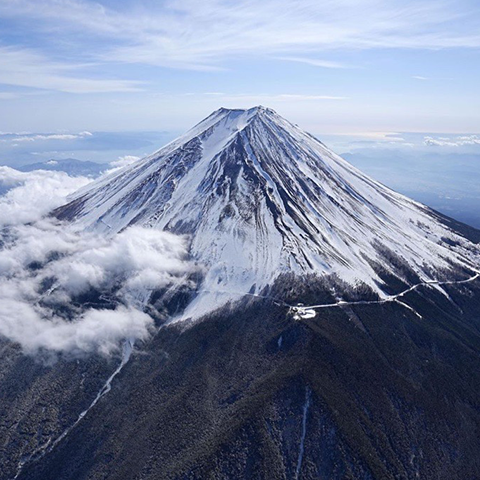
Mt. Fuji is the highest and most revered mountain in Japan. Today was our day to visit it, but since the weather was totally cloudy we did get to go on it, but never got to see it hahahahaha. So here are some pics we screenshot from websites and the local museum.
It was cool to drive there as Japan continues to amaze at how green everything is. If you think about it, it’s just a series of islands that are simply mountains jutting out of the Pacific Ocean. Japan is 70% mountainous, and everything is green—varying shades of green—really beautiful.
Enjoy the pictures. And the knowledge that you have seen as much of Mt Fuji as we did yesterday hahahahahahaa
Onward! -JB
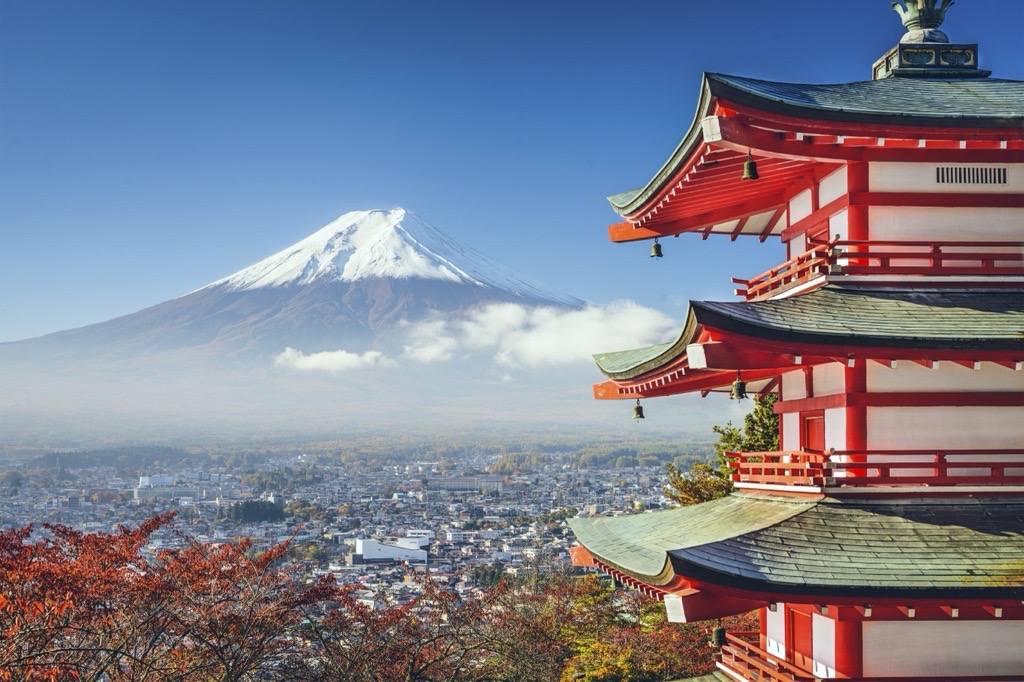
Mount Fuji is Japan’s highest and most iconic peak
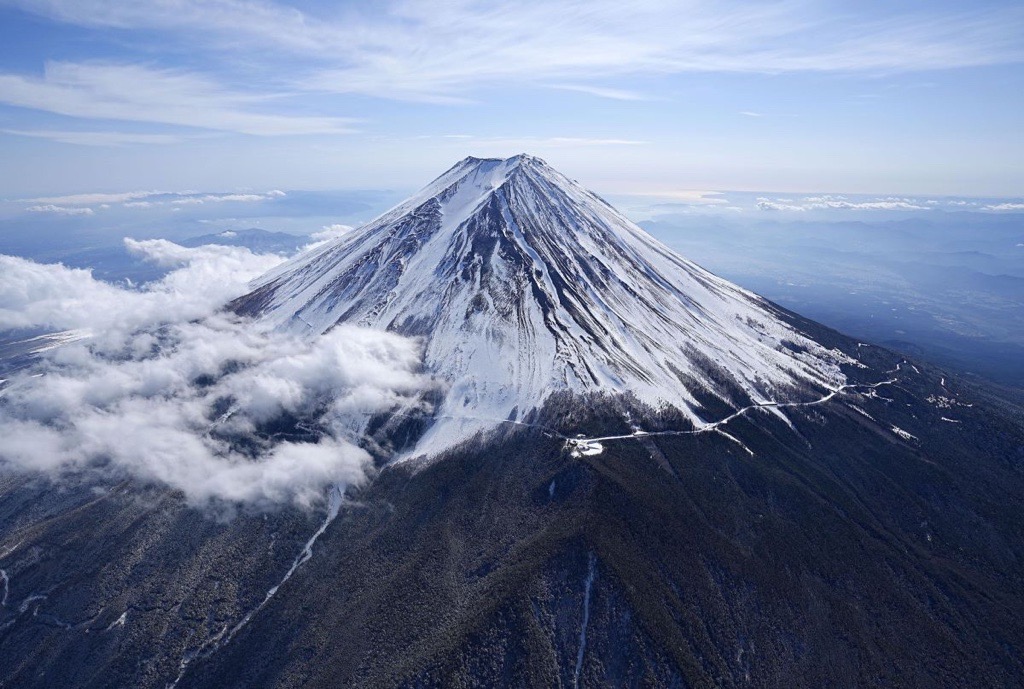
It remains deeply sacred and a major cultural and recreational destination
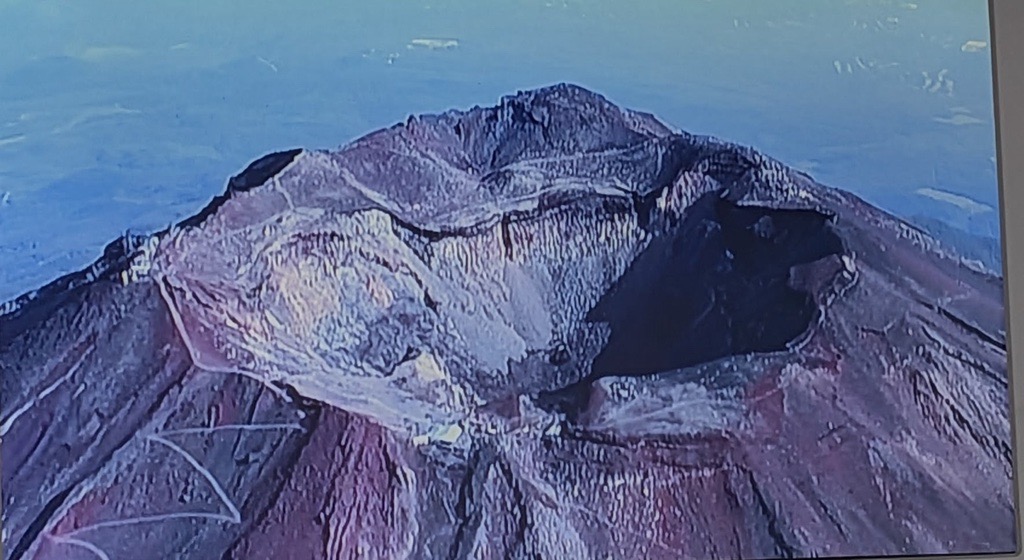
The crater atop Mt. Fuji. The volcano has been dormant since the last blast in 1707
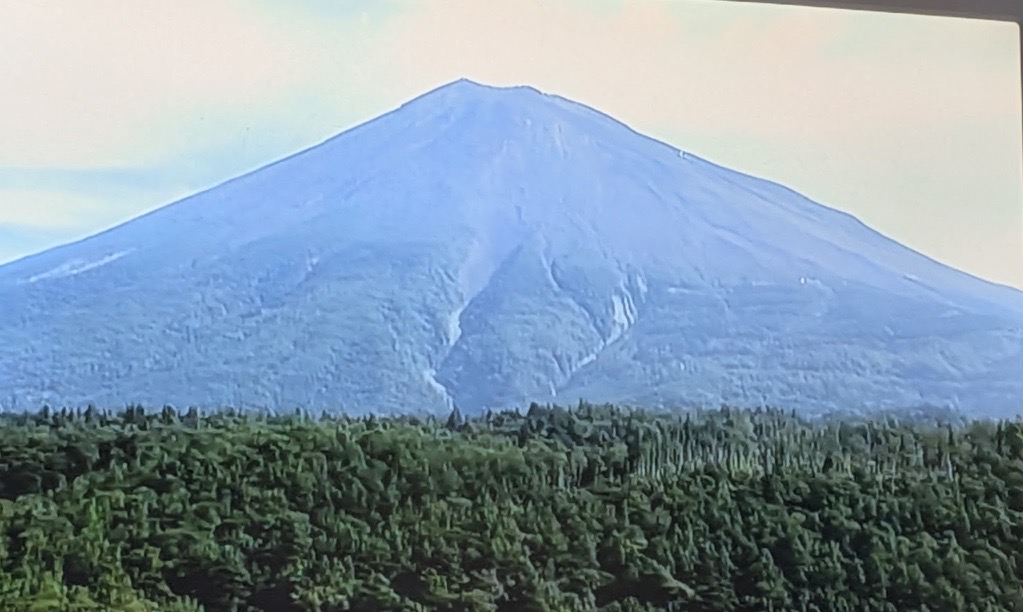
It is one of Japan’s three holy mountains (along with Mt. Tate and Mt. Haku)
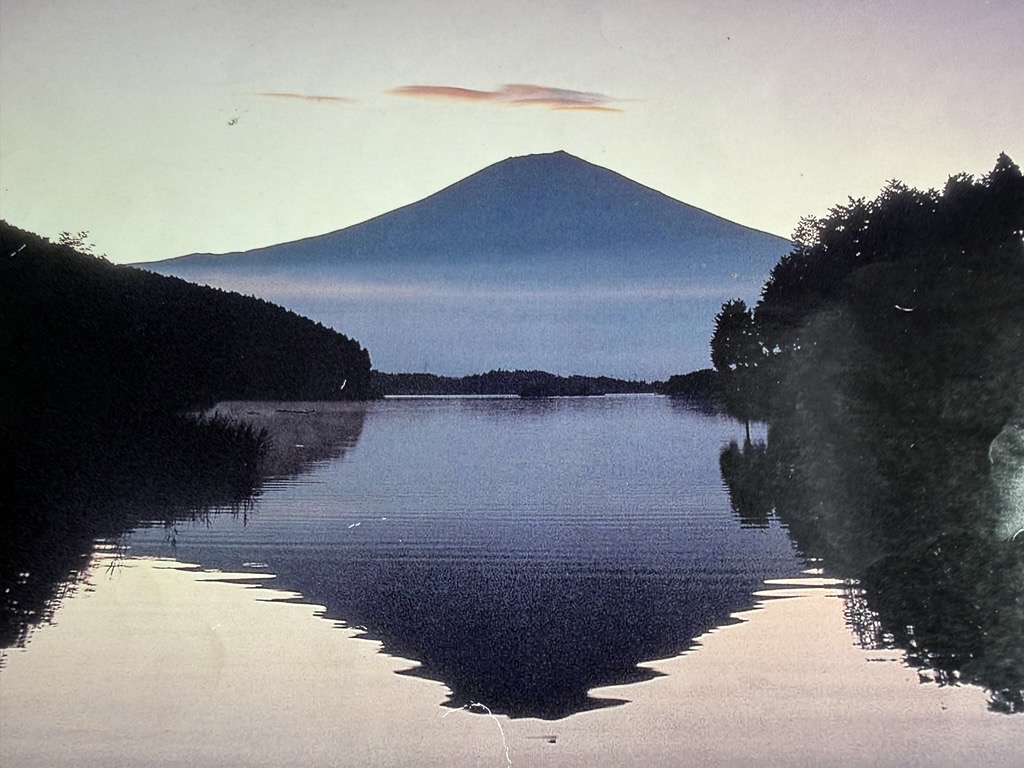
Seems weird that we went halfway up but never saw it
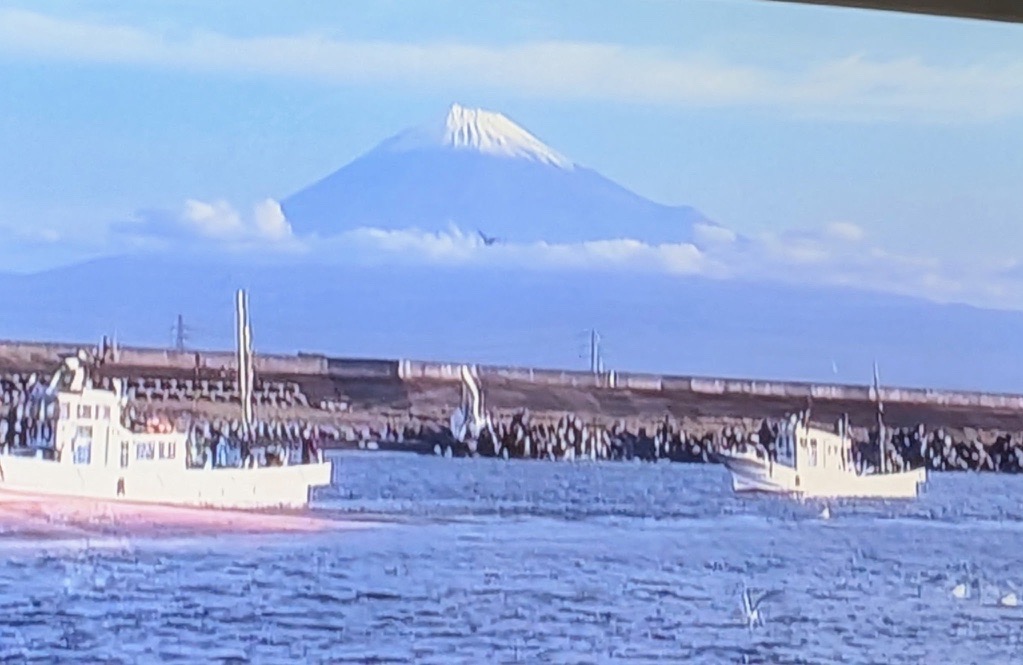
The peak is visible from Tokyo on clear days. On the ground, the volcano is surrounded by the famous Fuji Five Lakes region
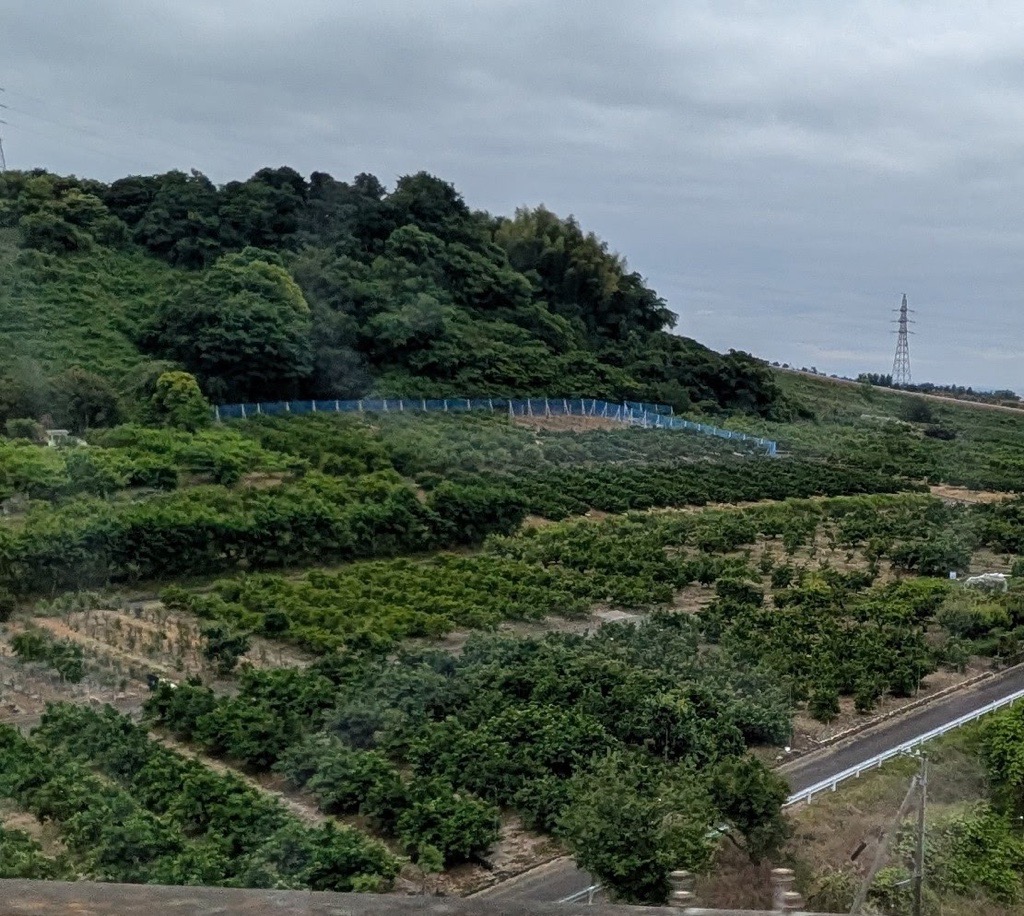
Tea plantation. They say the pure mountain water flowing down into the valleys from Mt. Fuji makes for wonderful tea (and rice for sake)

This is what wasabi is made of. 90% of the wasabi (Japanese horseradish) in Japan comes from near Mt. Fuji